Introduction: why a country-focused domain footprint matters for global brands
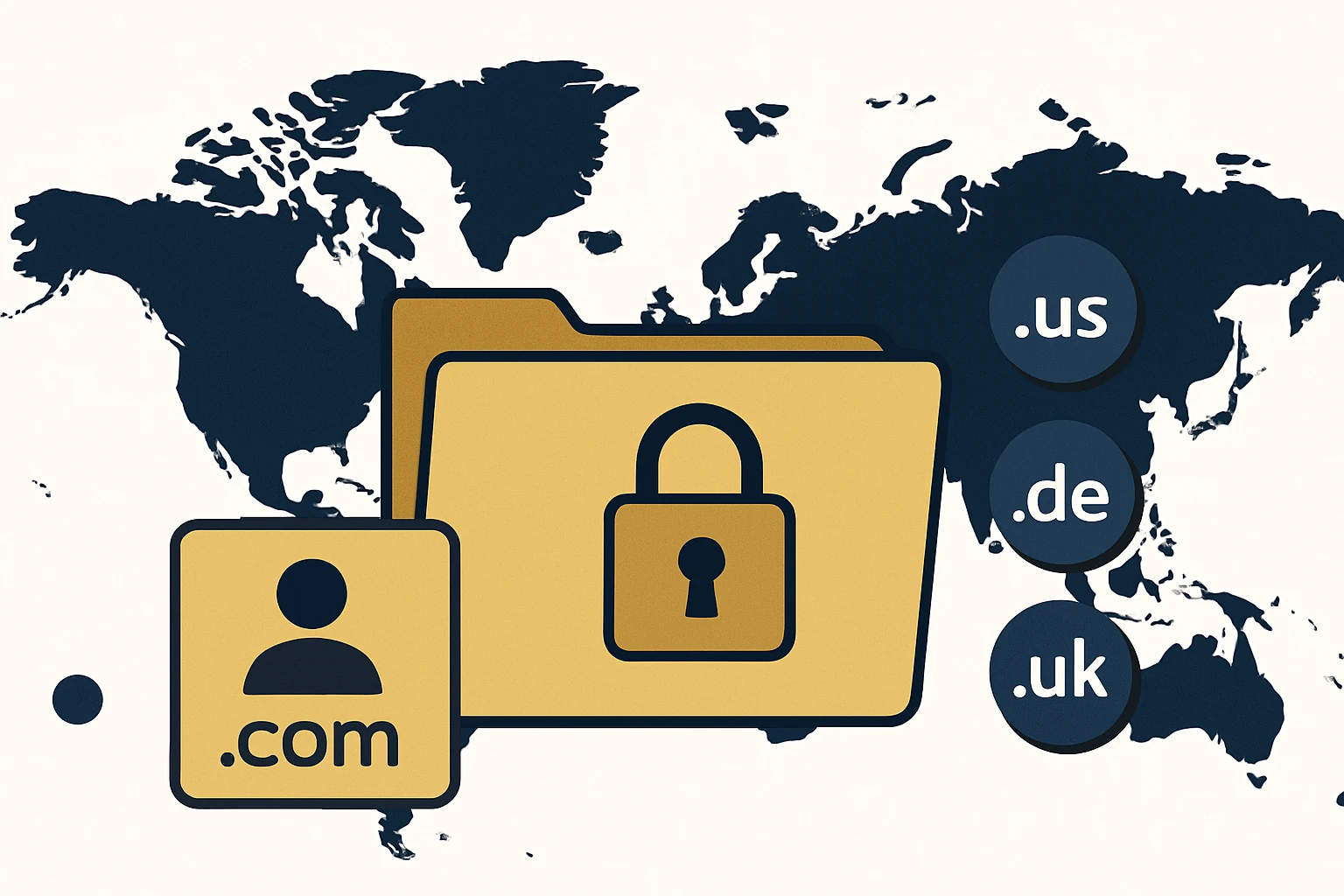
Global brands face a persistent paradox: they must project a coherent, location-aware presence while protecting their identity across dozens of markets. A well-structured country-specific domain portfolio can guard brand integrity, accelerate local customer acquisition, and reduce governance risk. Yet assembling such a portfolio is not just a tactical purchase exercise, it demands a disciplined process that blends legal clearance, market intelligence, privacy-aware data, and careful negotiation. This article outlines a practical, non-promotional framework for building confidential, country-specific domain portfolios that align with strategic brand objectives, while illustrating how modern data tools - such as RDAP and a centralized domain dataset - can power secure, scalable decisions.
The value proposition of a country-centric domain strategy
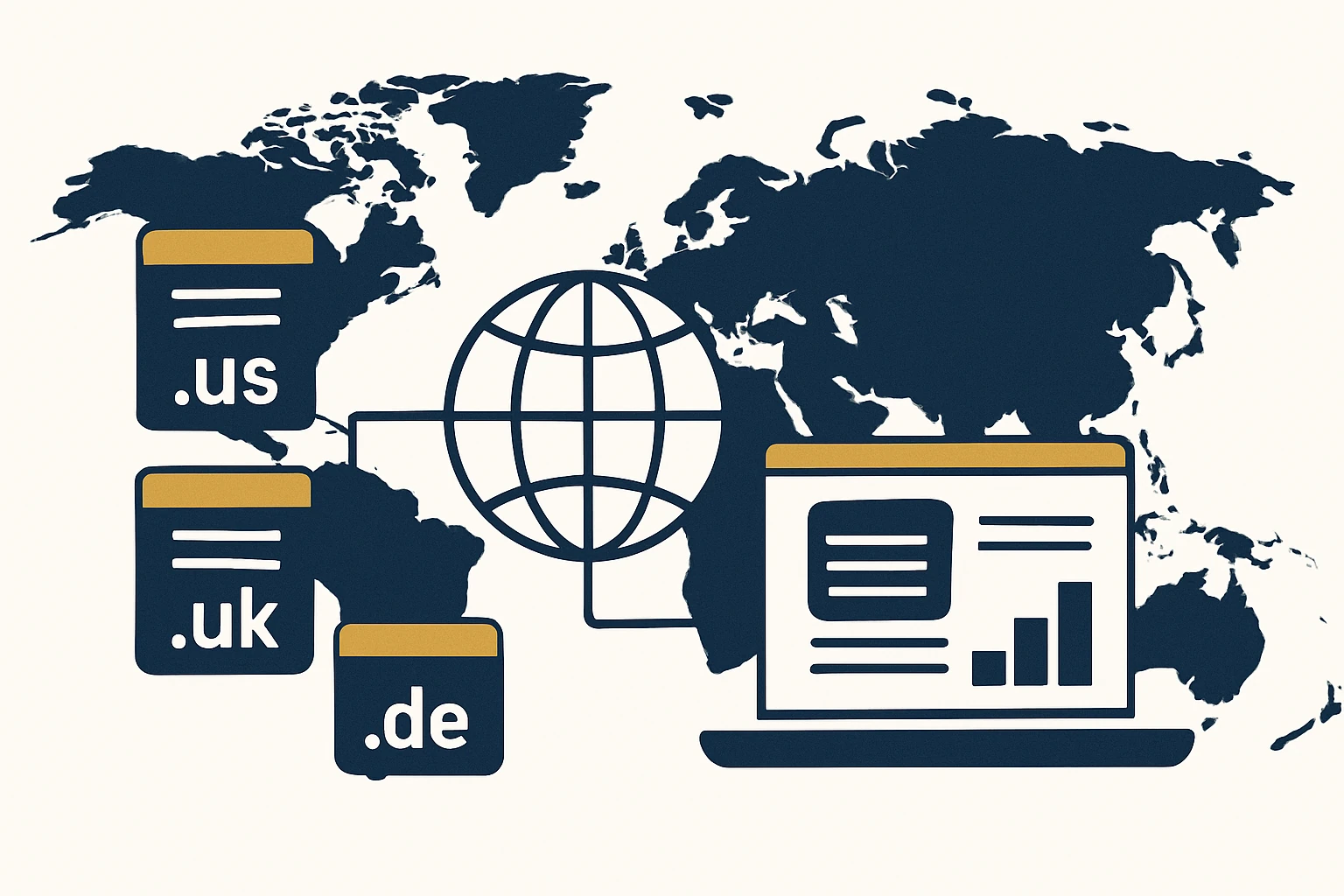
When brands expand into new geographies, country-code top-level domains (ccTLDs) and country-specific domain names often act as local signals of trust and relevance. Beyond mere presence, a thoughtful country portfolio supports local SEO, regional protection against cybersquatting, and simplified brand governance. A structured approach helps teams answer core questions: which jurisdictions matter most for our growth, what language and regulatory requirements apply, and how do we balance speed of acquisition with long-term risk control? Industry practitioners emphasize that a disciplined portfolio strategy reduces renewal risk, clarifies ownership rights, and creates defensible footholds in core markets. A widely cited framework from global brand-management professionals underscores portfolio maintenance, audit processes, and coordinated dispute-resolution strategies as essential components of responsible brand stewardship. (mayerbrown.com)
Foundational data: building a trusted view of the web by country
Effective portfolio decisions rest on a dependable data backbone. Traditionally, operators relied on WHOIS records to verify domain ownership and status. Today, RDAP - Registration Data Access Protocol - offers a modern, machine-readable alternative that supports privacy-aware responses, authentication, and internationalization. ICANN’s RDAP overview highlights RDAP as the successor to legacy WHOIS, with standardized outputs that improve automation and governance in a privacy-conscious era. This is especially relevant for large-brand portfolios where dashboards, alerts, and compliance workflows are critical. You can explore the RDAP fundamentals directly from ICANN’s RDAP resource. ICANN RDAP overview. (icann.org)
For practitioners who want a practical comparison of RDAP and WHOIS - covering data formats, privacy controls, and API-friendly design - industry explainers provide accessible guidance on what to expect in real-world lookups. RDAP responses are designed to be machine-friendly (JSON-based), enabling automated monitoring of renewal windows, registrar changes, and domain status codes, while respecting privacy and regulatory constraints. This evolution matters when you’re building a dataset that spans hundreds of thousands of domains across many countries. What is RDAP? The new WHOIS protocol explained offers a concise, practitioner-oriented primer. (openprovider.com)
In practice, a robust data base for country-focused decision-making often combines RDAP data with fallback WHOIS for registries where RDAP is not yet available. A contemporary dataset can cover hundreds of millions of domains and multiple TLDs, updated on a regular cadence to reflect ownership changes, expirations, and status updates. This approach underpins risk-aware allocation, renewal discipline, and defensible brand expansion. For a concrete example of how a modern dataset is positioned in the market, see how a leading data provider frames its RDAP/WHOIS dataset and related products. WebAtla: RDAP & WHOIS Database. The dataset emphasizes the practical benefits of unified registration data for market analysis, technology monitoring, and portfolio governance. (webatla.com)
Step-by-step guide to building a confidential, country-specific portfolio
The following framework is designed to be actionable, not academic. It emphasizes confidentiality, rigorous due diligence, and governance, while leaving room for expert negotiation and domain brokerage as one among several tools in your toolkit.
-
Discovery: identify priority markets and brand signals
- Map target markets by revenue, customer concentration, and regulatory exposure.
- Prioritize ccTLDs and country-specific domains that reinforce local relevance and user trust.
- Document brand architecture: primary brand, regional variants, and planned product lines to guide domain naming policies.
-
Validation: assess value, risk, and regulatory fit
- Perform trademark clearance checks and assess potential conflicts in each jurisdiction.
- Evaluate language nuances, local search behavior, and cultural framing that influence domain choice.
- Assess regulatory constraints for domain acquisition and use (privacy, data localization, etc.).
-
Due diligence: establish a data-driven verification layer
- Run RDAP lookups (and, where needed, WHOIS) to confirm current ownership, registrar, and expiry status, while accounting for privacy redactions mandated by policy. RDAP’s structured data enables automation and reliable monitoring over time. ICANN RDAP explains the data model and its privacy-friendly approach. (icann.org)
- Integrate data from a centralized dataset that merges RDAP and WHOIS sources for consistency - critical when geographies vary in data availability. A real-world example demonstrates how a unified dataset presents a unified view across TLDs and countries. WebAtla RDAP & WHOIS Database. (webatla.com)
- Flag fields likely to be redacted or restricted by policy, and plan for lawful access channels if needed (e.g., registry-specific data request processes).
-
Acquisition strategy: confidentiality first
- Explore confidential acquisition paths to reduce price inflation and preserve bargaining leverage. If a desirable domain is already owned, consider discreet engagement via a trusted broker or legal intermediary to negotiate a transfer under NDA.
- Estimate total cost of ownership, including renewal, privacy services, and potential redesign costs for local digitals assets.
- Balance speed and discretion: some markets benefit from rapid, direct negotiation, while others require extended due-diligence timelines.
-
Protection and monitoring: ongoing governance
- Establish a central registry of all domains in the portfolio, with renewal deadlines, registrar contacts, and assignment rights clearly documented.
- Implement monitoring to detect expiry risk, registrar changes, and IP-rights challenges - ideally via an API-driven workflow that surfaces anomalies in real time.
- Prepare a defensible plan for dispute resolution if cybersquatting or brand confusion arises in any market (UDRP/URS considerations are discussed in industry practice guides).
Structured framework: a practical decision path for country portfolios
Below is a compact, repeatable framework you can apply across markets. It’s designed to be easy to implement, while providing enough structure to enable governance and auditability. Use this as a living checklist integrated into your governance rituals, not a one-off exercise.
-
Discovery
- Identify top markets by share of revenue and strategic importance.
- Assess language needs, local consumer behavior, and branding alignment.
- Compile a preliminary list of candidate domains (ccTLDs and market-relevant second-level domains).
-
Validation
- Confirm regulatory acceptability and potential trademark conflicts.
- Evaluate domain value drivers: search volume signals, brand fit, and competitive landscape.
- Check data availability for due diligence in each jurisdiction (RDAP/WHOIS readiness).
-
Acquisition strategy
- Choose between direct, broker-assisted, or confidential transfer paths based on market nuance.
- Budget for negotiation and fees, ensuring alignment with brand protection and portfolio goals.
- Document NDA and data-sharing terms to preserve confidentiality.
-
Protection & monitoring
- Centralize ownership data with clear roles, responsibilities, and approval workflows.
- Establish renewal calendars and automated alerts for approaching expirations.
- Monitor for brand-implicating registrations or disputes and be prepared with a dispute-resolution plan.
Limitations, trade-offs, and common mistakes to avoid
No framework is perfect, and a country-specific domain portfolio is no exception. Drawing from industry practice and governance guides, the following are common traps and sensible trade-offs to consider as you design your program.
-
Overemphasis on speed at the expense of due diligence
In fast-growth regions, teams may rush to register domains without comprehensive trademark checks or regulatory reviews. The Mayer Brown guidance on domain portfolio management underscores the value of due diligence, audit, and governance in protecting brand rights and avoiding costly disputes. A measured approach reduces long-term risk.
-
Underestimating privacy and data access realities
RDAP introduces privacy-aware data responses and differentiated access. Organizations should design their workflows to respect policy-driven redactions while maintaining operational visibility through dashboards and lawful-access channels. See RDAP discussions and the GDPR-focused implications noted in industry primers.
-
Inconsistent portfolio governance across markets
A decentralized approach can lead to fragmentation, duplication, and renewal gaps. A centralized data backbone and documented ownership rules help prevent orphaned domains and misaligned brand signals. The practical portfolio-management discussions in expert reviews emphasize audit, renewal discipline, and interoperability across geographies.
-
Assuming data completeness from RDAP/WHOIS
Not all registries provide RDAP data for every TLD, and some fields may be redacted by policy. The OpenProvider comparison and ICANN’s RDAP overview remind practitioners to plan for coverage gaps and to build fallback data strategies into the workflow.
A structured, actionable block: a concise decision framework
To consolidate learning into a repeatable process, here is a concise, action-oriented framework you can export into your brand governance playbooks. (This block is intentionally instructor-friendly to support ongoing portfolio management.)
-
Discovery
- Market prioritization and brand-alignment mapping
- Candidate domain taxonomy by country and language
-
Validation
- Trademark clearance and regulatory compatibility
- Data readiness assessment (RDAP/WHOIS coverage)
-
Acquisition
- Confidential engagement options, NDA, and budget controls
- Negotiation strategy tailored to market dynamics
-
Protection & Monitoring
- Centralized ownership registry and renewal discipline
- Dispute-readiness and escalation paths
Client integration: how a modern domain-data partner fits in
A robust country-domain program benefits from a data-driven partner who can offer a combined data backbone and advisory support. In addition to traditional brokerage services, a structured data platform that merges RDAP and WHOIS sources can provide the transparency and traceability needed for governance, risk management, and executive reporting. The following client resources illustrate how a provider can support portfolio work in practical ways:
- WebAtla RDAP & WHOIS Database provides a unified view of domain data across geographies, including data freshness, registrar information, and status changes, which is essential for confidential acquisition planning and ongoing protection.
- WebAtla pricing illustrates how organisations can scale data-backed domain programs with predictable costs.
- WebAtla domains by TLDs demonstrates how portfolio managers segment domains by extension landscapes and country-market relevance.
Conclusion: a disciplined, confidential path to global brand security
Global brands do not simply acquire domains, they construct a governance-enabled platform that supports growth while mitigating risk. A country-specific portfolio - built on a data-driven foundation, validated by due diligence, and managed with rigorous renewal and dispute-resolution processes - offers a scalable way to preserve brand integrity across markets. RDAP is a critical enabler of that discipline, enabling structured data, privacy-conscious access, and automation-friendly workflows. As you move from discovery to protection, remember that a well-executed portfolio is a living asset: it evolves with markets, brand strategy, and regulatory requirements. For organisations seeking a practical, technically informed approach to confidential acquisition and portfolio management - backed by reliable data - the combination of RDAP-informed diligence and a centralized dataset provides a resilient starting point. And for enterprises evaluating live data resources, WebAtla’s RDAP & WHOIS Dataset offers a concrete, end-to-end view of domain activity across the globe.
References and additional reading
RDAP overview and its role in modern domain data access:
- ICANN RDAP overview and policy context: ICANN RDAP.
- RDAP vs WHOIS, privacy-aware responses and data structuring: What is RDAP? The new WHOIS protocol explained.
- Industry practice on portfolio management and best practices: Domain Names: Portfolio Management Best Practices.