Introduction: the urgent need for disciplined domain strategy in a global brand
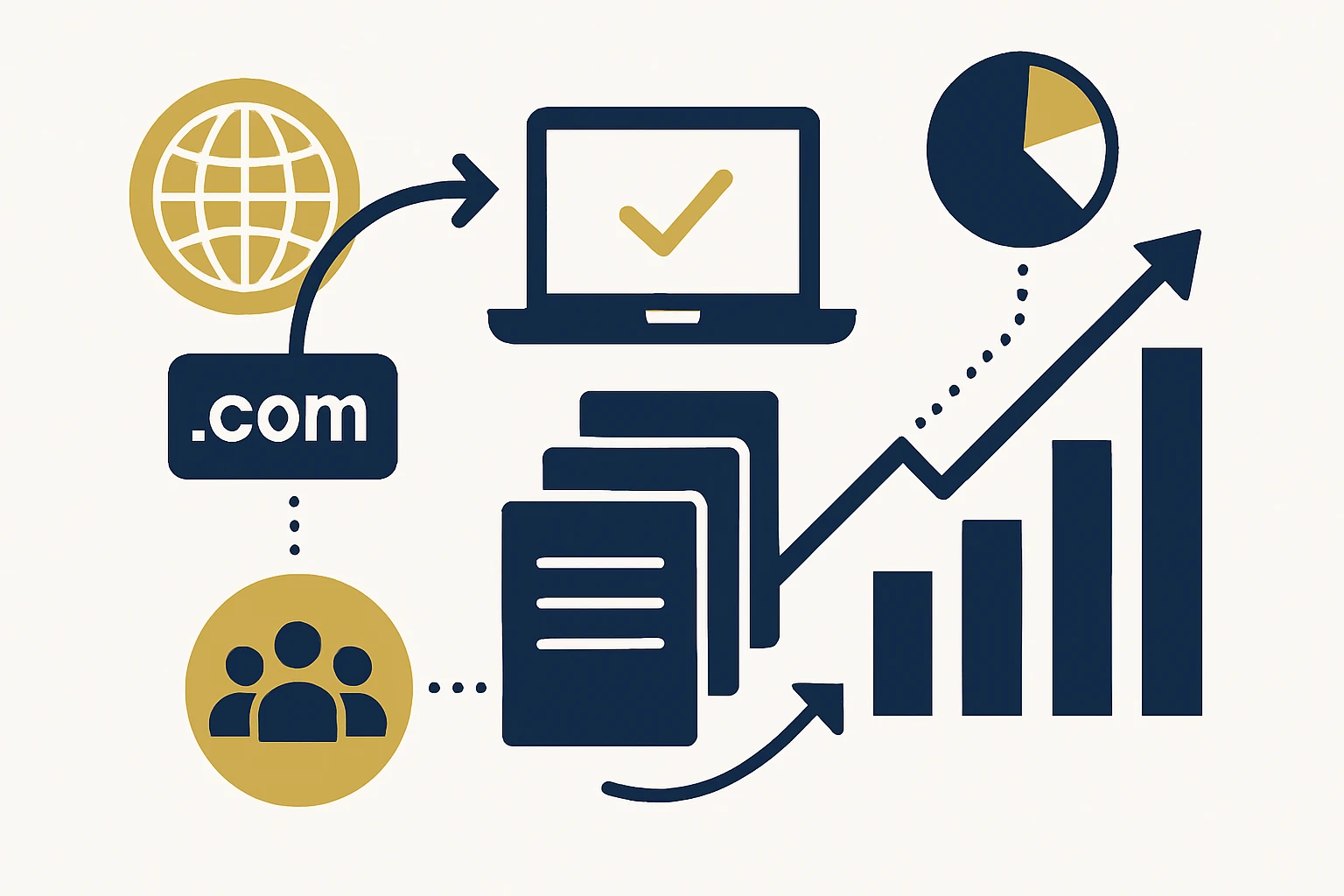
When a brand expands beyond borders, its digital real estate becomes a strategic asset just as critical as packaging, pricing, or partner networks. The right portfolio of domain names can accelerate local market entry, reinforce trust, and - importantly - reduce risk from cybersquatting, brand confusion, and SEO fragmentation. Yet many brands manage domains as a reactive list of registrations rather than as a coordinated asset class tied to strategic objectives. A disciplined framework converts scattered registrations into a high‑confidence portfolio aligned with growth, risk management, and governance goals.
From a legal and governance perspective, domain name disputes remain an existing - yet navigable - risk. The Uniform Domain-Name Dispute Resolution Policy (UDRP) offers a fast, cost‑efficient path to reclaim or constrain infringements across gTLDs, while many ccTLDs (country-code TLDs) maintain dispute mechanisms designed for local contexts. These frameworks matter for portfolio strategy because they define how a brand can protect itself, and at what cost. (icann.org)
A Strategic Framework for Global Domain Portfolios
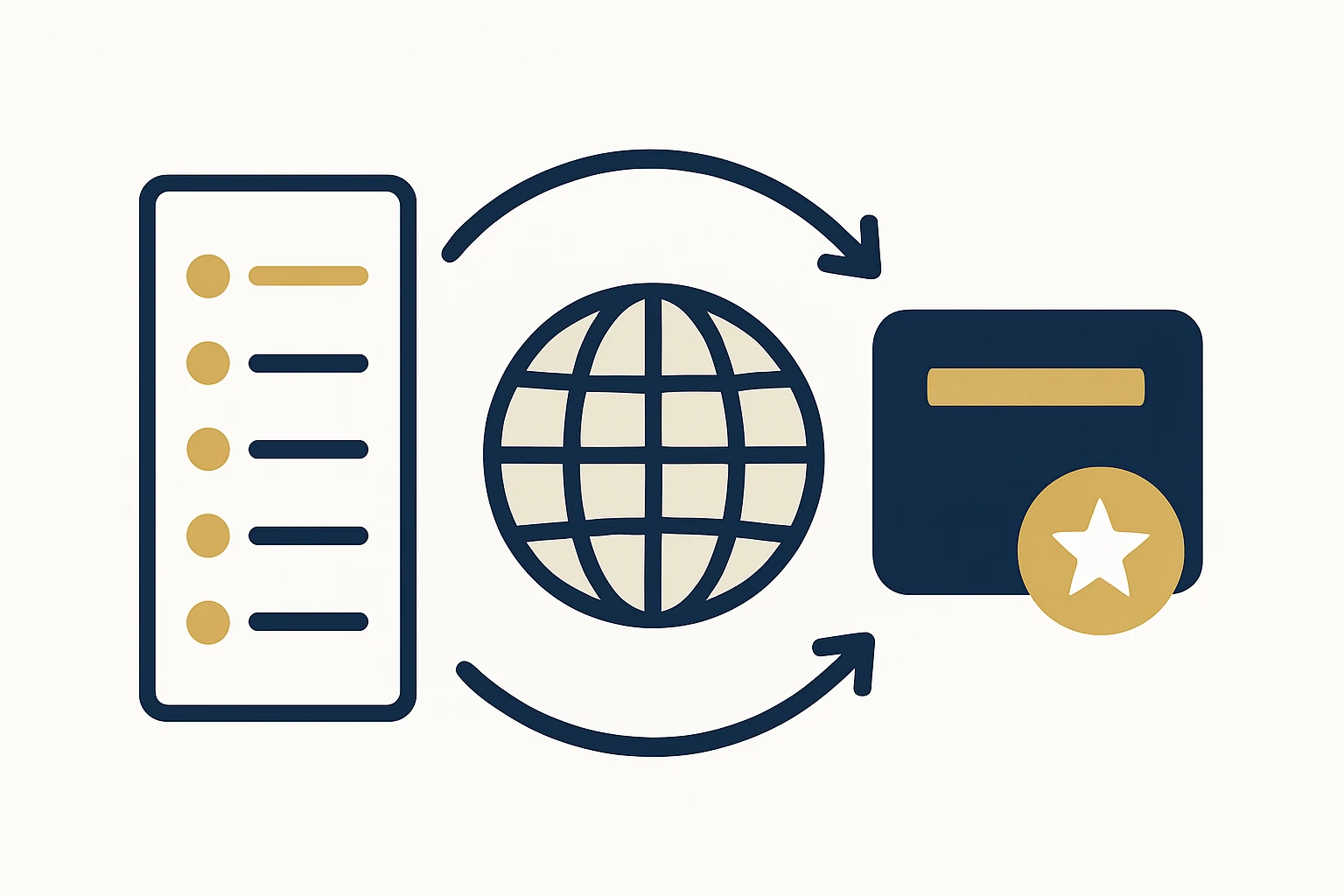
A robust approach to global domain strategy rests on four interconnected pillars. The framework below is designed to be pragmatic for brand teams and nimble enough for confidential negotiations. It also accommodates data-driven research inputs, including public country datasets and enterprise‑grade registry data.
Pillar 1 - Discovery & Inventory
- Consolidate all owned, controlled, and pending domains into a single inventory with asset classification by purpose (brand protection, regional marketing, product launches, SEO hub).
- Map the brand architecture (primary marks, product names, and regional campaigns) to domain names and potential alternatives across relevant ccTLDs and gTLDs.
- Assess renewal cadence, additional protective measures (privacy, DNS security), and cross‑references to trademarks to avoid misalignment with brand rights.
Pillar 2 - Protection & Compliance
- Link domain governance to trademark strategy so that protection correlates with risk exposure in key markets.
- Leverage dispute resolution channels (UDRP for gTLDs, ccTLD processes where applicable) to address infringements efficiently. For context, UDRP procedures are widely used across many registries, and ccTLD dispute mechanisms vary by country - underpinning the need for localized policies in a global portfolio. (icann.org)
- Institute ongoing monitoring to detect potentially confusingly similar names and preemptive takedown or redirection actions before issues escalate.
Pillar 3 - Localization & Expansion
- Use ccTLDs to support geo‑targeted content and brand signals, this can improve user trust and local search performance where relevant markets are distinct. Brand strategies increasingly treat ccTLDs not merely as local domains but as brand signals with strategic meaning in different geographies. (dn.org)
- Balance localization with global coherence - ensure content quality, hreflang mappings, and local regulatory compliance across markets.
- Plan for long‑term diversification rather than chasing quick wins on a handful of domains, a diversified portfolio reduces single‑point risk and supports brand resilience.
Pillar 4 - Transactions & Confidentiality
- Adopt a confidential acquisition process for strategic domains, leveraging experienced brokers to reduce leakage risk and manage sensitivities around pricing and ownership transfer.
- Implement escrow, non‑disclosure agreements, and controlled information sharing to protect both counterparties and the integrity of the deal flow. Industry practice emphasizes discretion and structured deal terms to reduce transaction risk.
- Coordinate with internal legal and trademark teams to ensure post‑acquisition integration (DNS updates, redirects, branding alignment) occurs without disrupting operations.
From Public Data to Action: Using Country Lists as Research Inputs
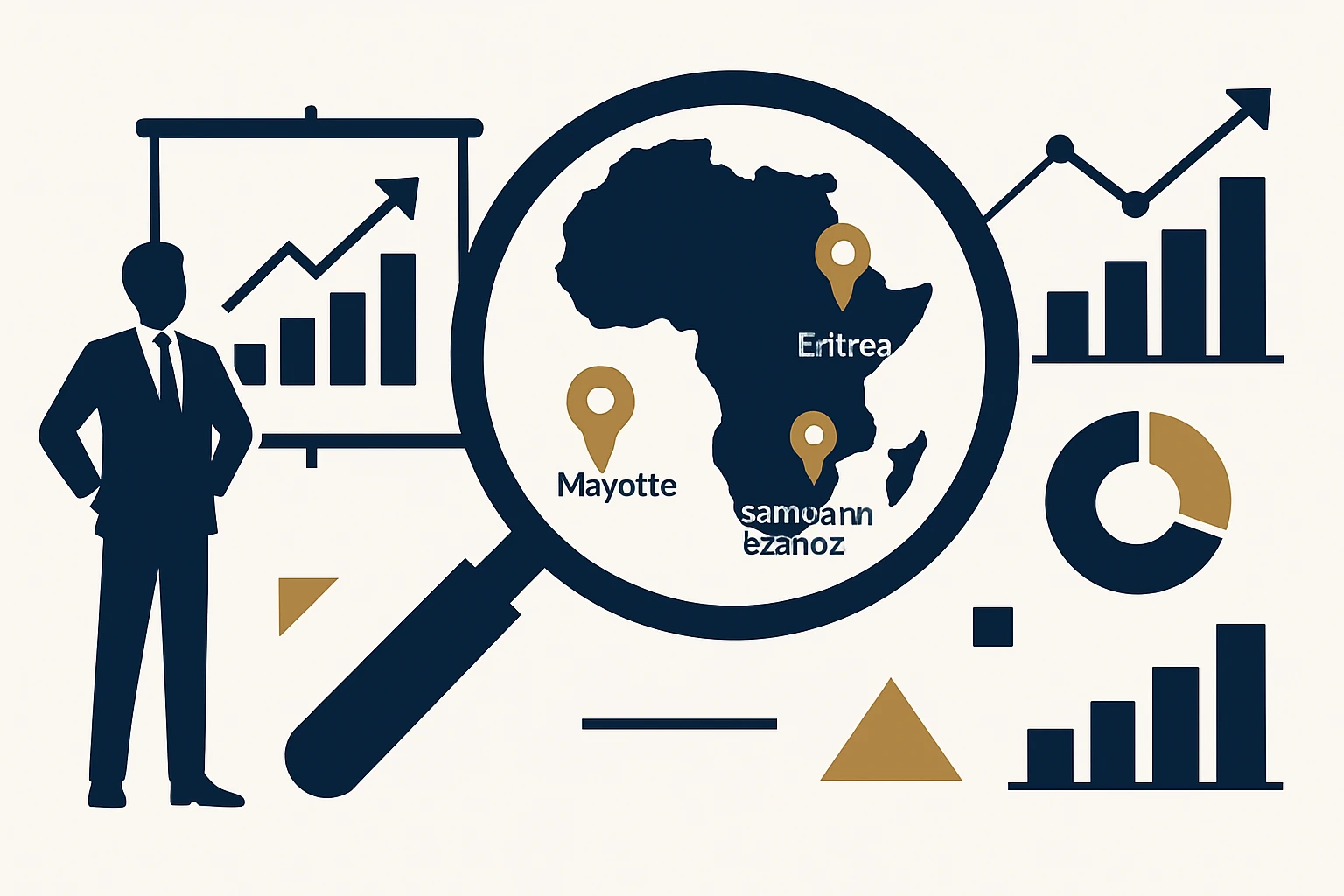
Public datasets - such as country‑level website compilations - can illuminate local digital ecosystems and potential domain opportunities. For example, public search prompts like "Download list of Guadeloupe (GP) websites", "Download list of Greenland (GL) websites", and "Download list of Guam (GU) websites" illustrate the type of localized data brands may analyze when evaluating market readiness, partner ecosystems, or local campaign triggers. Such lists are most valuable when paired with rigorous due diligence, including ownership verification and availability checks, before any outreach or negotiation. They are not substitutes for trademark and ownership research, but they can help prioritize markets for deeper review within a confidential portfolio process.
Beyond public lists, disciplined researchers rely on authoritative registry data and due diligence platforms to ensure accurate ownership, registration status, and transfer mechanics. Practical portfolio management benefits from combining local market awareness with formal due diligence tooling to avoid missteps that could lead to costly disputes or missed opportunities.
For brands seeking reliable data coverage, tools and services that provide RDAP & WHOIS data, and curated domain lists, can be instrumental in supporting a strategic workflow. See webatla’s RDAP & WHOIS database as a practical resource to verify domain ownership and registration history when evaluating potential additions to a portfolio. webatla RDAP & WHOIS database.
Another example of a country‑level data resource is webatla’s country pages, which showcase datasets by country and can help frame regional strategies (for example, the Guadeloupe page). Guadeloupe country dataset.
The Role of ccTLDs in Brand Strategy: Local Signals, Global Reach
Country‑code top‑level domains (ccTLDs) are not merely technical endpoints, they can function as strategic signals that inform branding, trust, and local relevance. In practice, global brands often adopt a multi‑site approach, hosting localized content on country domains while maintaining a global hub on a primary domain. The geo‑targeting value of ccTLDs is well documented in industry analyses, which emphasize how local domains can influence search visibility and consumer perception in distinct markets. (domainnamenet.com)
As brands expand, the governance of these assets must align with local dispute frameworks and regional IP protection regimes. WIPO’s Domain Name Dispute Resolution Service for ccTLDs illustrates how local registries administer safeguards that complement global policies, underscoring the need for a coherent cross‑border governance model in any international portfolio. (wipo.int)
A Practical Playbook: The 4‑Pillar Domain Acquisition Framework
To translate the framework into action, use the following four‑pillar playbook. It’s designed to support confidential, value‑driven acquisitions while maintaining brand discipline across markets.
- Discovery & Inventory: inventory all brand assets, map gaps against regional plans, and identify candidate domains that align with strategy without duplicating existing holdings.
- Protection & Compliance: align domain strategy with trademark protection and established dispute resolution pathways, set up ongoing monitoring and annual governance reviews.
- Localization & Expansion: design a staged ccTLD strategy that balances local trust, SEO impact, and governance overhead, track performance metrics by market.
- Transactions & Confidentiality: engage brokers for sensitive deals, implement escrow and NDAs, and coordinate transfers with legal, IT, and brand teams to minimize disruption.
In practice, the decision to work with a broker for confidential acquisitions is common among premium transactions. Brokers bring discretion, deal structuring expertise, and process rigor that reduce risk for both buyers and sellers. This approach is widely discussed in industry materials and peer insights.
Limitations, Trade‑offs, and Common Mistakes
No framework is perfect, and a disciplined approach requires acknowledging its limits and potential missteps. Common issues include:
- Overreliance on public lists for due diligence without verifying ownership or registration status.
- Underestimating local regulatory and dispute‑resolution complexities in ccTLDs.
- Isolating domain decisions from broader brand and trademark strategy, resulting in misalignment across markets.
- Under‑resourcing governance or failing to establish clear ownership and renewal responsibilities across a large portfolio.
Experts emphasize aligning domain strategy with the broader brand and IP architecture to reduce risk and improve governance. A practical takeaway is to anchor the portfolio in business priorities, then treat each domain as a strategic asset with budget, owner, and performance metrics. This perspective is consistent with industry analyses of domain strategy and governance in global brands.
Conclusion: turning data into durable, defensible value
Global brands increasingly recognize that domain names are not mere decorations but active levers of trust, localization, and performance. A disciplined, four‑pillar playbook - Discovery, Protection, Localization, and Confidential Transactions - transforms a haphazard collection of registrations into a defensible, scalable asset class. By combining publicly available data inputs with rigorous due diligence and governance, brands can pursue growth with improved certainty. For teams seeking practical data and verification tools, webatla’s RDAP/WHS database and country‑level datasets provide concrete resources to support informed decision‑making as you assemble or refine a global domain portfolio.
Expert insight: a senior IP strategist will tell you that treating your domain portfolio as a strategic asset - governed, budgeted, and audited annually - delivers clearer accountability, better risk management, and more predictable outcomes across markets.
Equally, understanding the dispute landscape remains essential. UDRP and ccTLD dispute mechanisms offer practical pathways to protect and rectify domain assets when needed, underscoring the importance of a disciplined framework rather than ad hoc action. (icann.org)
For brands seeking end‑to‑end capabilities, webatla’s portfolio and data services can be one component of a broader strategy that pairs market insight with rigorous governance. Explore the client resources here: webatla RDAP & WHOIS database and Guadeloupe country dataset.