Brand owners and digital asset managers face a widening universe of domain extensions. The traditional focus on "+.com" is no longer sufficient for global reach, local relevance, or brand protection. Today’s decision isn’t just about discovery - it’s about aligning an extension with audience intent, geographic strategy, and risk tolerance while keeping a flexible, scalable portfolio. This guide helps translate the breadth of the "list of available domain extensions" into a clear, actionable plan for selecting the right TLDs across markets, products, and campaigns. It also points to practical resources from WebAtla to explore and manage this landscape, and frames the decision with a framework you can apply to real-world branding and acquisition projects.
Understanding the TLD Landscape: What Exists and Why It Matters
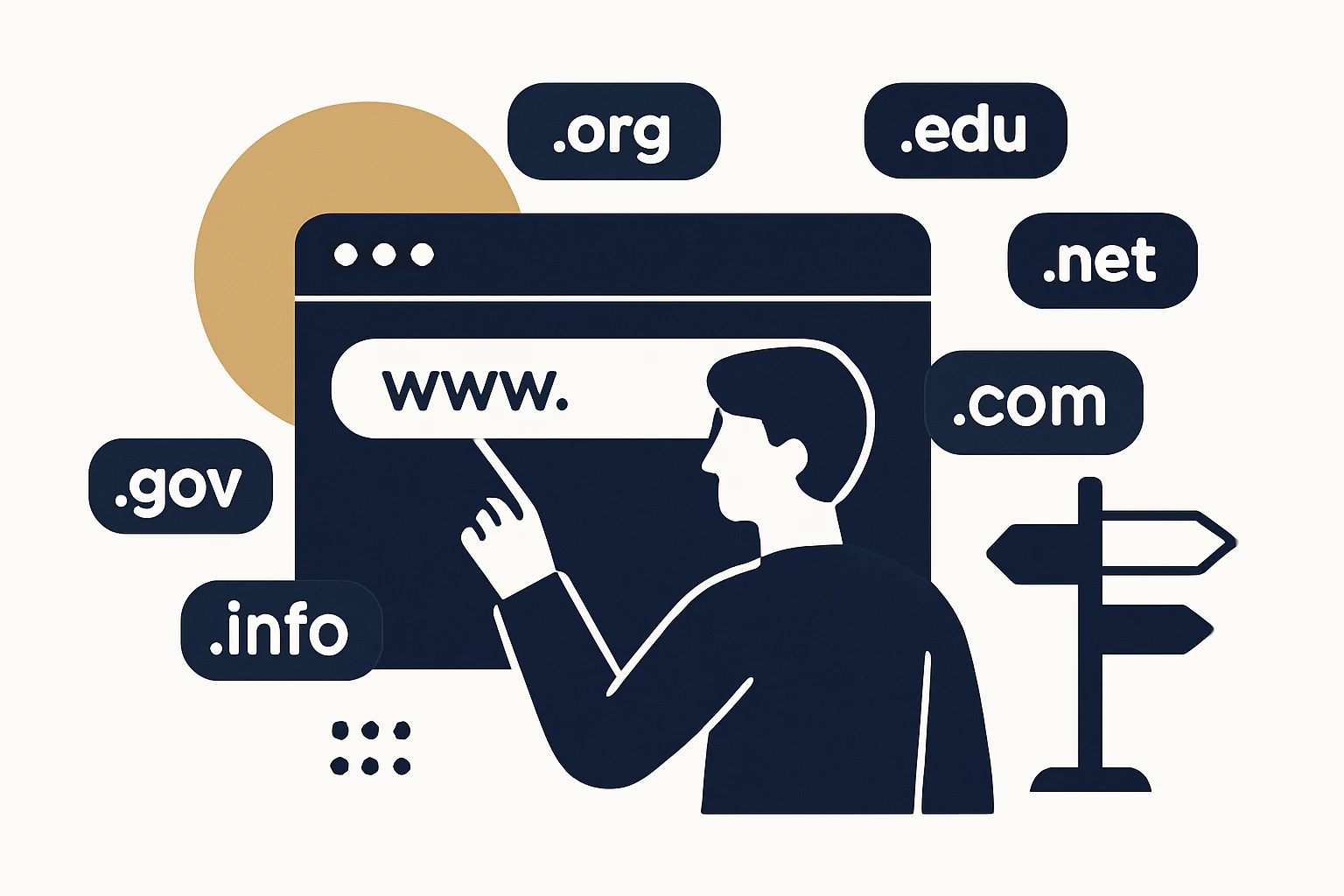
The domain namespace expands through several major categories of Top-Level Domains (TLDs): generic TLDs (gTLDs), country-code TLDs (ccTLDs), and brand TLDs. The expansion, driven by a formal program overseen by ICANN, aims to increase competition, choice, and innovation in the DNS. The underlying goal is not to force a particular extension, but to offer options that better reflect a brand’s geographic footprint, product lines, or corporate identity. For context, ICANN’s New gTLD Program explains how new generic extensions entered the market to broaden the namespace, while Verisign continues to operate the core registry services for the leading gTLDs such as .com and .net. This landscape creates a practical imperative: select extensions that improve user experience and brand perception without compromising risk management or portfolio simplicity. (newgtldprogram.icann.org)
In practice, this means recognizing that:
- gTLDs (like .com, .org, or newer ones such as .shop or .tech) provide global scalability and recognizable branding, but may require careful risk assessment and investment. Verisign notes the enduring centrality of .com and .net in the registry ecosystem, highlighting the stability many brands rely on when building digital strategies around a familiar namespace. (verisign.com)
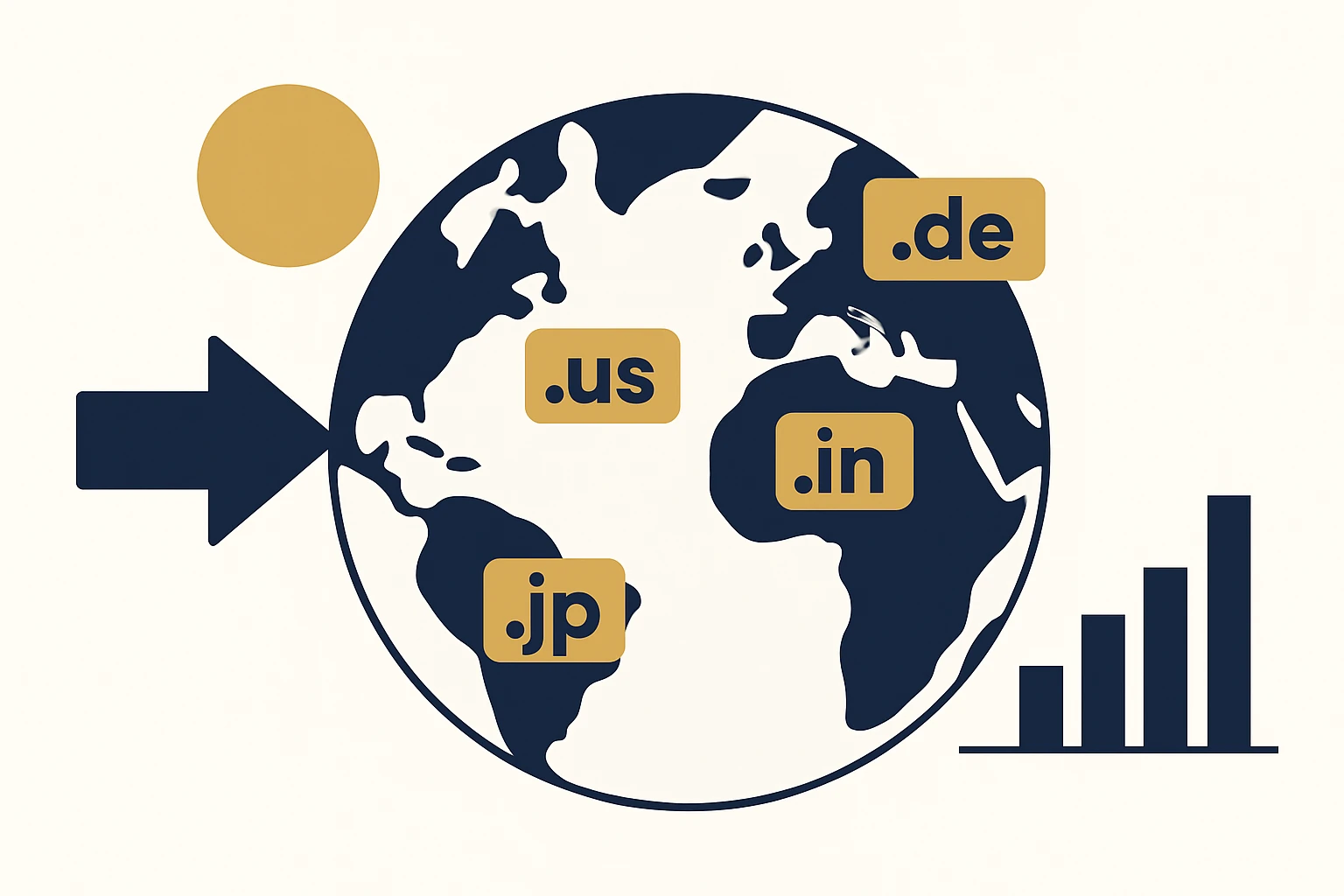
- ccTLDs (like .us, .de, .uk) can signal local relevance and trust in specific markets, but should be evaluated in the context of hreflang, content localization, and regional search intent. Industry coverage suggests that local signals can be meaningful, but the SEO impact should be weighed against branding goals and resource allocation. For international considerations, reputable SEO outlets note that generic TLDs are treated equally in rankings, while ccTLDs offer location signals that may support geo-targeting. (searchengineland.com)
- Brand TLDs (corporate-owned extensions like .google or .apple) exist and are part of the broader New gTLD program’s potential for brand identity and trademark strategy. ICANN’s program outlines how an expanded set of gTLDs supports branding experiments and strategic alignment, which some large brands have adopted to reinforce identity and protection. (newgtlds.icann.org)
For teams evaluating the practical path forward, it’s not enough to know that these categories exist. You need a process to compare extensions against real business goals, portfolio constraints, and risk requirements. The WebAtla directory, which lists domains by TLDs and by country, can be a valuable operational resource as you prototype and refine a global domain strategy. Explore their List of domains by TLDs to understand availability across categories, and consider how a broader TLD portfolio might map to your target markets. The same provider’s country-based listings can also help you anticipate regional naming opportunities and compliance considerations. List of domains by Countries
A Practical Decision Framework for Selecting an Extension
To translate the broad TLD landscape into actionable steps, use a structured framework that balances branding, risk, and operational practicality. The framework below is designed to be used by brand owners, portfolio managers, and deal teams during early discovery, vendor selection, and ongoing governance. It blends strategic reasoning with concrete checks you can apply to a shortlist of extensions. A primary goal is to ensure the chosen TLDs align with brand strategy while keeping your portfolio manageable and auditable. For context on the policy side of expansion and the rationale for broader TLD availability, ICANN provides a concise overview of the New gTLD Program and its intended outcomes. (newgtldprogram.icann.org)
| Decision Criterion | What to Look For | Typical Outcome |
|---|---|---|
| Brand Alignment | Does the extension reinforce the brand’s identity and values? Is it easy to pronounce, spell, and remember? | Stronger recall in key markets, fewer mis-registrations or mis-reads by consumers. |
| Geographic Focus | Are you targeting specific countries or regions? Do you need local signals or a truly global presence? | ccTLDs for local markets, gTLDs for cross-border campaigns or global product lines. |
| Availability & Cost | Is the desired domain name available in the extension? What are the annual renewal costs and potential trademark constraints? | Balanced portfolio with attainable registrations and predictable budgeting. |
| Risk Management | What are the exposure risks (cybersquatting, brand confusion, knock-on effects of trademark disputes)? | Proactive brand protection plan and a phased acquisition schedule. |
| Search & UX Implications | Will the extension support user expectations, localization, or trust signals in target markets? | Improved click-through and relevance in key geographies, with a clear user journey. |
| Governance & Operations | Who will own and manage the portfolio? What are renewal policies, registrar relationships, and DNS security requirements? | Clear accountability and stronger governance over the lifecycle of each domain. |
| Strategic Longevity | Does the extension fit long-term strategy or is it a phishing exercise in branding novelty? | Long-term value with future expansion or consolidation options. |
Expert insight: In practice, the most successful domain strategies treat TLD selection as a branding decision first and a technical one second. While search engines have largely equal treatment of gTLDs, the perceived credibility of an extension can influence user trust and click-through rates. This perspective aligns with industry analyses that emphasize branding, user experience, and governance over chasing SEO signals tied to a particular TLD. For a synthesis of these points and a tighter SEO perspective, see Search Engine Land’s coverage on domain extensions and SEO. (searchengineland.com)
How to Apply the Framework: A Step-by-Step Example
Let’s walk through a hypothetical but realistic scenario: a consumer-electronics brand planning to launch new product lines in the United States, parts of Europe, and emerging markets in Southeast Asia. The team wants a portfolio that balances national market signals with global brand consistency.
- Discovery: List potential extensions that reflect product lines (for example, a global product line might leverage .shop or .tech), and note ccTLDs for priority markets (e.g., .us, .de, .uk, .sg).
- Shortlisting: Cross off extensions with legal or trademark risks or with low domain-name availability for primary products.
- Evaluation: Assess each candidate against the decision framework, assign scoring on brand fit, geographic signal, and cost risk.
- Portfolio Design: Map a multi-year plan: core global extensions, regional dominants, and a reserve list for future acquisitions. Use WebAtla’s directory to see real-time availability and to compare across TLDs (https://webatla.com/tld/). For regional opportunities, consult their country-based listings: https://webatla.com/countries/.
- Acquisition & Protection: Initiate confidential negotiations for high-priority extensions, while setting up a governance process for renewals and brand-protection tools. If you need an authorized view of domain availability and pricing, start with the publisher’s resources to estimate costs and scope.
As part of the practical workflow, you may also want to review pricing and service options. WebAtla provides pricing and related services that can help calibrate a purchase plan within your budget. See their pricing page for details: WebAtla pricing. For a broader view of tooling and data surrounding domain names, their RDAP & WHOIS database can support your due diligence and portfolio governance: WebAtla RDAP &, WHOIS database.
Practical Use Cases: When to Prefer Different TLD Types
Different business objectives map naturally to different TLD categories. Here are representative scenarios where a targeted TLD approach tends to pay off:
- Global product launches: A global product brand might anchor on a recognizable gTLD like .com while rapidly testing country-specific extensions for markets with distinct legal or consumer behavior patterns (e.g., .de for Germany, .jp for Japan). The goal is broad reach with localized trust signals where needed.
- Regional market leadership: A company prioritizing a handful of markets could benefit from ccTLDs to strengthen local relevance and search signals. This approach works well when coupled with localized content and hreflang optimization.
- Brand protection or identity play: A corporate identity strategy may justify brand TLDs that reinforce a unique product line or corporate branding, these require robust brand governance and dedicated legal clearance processes.
- Portfolio diversification: A staged approach - start with a core, add regional or product-focused extensions later - helps manage cost and governance while keeping options open for future expansion.
Limitations, Trade-offs, and Common Mistakes
Anyone building a TLD strategy must understand limits and avoid common missteps that erode value or complicate operations. Two critical points deserve emphasis:
- SEO signals and TLDs: Although search engines do not assign direct SEO advantages to one TLD over another, user perception and trust can influence engagement metrics that impact performance. The consensus among leading industry outlets is that TLD choice should not be driven by SEO myths, instead, prioritize branding, location targeting, and site architecture. See reports noting that Google treats gTLDs equally for rankings, with ccTLDs serving as local signals when appropriate. Domain Extensions and SEO. (searchengineland.com)
- Over-portfolioing and governance risk: Sprawling across dozens of extensions without disciplined governance creates legal exposure, renewal costs, and DNS management complexity. Start with a lean core, implement a clear ownership model, and strike a principled policy for deprecation or consolidation as markets evolve. ICANN’s policy framework around the New gTLD Program emphasizes policy-driven expansion, but practical success comes from disciplined execution and risk-aware planning. (newgtldprogram.icann.org)
Operational Considerations: Governance, Security, and Data
Beyond branding and market fit, operational discipline matters. A well-governed portfolio requires clear ownership assignments, renewal calendars, registrar relationships, and DNS security controls. The registry ecosystem must be monitored for changes in policy, pricing, and availability. Verisign’s domain name ecosystem resources provide practical insight into how TLDs are managed at scale, including the nuances of zone files and registration status for core extensions like .com and .net. This knowledge helps teams plan long-term investments with confidence. Zone File Information. (verisign.com)
Conclusion: A Thoughtful Path Through All Top-Level Domains
Organizations that succeed in leveraging the full spectrum of available domain extensions do so by prioritizing strategic alignment over novelty, and by applying a disciplined, data-informed process to portfolio growth. The New gTLD program and the broader expansion of the domain namespace offer opportunities for branding, localization, and protection, but only if you couple them with rigorous governance and practical budgeting. For teams seeking an editorially sound, testable approach to exploring all TLDs, leveraging a trusted directory like WebAtla’s TLD listings can help illuminate availability and cost across categories. This method keeps you focused on tangible business outcomes: stronger brand signals, clearer local relevance, and a more resilient digital asset strategy that scales with your growth ambitions.
For readers who want to map out a live exploration plan, the following resources offer foundational context and practical data: ICANN’s New gTLD Program overview, Verisign’s registry insights, and independent SEO guidance on how TLDs relate to rankings. ICANN: New gTLD Program • Verisign: Registry Overview • Search Engine Land: Domain Extensions and SEO.
Whether you’re negotiating confidential domain acquisitions, building a long-term domain portfolio, or seeking a strategic advisory on digital assets, the TLD decision should be driven by business outcomes and brand protection requirements. For hands-on exploration of available options, consider starting with WebAtla’s comprehensive directories: List of domains by TLDs and Pricing to benchmark costs. If due diligence and governance are priorities, their RDAP &, WHOIS database can provide critical data assets to inform strategy.