As brands expand globally, the choice of domain extensions becomes a strategic asset, not just an afterthought. The expansion of the domain namespace through ICANN’s new generic top‑level domains (gTLDs) has created a vast universe of possibilities - the so‑called gtld list - that can help strengthen brand trust, improve local relevance, and support digital strategy. Yet for most organizations, the breadth of options can be overwhelming, and missteps are costly. This article offers a practical framework to map the full domain extensions list, weigh trade‑offs, and build a sustainable domain portfolio that supports long‑term business goals. For teams evaluating all domain extensions, a structured approach reduces risk while unlocking opportunities across markets. ICANN describes the New gTLD Program as a mechanism to increase competition and choice in the domain name space.
What is the gtld list and why it matters for brands
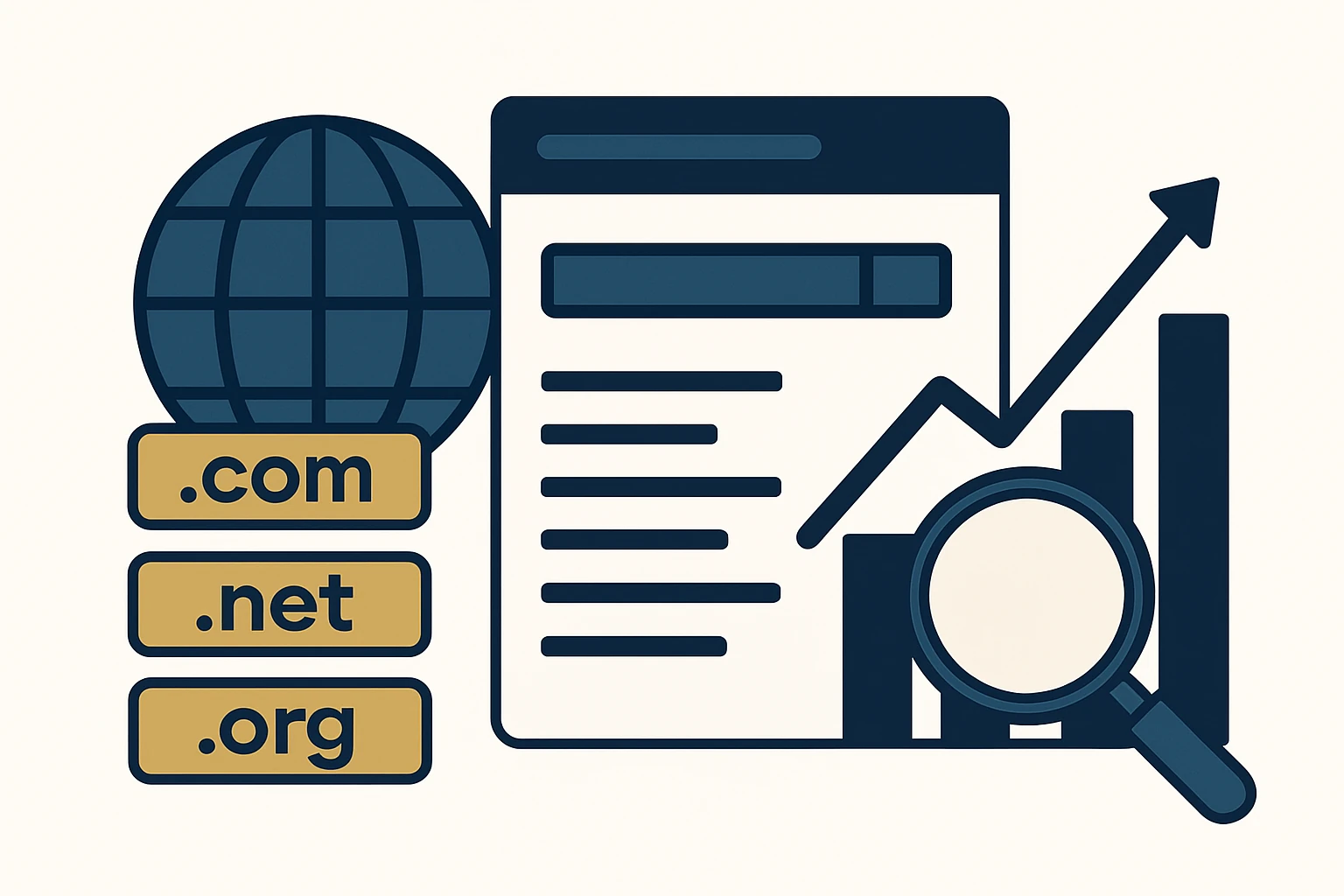
A gTLD is the top‑level domain that appears after the final dot in a URL, such as .com, .org, .net, or newer strings like .shop or .tech. The domain space has evolved through ICANN’s New gTLD Program, which introduced hundreds of additional extensions beyond the legacy trio. This expansion has practical implications for brand visibility, user trust, and digital risk management. Understanding the gtld list helps brand teams decide which extensions to own, defensively register, or strategically monitor as part of a broader digital asset strategy. For context on how and why these changes occurred, see ICANN’s overview of the New gTLD program and its historical development. ICANN New gTLDs, History of the New gTLD Program.
Framework: a four‑step approach to evaluating domain extensions
To translate the gtld list into a practical action plan, use the following four‑step framework. It is designed to be adaptable to large multinational brands and smaller tech startups alike, balancing editorial rigor with business pragmatism.
| Step | Focus | Decision Criteria | Example Actions |
|---|---|---|---|
| 1 - Align with Brand Strategy | Brand intent, markets, and language strategy | Which extensions reinforce brand positioning? Do we need IDN/intlized strings for local markets? | Map target geographies and languages, identify extensions that signal localization or brand ownership (e.g., brand TLDs if mature enough). |
| 2 - Assess Risk and Trust | Brand protection, security, and user trust | What levels of risk arise from each extension (phishing, typosquatting, impersonation)? Is TMCH registration feasible? | Prioritize defensive registrations for high‑risk strings, consider brand TLDs for authenticity in key markets. |
| 3 - Evaluate Availability and Cost | Registration, renewal, and aftermarket considerations | Are domains under key extensions available at reasonable cost? What is total cost of ownership over 5–10 years? | Create a staged plan: own core extensions now, defer niche extensions until value is clear, model renewals and contingencies. |
| 4 - Governance and Lifecycle | Portfolio management and ongoing risk control | Who owns the portfolio? What processes monitor expiration risk, brand protection alerts, and regulatory changes? | Establish a lifecycle policy, renewal calendars, and periodic portfolio reviews, integrate with legal and security teams. |
Expert insight: seasoned brand guardians emphasize that a balanced approach - combining a strong core (e.g., primary domain + a handful of defensively registered extensions) with selective expansion into targeted gTLDs - often yields the best risk-to-reward trade‑off. The strategic takeaway is that you don’t need to own every extension, but you should control the ones that meaningfully reduce brand risk and improve market relevance. For more on how brands plan around new gTLDs, see ICANN’s program overview and related resources.
Practical use cases: how to apply the gtld list in real‑world contexts
Below are three representative scenarios that illustrate practical paths brands take when navigating the domain extension landscape. Each case highlights decision criteria, typical trade‑offs, and concrete steps that teams can adopt or adapt.
Use case 1 - Global consumer brand expanding to multiple regions
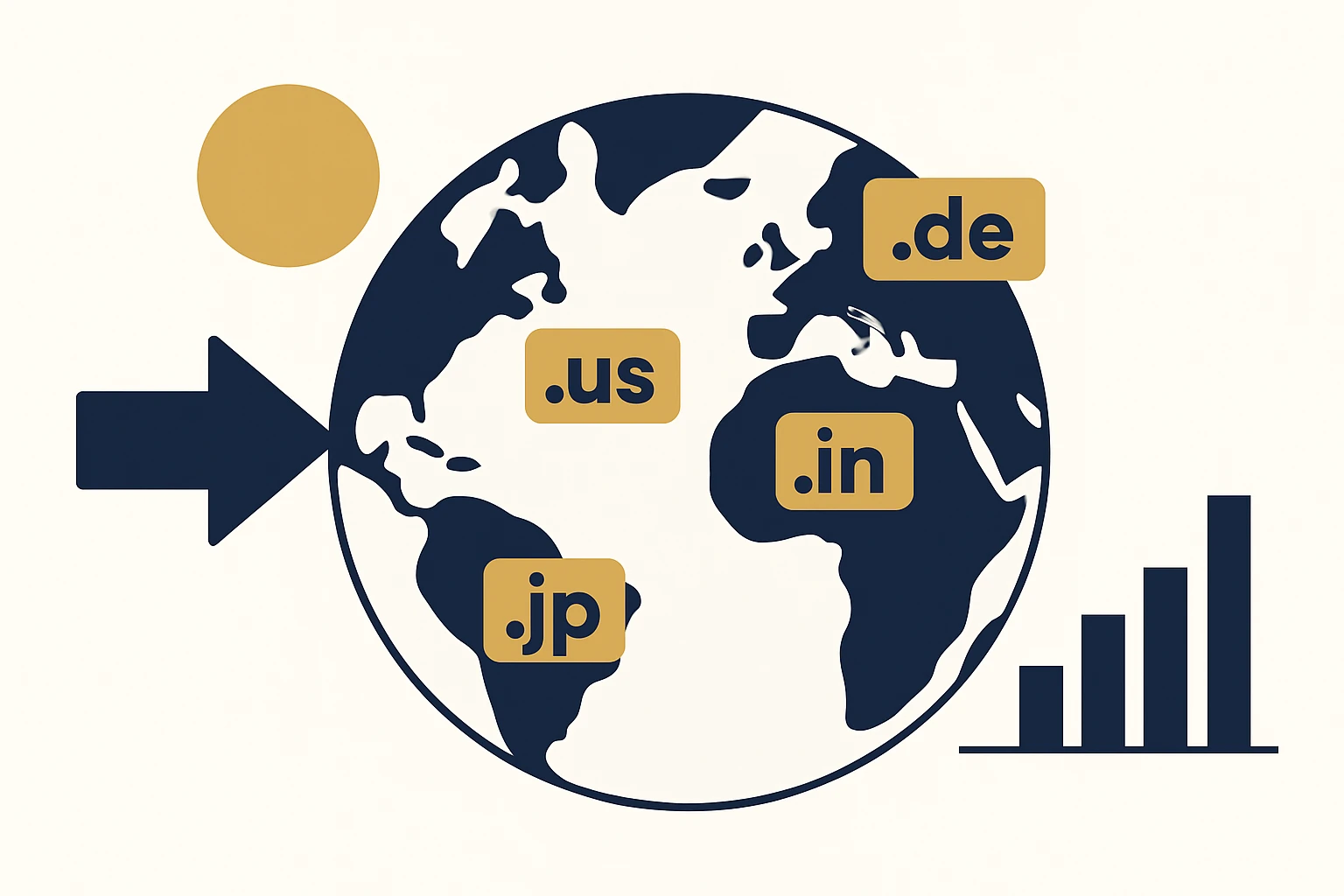
A multinational consumer brand facing expansion needs a strategy that balances global consistency with local relevance. Relying solely on a single extension like .com can limit regional trust signals, while registering every new gTLD is cost‑prohibitive and risky to maintain. A pragmatic plan combines core ownership with regionally meaningful extensions (for example, country code TLDs where allowed) and a selective set of generic extensions tied to brand attributes (such as .store for eCommerce, .shop for product landing pages, or a brand‑specific gTLD if warranted). The goal is to improve local discovery and trust while avoiding fragmentation in brand governance. In practice, teams often begin with a defensible core portfolio and test additional extensions against measurable outcomes such as click‑through rates, conversion, and phishing risk indicators.
Use case 2 - B2B technology provider contemplating a brand TLD
For a B2B technology provider, a brand TLD can serve as a strong trust cue and a focal point for partner ecosystems. The decision hinges on readiness to invest in ongoing governance, risk management, and user experience across the brand’s digital properties. Brand TLDs require careful TMCH alignment, clear policy for subdomain registrations, and a governance model that ensures consistent branding across product pages, pricing, and support portals. A phased approach - pilot with a few test campaigns, then scale - helps minimize disruption while preserving brand integrity. While brand TLDs can offer prestige and stronger site authentication, they also create maintenance overhead, so a concrete business case with security and user‑experience metrics is essential. Brand protection considerations and brand TLD guidance provide practical guardrails for this path.
Use case 3 - Local retailer protecting against typosquatting and impersonation
Local and regional brands face disproportionate risk from similar spellings or impersonation in nearby markets. A defensive strategy often prioritizes high‑risk typographical variants and a handful of extensions that commonly host counterfeit storefronts (for example, common misspellings combined with widely used extensions like .com, .net, or popular new gTLDs relevant to the brand’s category). This approach reduces phishing risk, preserves channel trust, and keeps defensive costs manageable. Organizations typically monitor for look‑alike names, queue renewals for critical assets, and coordinate with legal to enforce brand protections across jurisdictions. For a broader framework on defensive domain strategies, industry practitioners often reference security and brand‑protection‑focused resources along with ICANN’s program guidance.
Limitations and common mistakes to avoid
Despite the allure of expansive domain extensions, it is easy to overcorrect or misallocate resources. A few key limitations and missteps to keep in mind:
- Defensive bloat is real. Owning hundreds of variants across dozens of extensions can quickly become unmanageable and costly. A phased, risk‑based approach is typically more effective than blanket registrations. See guidance on brand protection and defensive domain strategy for context and best practices.
- Brand integrity requires governance. A brand‑owned TLD or a large portfolio needs clear policies, allocation rules, and cross‑functional ownership (legal, security, marketing). Without governance, extensions may drift from brand standards or cause user confusion.
- Security and trust matter more than vanity. New gTLDs can be used for abuse, TMCH registrations and authentication controls help reduce risk, but they are not a silver bullet. For governance and risk considerations, refer to brand protection and brand TLD discussions from security practitioners. Brand protection considerations.
A structured block you can reuse: a decision framework in practice
Here’s a compact, reusable framework you can adapt to your organization’s context. It is designed to align with the realities of enterprise brand management, portfolio governance, and practical budgeting constraints. The table summarizes the four steps and translates them into concrete actions that product, marketing, and legal teams can execute in parallel.
Framework at a glance
- Step 1 - Align with Brand Strategy: Define core markets, language scope, and product/offering alignment. Action: map brand attributes to extensions that reinforce positioning without promising guarantees that exceed operational capacity.
- Step 2 - Assess Risk and Trust: Identify high‑risk strings and extensions likely to be misused. Action: prioritize defensive registrations and TMCH considerations for high‑risk assets.
- Step 3 - Evaluate Availability and Cost: Compare total cost of ownership across a short list. Action: build a staged plan with milestones and budget checks, not a big upfront buy.
- Step 4 - Governance and Lifecycle: Establish ownership, renewal cadence, and policy checks. Action: implement quarterly reviews and cross‑functional sign‑offs for new registrations.
How to use WebAtla’s TLD directory in your planning
For teams tasked with evaluating all domain extensions, a reliable directory that aggregates gtld list data is invaluable. WebAtla’s TLD directory provides a centralized view of extensions by category, making it easier to spot opportunities and gaps in your portfolio. This resource is especially useful when cross‑referencing your brand’s short, memorable identifiers with relevant extensions. For a broad view of available extensions, explore WebAtla's comprehensive TLD directory. If you want to focus on the most commonly used extensions first, see the dedicated listings for major TLDs such as .com: List of domains in .com TLD.
Limitations of the gtld approach: what to know before you commit
Any strategy around domain extensions involves trade‑offs. Ownership is not a one‑time decision, it requires ongoing governance, monitoring, and alignment with product and security teams. There is also a risk that an overambitious portfolio diverts funding from core brand initiatives or creates friction in regional launches. The most credible approach balances defensibility with practicality, leveraging selective extensions to support specific markets or campaigns while keeping maintenance costs predictable. When in doubt, seek guidance from a trusted advisor with experience in premium domain brokerage and digital asset advisory to ensure the portfolio remains aligned with brand risk tolerance and growth plans.
Conclusion: a disciplined path through the gtld list unlocks value
The gtld list represents more than a catalog of strings, it is a strategic toolkit for brand protection, market localization, and digital trust. By grounding decisions in a clear framework, brands can navigate new gTLDs without losing sight of core priorities. Start with a concise core portfolio, implement governance, and use the full spectrum of domain extensions as a strategic accelerator where it adds measurable value. For teams seeking practical, scalable access to the broader domain extension landscape, WebAtla’s TLD directory offers an editorially curated, filable view of the GTLD universe. And for organizations weighing a broader portfolio strategy, remember that brand protection and strategic domain consulting often deliver the strongest ROI when they are integrated with legal and security functions across the enterprise. ICANN New gTLDs provide the policy framework, Brand protection considerations offer actionable guardrails, and practical, editorial resources like WebAtla’s directory can help you translate theory into practice.