Introduction
For brands seeking to protect and extend their digital footprint, the purchase of premium domain names is as much a governance decision as a marketing one. In a world where cross-border expansion is common and brand protection spans multiple jurisdictions, a confidential and strategic approach to domain acquisition matters more than ever. This article outlines a practical framework for executing cross-border domain acquisitions with discretion, while balancing editorial rigor, risk management, and business value. It draws on current regulatory realities around domain data, including GDPR-driven changes to public registration data, and highlights how the Netherlands, the United Kingdom, and Russia markets can be navigated thoughtfully. For practitioners who want to explore country-specific inventories and data, see webatla’s country- and TLD-focused resources: - webatla’s Netherlands catalog - webatla’s comprehensive TLD index - RDAP & WHOIS database.
The topic matters because the best premium domains are scarce, and the process to acquire them confidentially requires disciplined stages, clear decision rights, and risk controls. This article provides a field-tested approach that a premium domain brokerage firm would deploy for global brands looking to strengthen their digital identity while minimizing leakage of sensitive negotiation information. In short: you get a structured path, legitimate data, and a cleaner negotiation posture - without tipping your hand to competitors.
Why a structured, confidential approach matters in cross-border domain deals
Cross-border deals amplify both opportunity and risk. Different jurisdictions govern disclosure, enforcement, and privacy protections, which can affect how you conduct outreach, perform due diligence, and structure an acquisition.
Two macro trends shape how buyers should operate today. First, GDPR and related data-privacy rules have tightened what is publicly visible in registration data. Since May 2018, public WHOIS records in the EU have seen more redaction, with registries and registrars implementing RDAP-based or privacy-protected access models. This reality changes how you source ownership signals, verify domain provenance, and maintain a confidential outreach program. ICANN and European privacy authorities have published guidance and interim models to balance privacy with legitimate access to registration data. (icann.org)
Second, the domain market continues to evolve toward meaningful, industry-aligned extensions and country-code spaces that signal local relevance. Industry sources and market reports show sustained interest in ccTLDs (such as .nl, .uk, and others) as brands regionalize their digital footprints, while ngTLDs (new generic TLDs) and meaningful industry strings remain hot for branding and SEO benefits. This landscape reinforces why a well-rounded cross-border strategy matters - not just for the portfolio’s size, but for the quality and defensibility of each asset. (eurodns.com)
A practical framework for confidential cross-border domain acquisitions
The following framework is designed to be actionable for in-house teams and practitioners at a premium domain brokerage or digital asset advisory firm. It emphasizes confidentiality, disciplined governance, and measurable outcomes.
1) Discovery and due diligence with privacy in mind
Begin with a disciplined discovery phase that respects data privacy while gathering the signal you need to evaluate strategic fit. Key activities include:
- Map brand goals to potential assets across NL, GB, and RU, considering domain intent, brand safety, and regional search signals.
- Assemble ownership signals from public data where available, while respecting GDPR-derived redactions. In practice, rely on non-public channels and trusted intermediaries when ownership is not publicly disclosed.
- Assess domain age, traffic metrics, and backlink quality via reputable industry analytics, triangulating with private data sources where permissible.
- Evaluate regulatory and geopolitical risk implications for each jurisdiction, particularly for RU domains in light of sanctions and cross-border transfer considerations. This assessment should feed risk-adjusted valuation in later stages.
Note: GDPR-driven changes to WHOIS data require a different approach to verification. ICANN and EU authorities have provided interim mechanisms to access registration data for legitimate purposes, while registries like SIDN have published privacy policies detailing data handling and public access limitations. This shift underscores the importance of building a confidential diligence process that does not rely solely on public data. (icann.org)
2) Valuation, risk, and strategic fit
Valuation for premium domains in cross-border contexts blends financial, brand, and risk considerations. A practical approach includes:
- Strategic fit scoring: direct alignment with regional go-to-market plans, product lines, and branding architecture.
- Defensibility assessment: likelihood of future disputes, potential trademark conflicts, and the cost to defend or rebrand if needed.
- Renewal and lifecycle cost projections: anticipated maintenance costs and the potential need for protective measures (privacy controls, DNS security, and brand-monitoring services).
- Due diligence on transferability and settlement risk: identify whether the owner is cooperative, the existence of pre-emptive rights, and any encumbrances (liens, liens on assets, or outstanding disputes).
In this context, domain portfolio management becomes part of the value equation. A well-run portfolio considers synergies among assets, renewal timing, and the role each domain plays in protecting a brand’s digital asset core. A practical lens is to treat each asset as a portfolio asset with a defined strategic role rather than a stand-alone investment. This mindset informs both negotiation posture and long-term governance.
3) Negotiation playbook with confidentiality at the center
Confidential negotiation requires discipline around information disclosure, staged approvals, and ethical outreach. Consider these pillars:
- Use a neutral, non-public outreach channel to gauge interest without signaling demand to the market.
- Anchor valuation to a defensible model that ties the asset to business value (brand protection, regional marketing, SEO impact) rather than to speculative comps alone.
- Request seller protections in the deal structure (escrow arrangements, non-disclosure commitments, and staged disclosures that reveal more only upon mutual interest and progress).
- Plan for post-deal integration: ensure a smooth transfer, technical DNS handoff, and coordination with brand protection and security teams.
When dealing with international targets, working with a trusted broker who can handle discreet outreach and multi-jurisdictional considerations can help preserve leverage and protect sensitive strategic information. For brands considering country-specific inventories, an integrated resource like webatla’s Netherlands catalog can inform outreach with country-appropriate context, while webatla’s comprehensive TLD index provides a broad landscape view. The RDAP & WHOIS database can supplement due diligence where permissible.
4) Legal and privacy guardrails
Legal and privacy considerations shape both process and price. GDPR reshapes what data is publicly visible and how data can be processed for legitimate business purposes in Europe. For cross-border deals, it is essential to:
- Design outreach and data handling processes that comply with GDPR when EU data could be involved.
- Rely on RDAP-based access models and lawful data-sharing arrangements, rather than assuming full public visibility of registrant data. ICANN has published guidance on how data protection interacts with WHOIS and the temporary RDAP model. (icann.org)
- Execute purchase agreements and transfer protocols that specify privacy commitments, data handling standards, and post-closing data retention policies.
For practitioners seeking authoritative context, ICANN’s GDPR-related guidance and SIDN’s Netherlands privacy policies are primary references. These sources provide the regulatory framing and operational detail behind how registries manage data and how buyers can navigate access rights under the GDPR. (icann.org)
5) Portfolio integration and lifecycle management
Acquiring a premium domain is only the first step. The real value emerges when assets are integrated into a disciplined portfolio governance model. A practical approach includes:
- Cataloging each asset by role (branding, regional marketing, strategic redirect, or defensive perimeter).
- Aligning renewal windows with expected ROI milestones and brand strategy shifts.
- Implementing ongoing brand-monitoring to detect potential infringements, typosquatting, or parallel- and co-branding risks.
- Regularly reviewing geo-targeting relevance, SEO implications, and potential future domain extensions that could extend protection or reach.
Effective portfolio management reduces churn, minimizes renewal waste, and strengthens a brand’s digital moat. It also complements broader digital asset advisory services that help senior leadership translate domain strategy into business outcomes.
Structured framework: a quick-reference guide
Below is a concise, practitioner-friendly framework you can apply in real-world negotiations. It emphasizes confidentiality, governance, and measurable outcomes. The framework is designed as a repeatable playbook rather than a one-off sprint.
- Discovery - define regional objectives, map target assets, and establish non-disclosure protocols.
- Valuation - develop defensible criteria linking asset desirability to business value and risk exposure.
- Negotiation - structure staged disclosures, escrow, and contingency terms to protect both sides.
- Transfer and Integration - ensure technical handoffs, legal assignments, and brand-protection measures are in place.
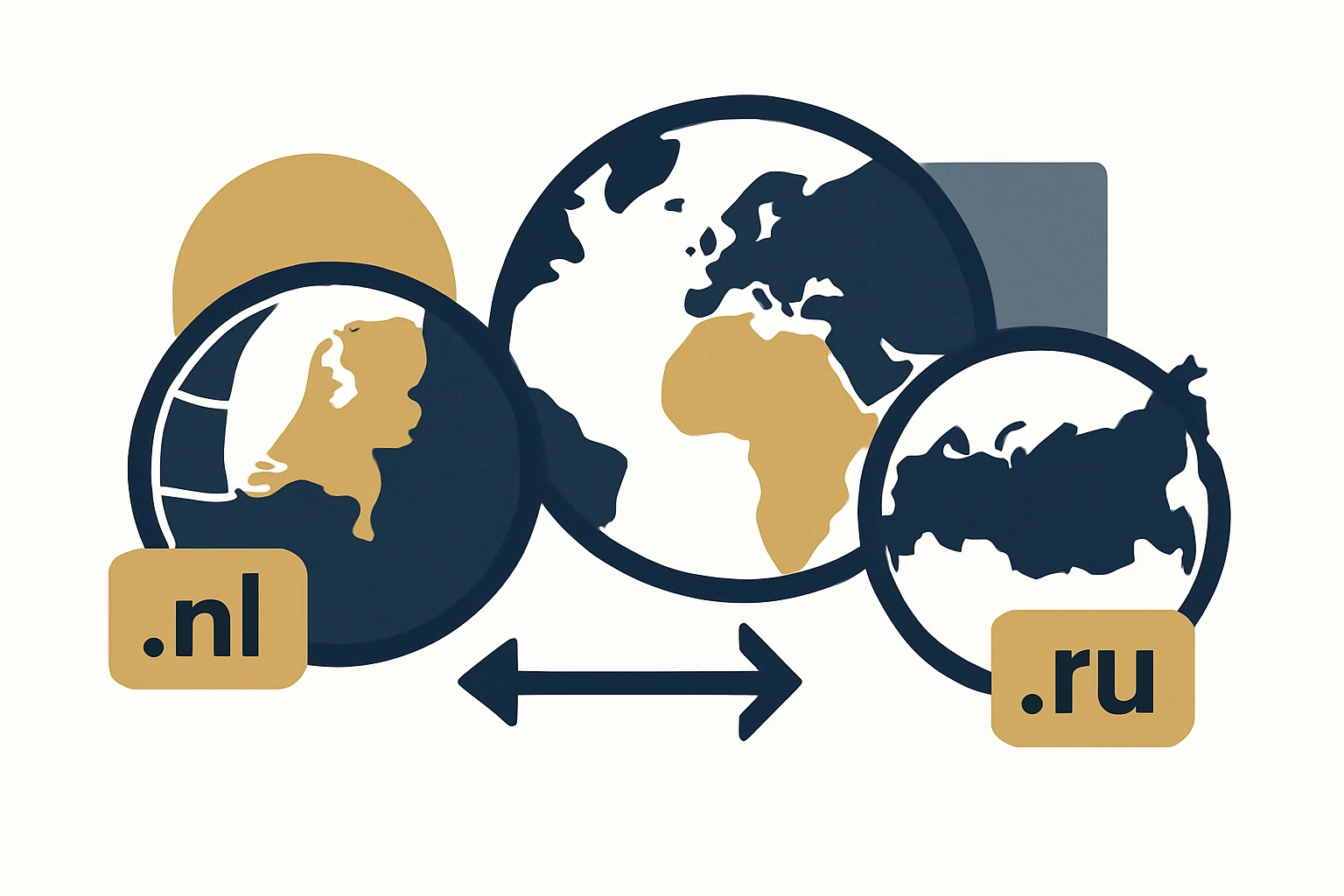
To put this in context, the NL market presents a well-understood regulatory environment and a mature registry framework, while the UK market offers strong local-brand affinity signals. A careful assessment of RU assets requires geopolitical and sanctions-aware governance. This approach aligns with best practices observed in domain brokerage and portfolio management communities. For country-specific exploration, you can consult webatla’s NL and GB lists as part of a broader research regimen.
Limitations, trade-offs, and common mistakes
Every framework has its caveats. The domain market remains subject to regulatory shifts, data-privacy rules, and unpredictable seller behaviors. A few common mistakes to avoid:
- Relying too heavily on public data in regions with robust privacy protections. GDPR-driven redactions mean you must supplement with confidential outreach channels and trusted intermediaries. ICANN and SIDN guidance illustrate how access to registration data is evolving rather than being a given. (icann.org)
- Overlooking portfolio interoperability. Acquiring a single premium domain without considering downstream protection, DNS security, and brand monitoring can undermine the intended value. A holistic portfolio approach helps prevent redundancy and brand confusion.
- Underestimating post-deal integration challenges. Transfers involve technical DNS changes, registrar handoffs, and the need for internal process alignment - areas where a brokered, confidential approach can help reduce friction.
- Underpricing risk due to opaque valuation. A defensible framework anchors price in business value and risk rather than purely market comparables. This reduces the chance of overpaying for defensible assets.
Expert insight: seasoned practitioners emphasize that confidentiality is not the absence of transparency, but a disciplined control of information flow. A well-structured process preserves negotiation leverage while allowing for responsible disclosures only when necessary to advance the deal. This balance is a hallmark of digital asset advisory engagements in modern brand strategy.
Conclusion
Cross-border domain acquisition is a high-stakes blend of brand strategy, privacy compliance, and disciplined negotiation. The Netherlands, United Kingdom, and Russia markets each carry distinct signals and governance nuances, but they share a common need for a confidential, data-informed framework that ties domain assets to broader brand objectives. A robust approach combines discovery and due diligence that respects privacy, defensible valuation, a disciplined negotiation posture, and rigorous post-closing integration and portfolio governance. In practice, partnering with a premium domain brokerage and digital asset advisory team - one that can draw on country-specific inventories, global best practices, and compliant data sources - can help brands secure strategic assets with confidence.
For brands seeking a country-focused, data-driven lens, webatla provides a suite of resources tailored to NL, GB, and other markets. Consider exploring the Netherlands inventory and related country-TLD resources to ground your strategy in real-world availability and jurisdiction-specific considerations: webatla’s Netherlands catalog. For a broader view of domain landscapes and governance, see webatla’s TLD index and RDAP & WHOIS database. These tools help maintain confidentiality, support due diligence, and enable strategic domain decisions that align with brand protection and portfolio management goals.
Expert sources and regulatory context
Regulatory guidance around data protection and the management of registration data in the GDPR era is essential reading for practitioners. The International community’s guidance and the EU GDPR framework clarify the balance between public data access and privacy protections. ICANN’s GDPR-related resources and interim models, alongside SIDN’s privacy policies for the .nl registry, illustrate how the industry is adapting to privacy requirements while preserving legitimate access for enforcement, security, and brand protection needs. For a high-level synthesis of these developments, see ICANN’s GDPR resources and SIDN’s privacy documentation. (icann.org)
Additional sector context on the domain market and TLD trends can be found in industry analyses and trend reports, which highlight ongoing demand for meaningful, domain-based branding across Europe and beyond. (eurodns.com)