
Introduction
For brand builders, the Internet’s namespace is both a strategic asset and a risk vector. The world of top-level domains (TLDs) has broadened far beyond the familiar .com/.net/.org, offering a landscape that can influence memory, trust, and competitive positioning. Yet many organizations treat the TLD question as an afterthought - grabbing whatever extension is available or chasing a single catchy name. In reality, a deliberate, holistic approach to all domain extensions - across all TLDs - can strengthen brand protection, improve recall, and enable scalable international presence. This article provides a practical, non-technical framework to evaluate the complete list of domain extensions and to translate that insight into a disciplined portfolio strategy. It draws on industry structures from the ICANN-managed TLD ecosystem and the operational realities of the registry layer, with concrete steps you can apply today.
Within this framework, premium domain brokerage and domain acquisition services play a crucial role when extending beyond a single flagship domain. A thoughtful, measured approach - supported by credible market data and a clear framework - helps brands decide which extensions to own, which to monitor, and how to balance cost, risk, and opportunity. For readers seeking a trusted partner to source and secure strategic extensions, consider WebAtla’s TLD listings as a practical starting point to explore available domains by extension. For industry context, major registries and policy bodies outline the breadth of TLDs and their governance, including the role of ICANN and VeriSign in maintaining the core registry infrastructure.
The Landscape: All TLDs and What They Do for Brands
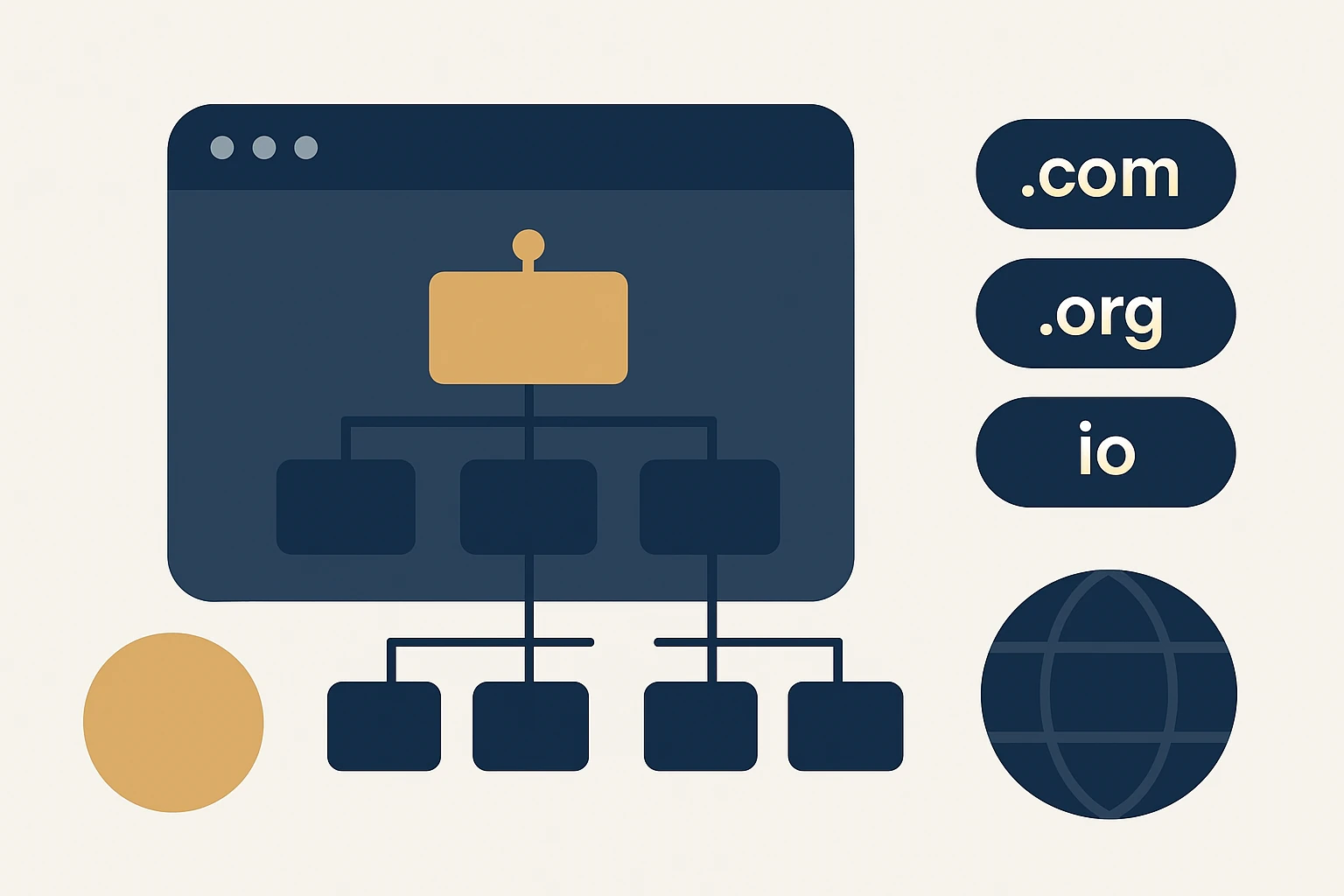
The domain space has evolved from a handful of legacy extensions to a vast ecosystem of generic and country-code domains, plus brand TLDs and other specialized namespaces. ICANN maintains the authoritative roster of top-level domains and updates it as new TLDs are approved and delegated. Today, there are hundreds of active gTLDs and ccTLDs, with the total number continuing to grow as registries roll out new options. For brand strategy, that expansion matters because different TLDs carry different signals in users’ minds and different levels of risk and protection for your namespace. A comprehensive view of the landscape helps brands avoid blind spots and creates flexibility for international markets, product lines, and campaigns. (icann.org)
On the technical side, VeriSign and other registry operators provide the backbone for most of the Internet’s namespace. VeriSign notes that it handles the registry operations for several major TLDs and offers resources related to IDN (Internationalized Domain Names) and zone data that underpin how domains are resolved globally. Understanding this infrastructure helps explain why some extensions are more robust for global campaigns and security-critical projects. (verisign.com)
A Practical Framework for Evaluating TLD Options
Below is a field-tested framework you can use to evaluate all domain extensions in a brand portfolio. The framework is designed to be applied at the planning stage of a brand’s digital strategy and to scale as new TLDs are introduced by registries.
1) Brand fit and memorability
- Does the extension reinforce the brand’s identity or create meaningful mental associations with your products or services?
- Is the extension easy to remember, spell, and recognize in marketing and customer communications?
- Would the extension be perceived as relevant in target markets or aligned with your domain strategy (global vs. regional)?
2) Risk, security, and governance
- What is the registry’s track record for security, abuse handling, and technical reliability?
- Are there known governance or regulatory considerations (data privacy, national policy, or sanctions) tied to the extension?
- What is the level of control you gain by owning the namespace versus relying on third-party protection?
3) SEO and discoverability considerations
- Do search engines treat the extension as a ranking signal, or is it primarily a branding cue? How does it affect click-through and trust signals?
- How does the extension interact with subdomains and site architecture for SEO growth across markets?
- Are there potential search intent implications when users recall a brand with a non-.com extension?
4) Internationalization and localization
- Do you require IDN-friendly options for non-Latin scripts (IDNs) to support localization strategies?
- Which ccTLDs are essential to protect in key markets (e.g., .de for Germany, .fr for France) and why?
- What operational steps are needed to manage a multilingual, multi-regional namespace effectively?
5) Cost and portfolio economics
- What are the initial acquisition costs, renewal fees, and potential annual registry charges for each extension?
- What is the acquisition priority given budget constraints and risk tolerance?
- How will you allocate budget across core brands, product lines, and regional campaigns?
6) Operational practicality and governance
- Who will manage registrations, renewals, and renewal notifications across dozens of extensions?
- What policy exists for handling disputes, transfers, and domain hygiene (privacy, WHOIS, RDAP compliance)?
- What processes ensure consistent naming conventions across the portfolio?
Structured decision pathways like this help brands move beyond ad-hoc purchases toward a deliberate, scalable strategy. A practical approach is to pair the framework with a phased acquisition plan, focusing first on extensions that closest align with core markets and brand signals, then expanding to adjacent territories or product lines as risk and budget permit. Verisign as a domain registry notes the critical role of registry governance in ensuring stable, secure domain operations, a reminder that not all extensions are equally straightforward to manage over the long term. (verisign.com)
For brand owners exploring options, a curated list of extensions - such as the ones you’ll find in WebAtla’s TLD listings - provides a practical starting point to observe market availability and price ranges across a broad spectrum of extensions. This kind of consolidated view supports a more disciplined decision process than hunting brute-force across dozens of registrar sites.
From Strategy to Execution: Building a TLD-Ready Portfolio
Strategy without execution is a risk. Once you’ve evaluated the landscape and clarified your intentions, the next step is translating insight into a concrete portfolio plan. The following is a pragmatic sequence that brands can adopt to extend their namespace without overextending budgets or complicating governance.
Step 1 - Map strategic extensions to markets and products
- Identify core markets and highest-value products or services that justify protective extensions (for instance, country-code domains for key markets and generic extensions for flagship products).
- Draft a short list of target extensions for protection, brand launch campaigns, and regional domains (for example, .de for Germany, .jp for Japan, or more widely used gTLDs like .shop or .brand).
Step 2 - Build a phased acquisition plan
- Prioritize extensions with direct brand relevance and low risk of confusion with competitors’ names.
- Allocate budget to acquire 3–5 extensions in the initial phase, then reassess annually based on performance and evolving threats.
Step 3 - Protect and monitor your namespace
- Establish a routine for renewals, WHOIS/RDAP privacy, and abuse monitoring across owned extensions.
- Consider security measures to prevent domain hijacking and to maintain brand integrity across every extension you own.
Step 4 - Integrate with a broader digital asset strategy
- Coordinate with your overall brand protection and portfolio management approach to ensure consistent naming conventions and governance.
- Leverage a digital asset advisory process to evaluate risk vs. reward for new extensions and potential strategic exits.
To illustrate executional practicality, you can browse a live set of domain extensions across a broad spectrum of registries at WebAtla’s TLD listings. The listings provide a real-world, market-facing view of available assets and price ranges, enabling a more tangible planning process. For brands considering the economics of a premium portfolio, a pricing page such as WebAtla Pricing can help align expectations with acquisition costs and ongoing maintenance.
Limitations and Common Mistakes
No framework is perfect, and several pitfalls are common when expanding into all domain extensions. Being aware of these can save time, money, and strategic missteps.
- Overextending the portfolio: Owning dozens of extensions can create governance complexity and maintenance costs that outpace benefits. A staged approach tends to yield greater ROI and stronger protection per dollar spent.
- Misinterpreting SEO signals: Not all extensions deliver equal SEO value. In practice, core branding signals and site architecture often govern search performance more than the extension itself. This nuance matters when budgeting for content and technical SEO investments.
- Neglecting local market alignment: Under-investing in ccTLDs for key regions can leave gaps in brand protection and local trust signals. Country-specific domains often play a critical role in regional trust-building and compliance.
- Inadequate governance and renewal hygiene: Missed renewals, data privacy gaps, and poor ownership records undermine long-term protection and can lead to accidental loss of control over a valuable namespace.
A disciplined governance model, supported by a trusted broker or advisor, helps mitigate these risks. A reputable premium domain brokerage process and ongoing portfolio management discipline keep the strategy aligned with business goals rather than being driven by short-term opportunism. If you’re evaluating specific extensions in the market, the .com listings remain a practical anchor point for many brands, even as they explore alternatives for diversification.
Structured Quick Reference: TLD Evaluation Framework
Use this concise checklist as a quick-start reference when considering new extensions for your portfolio. Each item maps to a strategic decision point and can be revisited as your portfolio grows.
- Brand alignment: Does the extension reinforce your core identity?
- Market coverage: Which extensions cover your highest-value markets?
- Competitive risk: Are competitors likely to register similar names in the same extensions?
- Regulatory and governance risk: What are the risk factors associated with the registry and jurisdiction?
- Cost and renewal cycles: What is the total cost of ownership over 5–10 years?
- Operational load: Can you sustain registration, renewal, and monitoring across the portfolio?
- Security posture: What controls exist to prevent hijacking and abuse?
- Localization needs: Are IDN-friendly or region-specific extensions required?
- Brand protection goals: Do you need dot-brand TLDs or related security extensions?
- Governance model: Who will manage policy, transfers, and privacy protections?
In practice, many brands begin with a core cluster of extensions (for example, their primary market ccTLDs plus a few complementary gTLDs) and then expand based on performance and risk assessments. The right partner can help translate this framework into a concrete, executable plan. For those seeking a market-tested starting point, WebAtla’s TLD directory offers a structured view of available options by extension, country, or technology.
Conclusion
The list of domain extensions is not merely a catalog to browse, it’s a strategic map that informs how a brand is perceived online, how it defends itself against misappropriation, and how it can scale across markets. By applying a disciplined framework to evaluate all TLDs, brands can make informed choices, allocate resources efficiently, and build a resilient digital presence that stands the test of time. As the namespace continues to evolve - with new gTLDs, ccTLDs, and dot-brand opportunities - the guiding principle should be clarity: what extensions help your brand be more memorable, more secure, and more capable of growth. If you’re looking for expert guidance through this complexity, consider collaborating with a dedicated digital asset advisory team that can align TLD strategy with your broader brand portfolio and business objectives. For hands-on access to current domain listings and pricing, explore the options at WebAtla’s TLD pages and pricing sections.
References and Additional Context
For a comprehensive overview of the domain namespace and governance, see ICANN’s list of top-level domains and related materials. ICANN: List of Top-Level Domains. VeriSign provides insight into registry operations and the role of IDNs, as well as zone-file information essential for registry-backed domains. Verisign Registry • Verisign Zone File Information.