
Introduction: why emerging ccTLDs matter for brand growth
As U.S.-based brands expand into new markets, the digital footprint becomes a critical strategic asset. Country-code top-level domains (ccTLDs) like .sl (Sierra Leone), .sx (Sint Maarten), and .mp (Northern Mariana Islands) can signal local legitimacy, improve user trust, and unlock regionally relevant branding opportunities. Importantly, ccTLDs are not merely decorative, they are managed by national registries under the oversight of IANA and ICANN, which shapes how they’re acquired, renewed, and protected. For multinational brand portfolios, a disciplined approach to ccTLD opportunities can reduce risk, protect trademarks, and create local resonance. (iana.org)
The strategic value of ccTLDs in emerging markets
ccTLDs carry signals about local commitment and market intent. When a brand secures a ccTLD that aligns with an operating country, it can support localized marketing, regional SEO signals, and easier customer trust-building in that market. However, the value is not automatic: registries differ in rules, renewal costs, and privacy protections. Therefore a rigorous assessment framework is essential before any purchase. For governance context, ccTLDs are overseen within ICANN’s framework and the ccTLD community, and the root-zone data maintained by IANA provides the official mapping and delegation details for each code. (icann.org)
Market snapshots: SL, SX, and MP as locations for brand experimentation
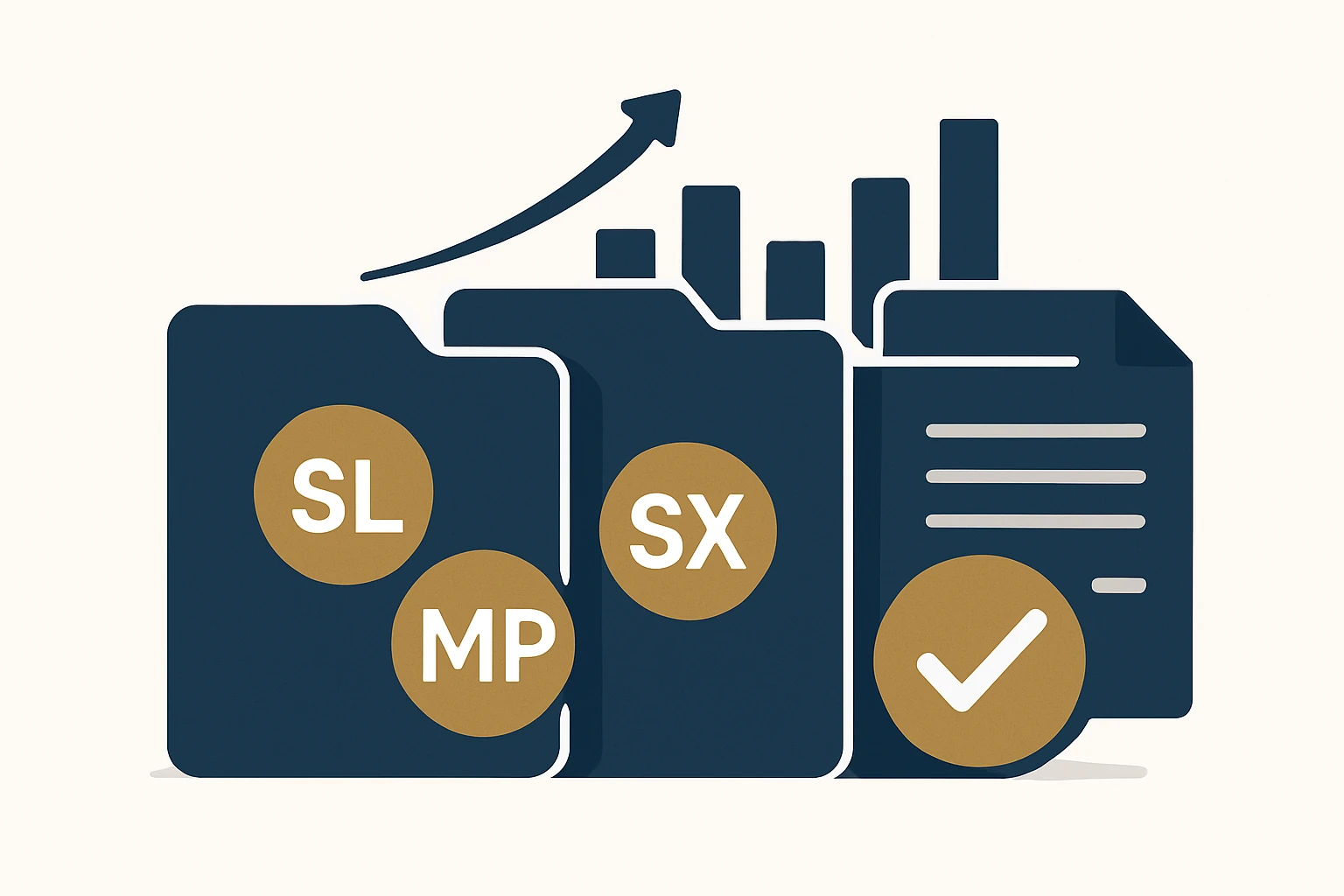
The Sierra Leone (.sl), Sint Maarten (.sx), and Northern Mariana Islands (.mp) ccTLDs represent distinct market geographies and digital ecosystems. In emerging or smaller markets, a local-domain presence can complement global domains and support regional campaigns. When evaluating such opportunities, consider both demand signals (local consumer search behavior, partner networks, and regulatory clarity) and the practicalities of domain operation (registry restrictions, privacy regimes, and technical requirements). For brands with regional ambitions, these ccTLDs can function as strategic access points rather than standalone assets. For registries themselves, ongoing governance and market evolution influence long-term value, making due diligence essential, not optional. (iana.org)
Case-specific due diligence: how to evaluate SL, SX, and MP opportunities
Evaluating ccTLD opportunities requires a structured approach that blends market insight, risk management, and portfolio planning. The following factors should guide any decision to acquire or develop a ccTLD asset in SL, SX, or MP:
- Market alignment: Do the target markets have a meaningful consumer or business presence for your brand? Is there a local partner ecosystem or distribution channel that benefits from a localized domain?
- Regulatory and registry rules: What are the registry’s eligibility requirements, renewal cadence, and privacy policies? Some ccTLDs restrict registrations to local entities or require a local address, others are open but carry different compliance expectations.
- Availability and risk: Are desired names available, or do you risk trademark conflicts, cybersquatting, or future policy changes that could impact your holdings?
- Technical and operational considerations: DNS stability, privacy protections (RDAP/Whois vs. privacy masking), and renewal automation influence long-term portfolio management.
- Strategic fit and portfolio integration: How does a ccTLD complement your existing portfolio? Does it enable regional campaigns, localized SEO, or brand-protective strategies that reduce fragmentation across markets?
These questions form the foundation of a disciplined approach rather than a reflexive pursuit of any available country code. A thoughtful mix of qualitative signals and hard data - registrar terms, renewal costs, and zone-file accessibility - helps determine whether a SL, SX, or MP domain should join your portfolio today or be scheduled for later consideration. The IANA root-zone database and ICANN’s ccTLD governance materials are reliable sources for understanding the regulatory backdrop to these decisions. (iana.org)
A practical framework for ccTLD opportunity evaluation
The following structured approach serves as a repeatable, defensible process for evaluating emerging-market ccTLDs. It is designed to be applied across markets like SL, SX, and MP and can be adapted to other country codes in a portfolio.
- 1. Market fit – Align the ccTLD with business objectives, regional growth plans, and brand strategy. Consider customer behavior, partner networks, and local-language branding potential.
- 2. Availability & risk – Assess name availability, potential trademark issues, and registry rules. Evaluate the likelihood of future changes in registry policy that could affect domain value or use. Consider confidentiality options for acquisition when appropriate.
- 3. Lifecycle management – Plan for ongoing renewal, privacy controls, DNS stability, and consistency with other markets in your portfolio. Build governance around who can approve transfers, renewals, and disputes.
- 4. Value realization – Define how the ccTLD will support revenue, marketing efficiency, or risk mitigation. Establish KPIs (conversion lift, SEO impact, brand protection coverage) and track performance over time.
In practice, this framework helps brands decide not only which ccTLDs to acquire but also when to pursue them confidentially (to preserve leverage in negotiations) and how to integrate them with broader brand protection and portfolio management efforts. For a deeper dive into the mechanics of ccTLD governance and how registries interact with global policy, see ICANN’s ccTLD resources and IANA’s root-zone documentation. (icann.org)
Real-world application: building a responsible ccTLD approach
Let’s translate the framework into actionable steps you can apply to SL, SX, and MP from a strategic, not solely opportunistic, perspective:
- Inventory your portfolio gaps: Map where your current assets align with local markets and where gaps exist (for example, a local brand presence in SL may pair with a .sl domain for local campaigns).
- Assess availability with caution: When highly desirable names are unavailable, explore alternative spellings, local-language equivalents, or related keywords that still support brand objectives.
- Plan integration and governance: Establish a cross-functional process for approving ccTLD acquisitions, including trademark reviews, regulatory checks, and renewal schedules. This reduces accidental portfolio drift and ensures consistent protection across markets.
- Consider confidentiality and negotiation strategy: For premium domains, explore confidential acquisition strategies to preserve negotiating leverage and avoid signaling demand to the market prematurely.
To illustrate, brands often start with a concise list of target names and map them to the markets where a ccTLD would deliver the most incremental value. If a SL domain aligns with a local brand name and there is credible demand in Sierra Leone’s digital economy, the asset may be worth pursuing now, while more speculative opportunities can be scheduled as the portfolio matures. For a broader, data-backed approach to domain acquisition and portfolio development, consider engaging a premium domain brokerage and digital asset advisory to bring industry rigor to the process.
Limitations and common mistakes to avoid
Even well-intentioned ccTLD strategies can fall short if risks are underestimated or the scope is unclear. Consider the following:
- Overestimating local demand: A ccTLD can fail to deliver ROI if there is insufficient regional brand affinity or e-commerce activity. Always validate with market signals and test campaigns before large commitments.
- Underestimating registry rules: Some registries impose restrictions or compliance requirements that increase cost or limit use. Thorough due diligence on eligibility, renewal terms, and privacy protections is essential.
- Neglecting lifecycle management: A ccTLD is not a one-off purchase. Without a governance process for renewals, privacy controls, and DNS stability, assets can lapse or become misaligned with the broader portfolio.
- Forgetting integration with brand protection: ccTLDs should be evaluated alongside trademark strategy and cybersquatting protection. A ccTLD kept in isolation may expose the brand to confusion or infringement risk.
From an industry perspective, governance and policy evolution in ccTLD ecosystems can influence long-term value, so ongoing monitoring is necessary. Public sources on ccTLD governance underline the role of national registries and ICANN’s ccTLD framework in shaping these dynamics. (icann.org)
How webatla can support confidential, strategic ccTLD decisions
Choosing to pursue ccTLD opportunities in emerging markets like SL, SX, and MP benefits from a disciplined, strategic partner. webatla’s country-specific listings, tld inventories, and RDAP & WHOIS database access provide a practical foundation for due diligence and risk assessment. For brands seeking structured market intelligence and careful negotiation, leveraging a premium domain brokerage and digital asset advisory service helps protect confidentiality, optimize negotiation leverage, and ensure alignment with a larger portfolio strategy. Visit these webatla resources to explore country, TLD, and domain information that can inform your decision process:
In a practical sense, the combination of webatla’s data resources and a disciplined brokerage process can enable your team to move from “could we” to “we should,” with confidence that you are balancing risk, cost, and strategic impact. A modern approach to digital asset advisory integrates legal risk mitigation with portfolio-level optimization, allowing you to track performance and refine priorities over time. For more on the broader framework and for direct access to country, TLD, and technology inventories, these resources provide a useful starting point for informed decision making.
Expert insight: translating governance into practice
Industry experts emphasize that ccTLD investments should be anchored in business objectives and operational discipline. An experienced strategist notes that the real value comes from how a ccTLD supports local credibility, aligns with regional go-to-market plans, and integrates with-multimarket trademark protection. This perspective reinforces the need for a governance-ready process: clear ownership, robust renewal planning, and coordinated risk management across markets.
Expert insight: a governance-minded approach reduces overhang risk and keeps the portfolio nimble as market conditions change. The result is a more resilient brand presence that can respond quickly to regional opportunities while maintaining global consistency.
Conclusion: a deliberate path to growth through emerging ccTLDs
For brands seeking to grow in specific regional markets, SL, SX, and MP represent opportunities to supplement a global domain strategy with locally resonant assets. The value of these ccTLDs lies not in the code alone but in how well they are integrated into a portfolio with strong brand protection, disciplined acquisition processes, and clear performance metrics. By applying the three-part framework - market fit, availability & risk, lifecycle management - your team can evaluate and realize meaningful benefits while minimizing exposure. In practice, the most successful ccTLD programs balance ambition with governance, relying on data-backed diligence and strategic partnerships to turn country-code opportunities into durable brand assets.
As you consider next steps, remember that the best outcomes come from a combination of market insight, careful due diligence, and a structured, confidential approach to acquisition and portfolio management. This is where premium domain brokerage and digital asset advisory can complement in-house capabilities, helping you navigate complex negotiations while keeping your goals front and center.