
Introduction
Brands increasingly rely on premium, strategically placed domains to signal local relevance, accelerate trust, and unlock regional search momentum. Geographic top-level domains (geoTLDs) like .nyc or country-adjacent geoTLDs such as .africa offer a compelling channel to anchor a brand in a market while maintaining global scale. Yet geoTLDs introduce distinct governance rules, eligibility nexus, and acquisition dynamics that differ from traditional .com or generic gTLDs. This article provides a practical, evidence-based framework for confidential domain acquisition and portfolio management that aligns with premium-brand goals and the realities of geoTLD markets. It also notes common missteps and trade-offs, so brand leaders can make deliberate, informed bets rather than reactive purchases. ICANN emphasizes geoTLDs as a way to strengthen local identity, but success hinges on disciplined governance, alignment with brand strategy, and rigorous risk controls.
1) Why geoTLDs matter for premium brands
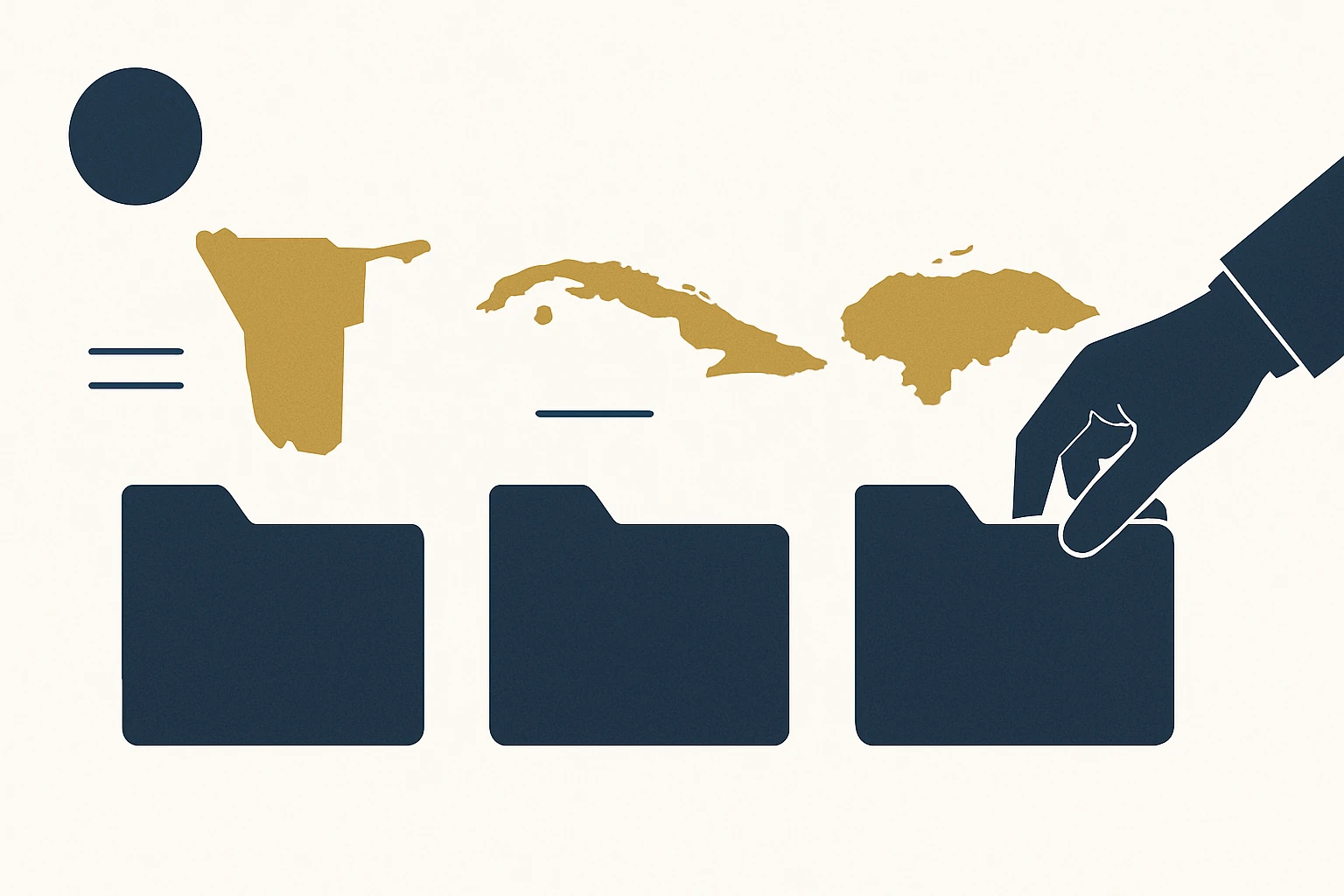
Geographic top-level domains encode a clear geographic signal into a brand's digital presence. This signal can reinforce local market objectives, support localized content strategies, and improve user trust in regional contexts. For example, city-specific domains can serve as focal points for local campaigns, partner ecosystems, and regional product launches, while continent- or region-specific geoTLDs (such as .africa) can support pan-regional brand narratives and cross-border campaigns. The governance and branding implications of geoTLDs are well documented in ICANN materials, which highlight their potential to complement global branding with local precision. ICANN NYC geoTLD documentation summarizes the intended use and governance around city TLDs, including eligibility considerations and deployment context.
Practically, geoTLDs can affect digital strategy in three interrelated ways:
- Local visibility: Search, local citations, and map integrations can benefit from a geo-anchored domain strategy when paired with localized content and NAP (name, address, phone) consistency.
- Brand protection and segmentation: Distinct geoTLDs can segment markets for risk containment and brand defense, reducing the risk that one region’s domain issues pollute the entire global footprint.
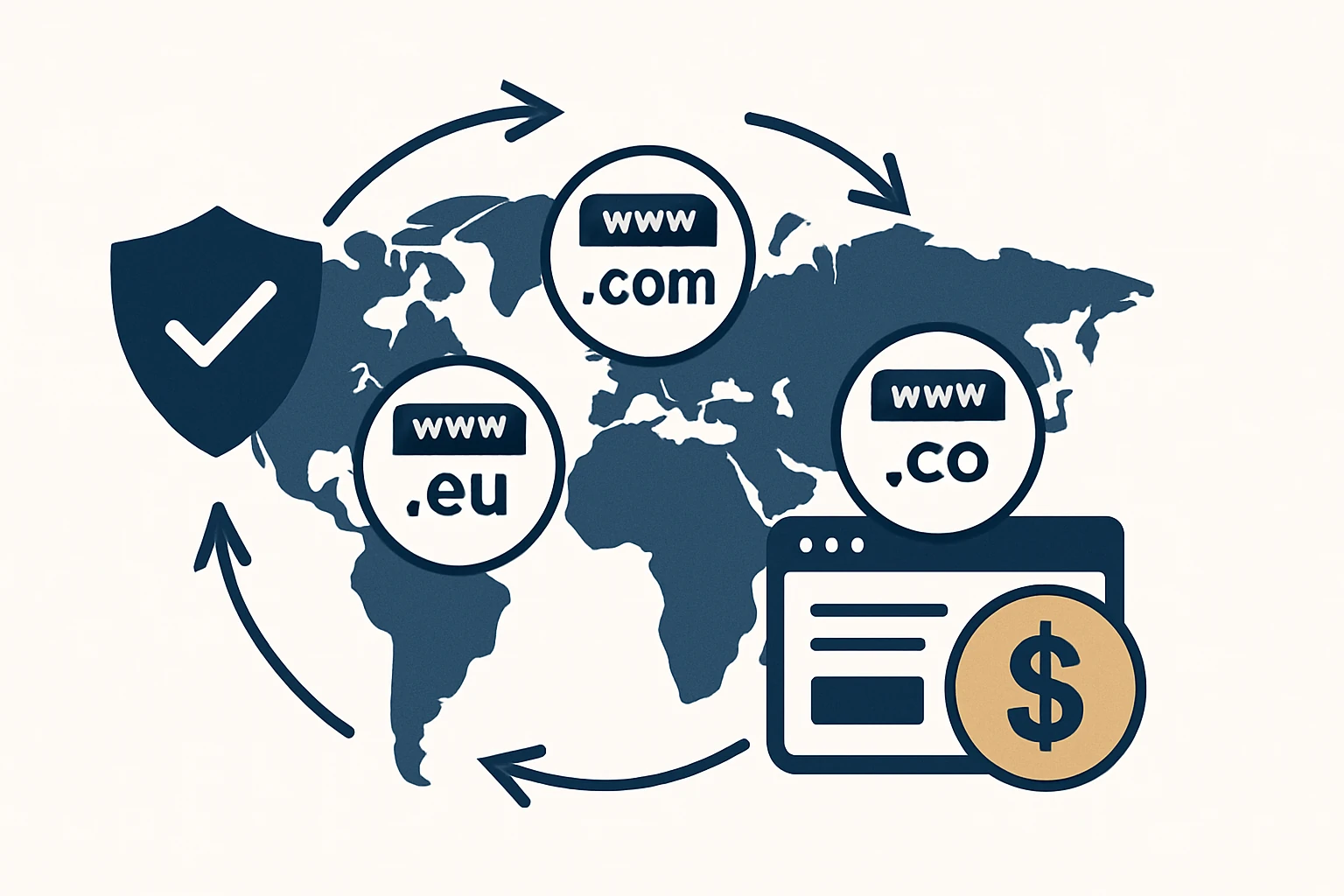
- Portfolio optimization: A geoTLD portfolio can complement a global strategy by mapping geography to product lines, channels, or regulatory jurisdictions, enabling more precise domain renewal governance and risk budgeting.
While geoTLDs offer advantages, they also come with cautionary notes. Nexus or eligibility requirements, varying registry policies, and local competition dynamics can complicate ownership and monetization. As with any premium asset class, the value of geoTLD holdings accrues when paired with disciplined management, clear ownership to functional business units, and integration into the broader digital risk framework. For a deeper governance lens, consider ICANN’s geoTLD discussions and risk analyses, which remain central to understanding the operational terrain. ICANN NYC geoTLD documentation.
2) A practical framework for confidential geoTLD acquisition
When the goal is to acquire premium geoTLD assets without disrupting ongoing brand operations, a disciplined framework matters more than a single big-ticket purchase. The framework below is designed to guide decision-makers through discovery, evaluation, negotiation, and post-acquisition integration, with an emphasis on confidentiality and portfolio coherence.
-
Discover and align with strategic intent
- Map geography-to-brand strategy: Which markets drive growth, risk exposure, or partner ecosystems? How should local digital assets reflect regulatory and language considerations?
- Assess nexus and eligibility: What nexus requirements exist for the geoTLDs under consideration (for example, city-based registries often require local affiliation or business activity)?
- Identify synergy opportunities: Can geoTLDs support new product launches, regional campaigns, or brand protection initiatives within a unified risk framework?
-
Evaluate strategic fit and portfolio impact
- Brand alignment: Does the geoTLD harmonize with existing brand architecture, voice, and domain hierarchy?
- Competitive landscape: Are competitors adopting geoTLDs in similar markets, and what does that imply for audience capture and SERP positioning?
- Risk and governance: What are the security, privacy, and contractual obligations associated with the registry and the registrar ecosystem?
-
Negotiate with discretion and secure transfer
- Engage through a confidential process: Use NDAs, controlled data rooms, and escrow arrangements to minimize exposure during the bidding and due-diligence phases.
- Evaluate ownership structures: Is the domain owned personally, by a corporate entity, or via a trust? What implications does that have for liability and long-term governance?
- Plan the transfer and integration: Ensure registrant, registrar, and DNS configurations are coordinated to prevent service disruption and protect security postures (e.g., DNSSEC adoption, registrar lock).
-
Integrate and operationalize the asset
- Portfolio alignment: Assign owners, set renewal cadences, and implement brand-protection policies across the geoTLDs.
- Performance and risk monitoring: Define KPIs (renewal rate, security incidents, SERP impact, traffic through geo-targeted landing pages) and set up ongoing audits.
- Contingency planning: Prepare for regulatory changes, registry policy updates, and potential disputes with a predefined escalation path.
Framework takeaway: A structured, confidential process reduces the risk of misaligned acquisitions and ensures that geoTLD assets truly serve the brand rather than becoming a cost center. For readers seeking a practical dataset to begin with, the NYC-specific domain list from webatla can serve as an operational starter, helping teams filter opportunities by geography and market segment. Download full list of .nyc domains.
3) Practical steps to evaluate and build a geoTLD portfolio
Building a geoTLD portfolio requires balancing strategic intent with operational discipline. The following steps translate the framework into actionable tasks that brand teams can implement with minimal friction, while maintaining confidentiality and governance discipline.
- Define decision criteria: Establish a short list of geoTLDs that align with core markets, language considerations, and regulatory environments. Avoid over-extension by focusing on a handful of geoTLDs with clear ROI pathways.
- Prioritize high-ROI markets: Identify cities or regions with high brand affinity, strong search volumes, or regulatory implications that justify a geoTLD investment. For example, a global retailer may benefit from a .nyc landing page for flagship stores and a regional hub, paired with local content strategies.
- Validate nexus and eligibility: Engage with registry operators to confirm nexus requirements and eligibility criteria. This can avoid costly missteps and ensure clean ownership paths in the event of transfer or dispute resolution.
- Assess integration with existing domains: Map geoTLDs to a domain hierarchy that supports canonicalization, redirects, and cross-domain presence, preserving SEO value while avoiding duplicate content issues.
- Plan risk controls and security: Implement DNSSEC, registrar locks, and monitoring for DNS hijacking or expiry risks. A modern portfolio must treat security as a first-class governing criterion, not an afterthought.
- Establish a lightweight procurement workflow: Create a standard NDA, data-room access protocol, and an escrow-backed transfer process to preserve confidentiality during negotiation and due diligence.
As a practical reference, domain-portfolio guidance from respected registrars emphasizes security, governance, and strategic alignment as core components of robust asset management. See industry perspectives on portfolio management and security best practices from established providers. Dynadot: Domain Portfolio Management Guide.
When you are specifically targeting geoTLDs, you may also use the broader domain-market insights to guide your approach. For instance, reputable industry analysis notes that domain assets should be evaluated not only on purchase price but also on how they enable local content strategies, regional partnerships, and risk containment. This is especially true when considering domains like .africa, where regional content strategies can be powerful but governance frameworks can differ from city-specific TLDs. Industry perspective on geoTLDs and brand strategy (example sources summarized for editorial use).
For readers seeking direct access to geoTLD inventories or related lists, a centralized hub like the webatla tld directory provides downloadable lists and filtered views for quick market assessment. The NYC list, for example, can be browsed and downloaded from the city-specific page: download list of .nyc domains.
4) Limitations, trade-offs, and common mistakes
GeoTLD acquisitions are appealing, but they are not a universal solution. A careful examination of limitations and potential missteps helps prevent over-indexing on a single strategy or underestimating long-term maintenance costs.
- Limited symmetry with global SEO: A geoTLD may not automatically deliver broad international SEO benefits. It’s most powerful when paired with robust content localization, canonical strategies, and region-specific campaigns. The value is incremental, not automatic.
- Nexus complexity: Some geoTLDs impose stringent nexus requirements or eligibility constraints that complicate ownership and transfer, especially across corporate structures or cross-border entities. Thorough due diligence is essential.
- Cost of governance and security: Ongoing renewal costs, registry policies, and security hardening (DNSSEC, registrar locks, monitoring) add up and should be budgeted as part of portfolio governance.
- Opportunity costs: Focusing on geoTLDs can divert attention from core global assets. A disciplined portfolio approach favors depth over breadth, ensuring that each geoTLD aligns with concrete business objectives rather than chasing trendiness.
- Common mistake: siloed ownership: When geoTLDs are owned outside the central brand governance, policy alignment and incident response can suffer. Designate a clear domain owner or cross-functional owner group for geoTLDs to avoid policy drift.
Expert observers emphasize that the maximum benefit of geoTLDs emerges when you embed them in a broader digital-risk and portfolio strategy. An industry perspective notes that a structured governance framework, with clear ownership, renewal schedules, and security controls, is critical to sustaining value over time. Dynadot: Domain Management Tips.
5) A concise, practical framework you can implement today
To help teams operationalize geoTLD opportunities without overhauling existing systems, here is a concise, three-part framework designed for the real world. This framework mirrors the discovery-evaluate-negotiate-integrate flow, but translated into weekly sprints for cross-functional teams.
- Map geography to business outcomes
Define which markets justify geoTLD investment, and articulate the expected benefits in customer experience, local trust signals, and revenue path[s]. - Shape a disciplined acquisition plan
Create a confidentiality-first workflow (NDAs, data rooms), assess nexus and transfer paths, and prepare for a controlled negotiation process that minimizes exposure. - Implement governance and lifecycle management
Establish asset owners, renewals, security measures, and an ongoing review cadence. Tie geoTLD performance to business KPIs (conversion lift, local SERP visibility, and brand-protection metrics).
A practical takeaway is that geoTLDs are best deployed when they are integrated into a broader domain-portfolio strategy with clear accountability and measurable outcomes. They work best when they are treated like other premium assets - subject to due diligence, security governance, and lifecycle management rather than ad hoc acquisitions. If you are starting from scratch, the NYC domain list is a concrete first step to ground your assessment in real-market data. Download full list of .nyc domains.
6) Expert input and real-world perspective
Expert insight: Industry practitioners consistently highlight that geoTLDs amplify local relevance when paired with localized content and a clear domain hierarchy. This requires careful governance, alignment with product and regional marketing, and explicit ownership within the brand’s digital risk framework. The practical value lies in the alignment of geography, language, and product strategy into a cohesive domain portfolio rather than treating geoTLDs as standalone marketing assets. See ICANN's GeoTLD discussions for context on governance and eligibility, which underpin responsible acquisition. ICANN NYC geoTLD documentation.
Conclusion
GeoTLDs offer a targeted path to strengthen regional identity, differentiate premium brands, and unlock localized growth avenues. The key is a disciplined approach that integrates geography with brand strategy, governance, and security. A three-part framework - discover and align strategic intent, evaluate fit and portfolio impact, negotiate and integrate securely - can help brands build a geoTLD portfolio that delivers measurable value over time. For teams ready to explore geoTLD opportunities, practical data resources such as the NYC domain list provide a ready-made starting point to ground strategic decisions in real-market opportunities. Access the NYC domain list and consider how it fits with your broader portfolio management objectives.
Note: This article draws on geoTLD governance materials and industry best practices to offer a structured, editorial perspective on confidential acquisitions and portfolio strategy. For related sales- and procurement-aligned resources, see the broader client hub at webatla TLD directory and the pricing overview for practical budgeting considerations.