Introduction
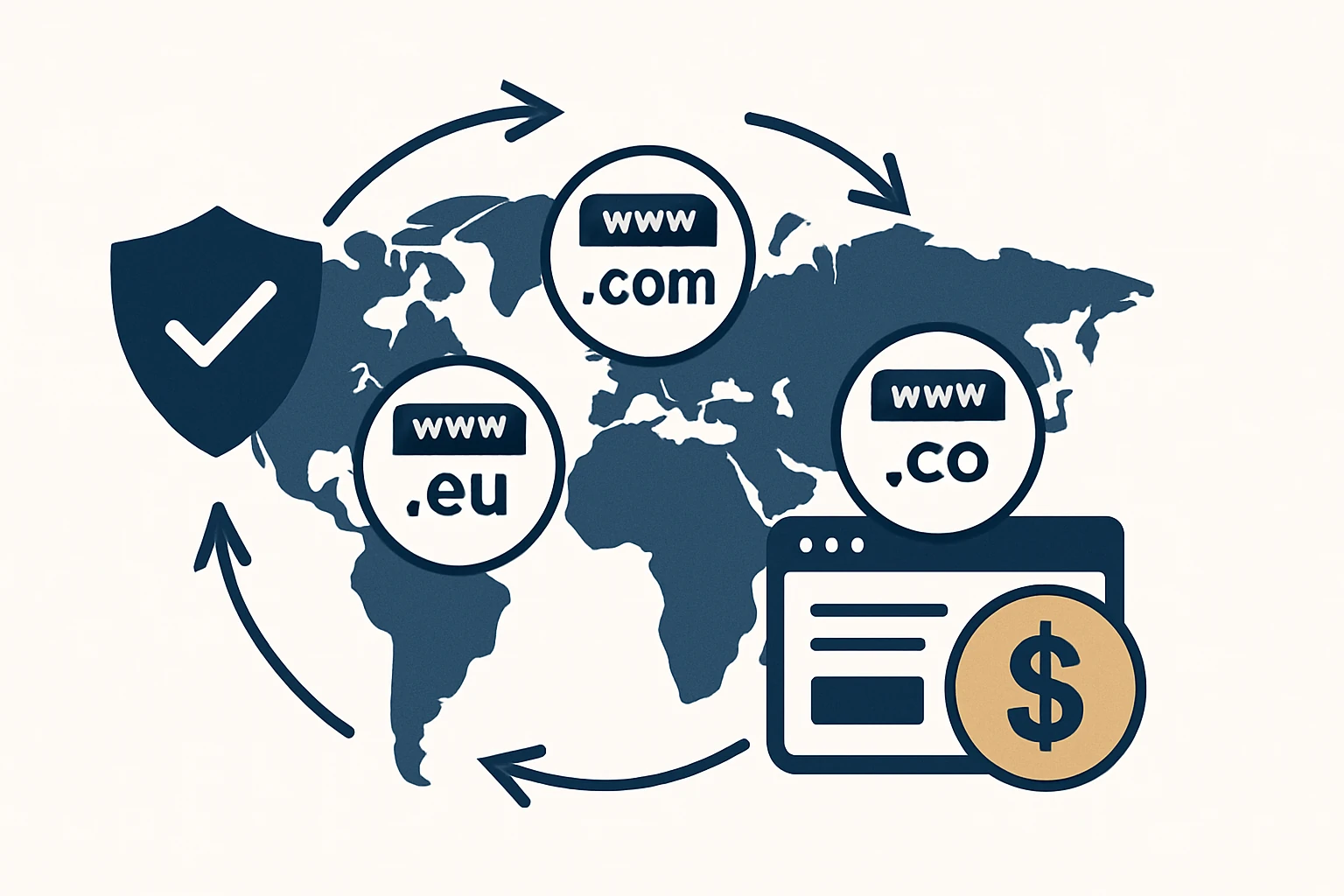
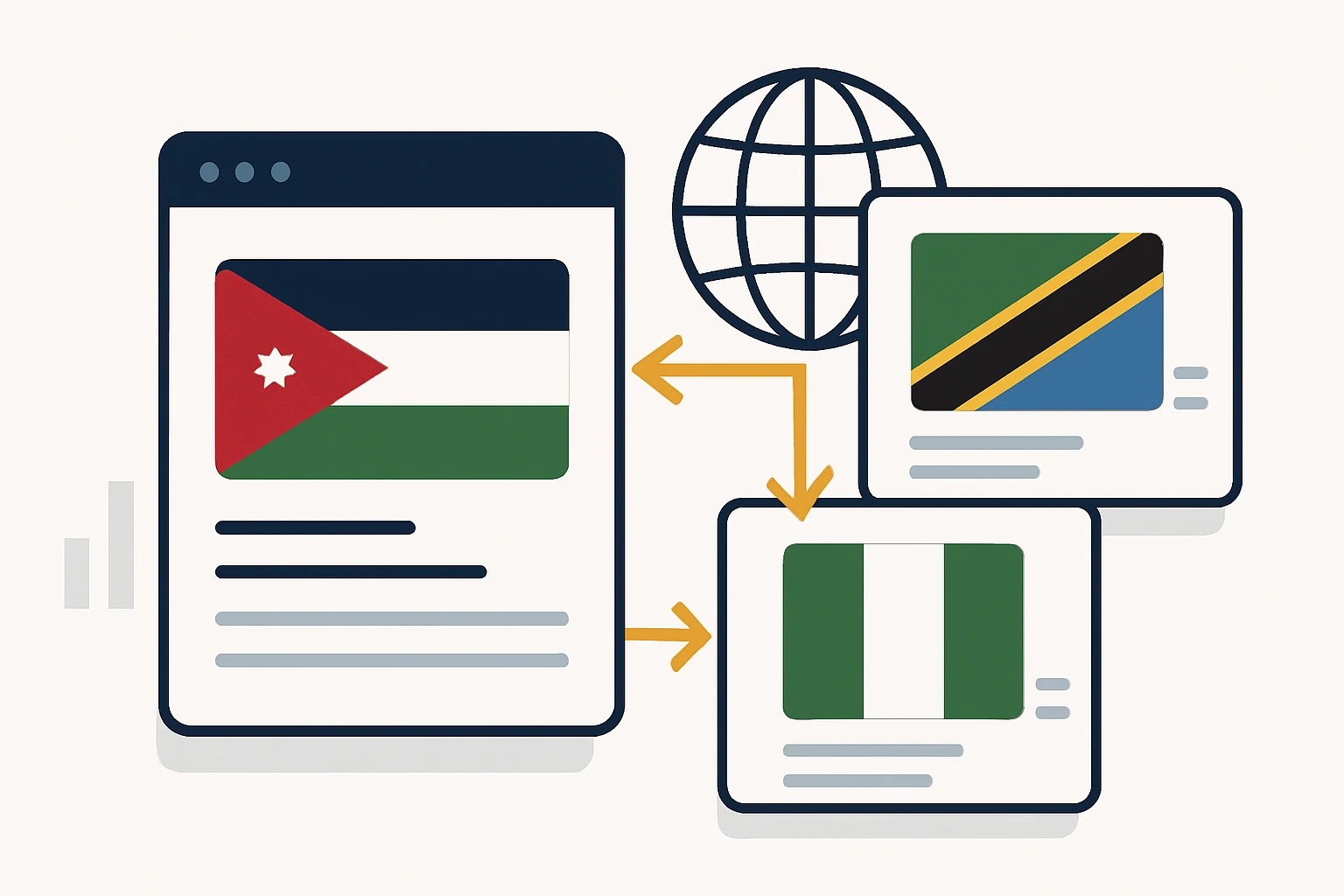
For global brands, growth hinges on digital real estate that is both defensible and locally resonant. A well-constructed country-code domain portfolio (ccTLDs) can be a cornerstone of regional credibility, local SEO signals, and strategic brand protection. This article outlines a practical, outcome-focused approach to building and managing ccTLD portfolios with a targeted focus on Jordan (.jo), Tanzania (.tz), and Nigeria (.ng). We draw on credible registry structures and real-world considerations to help brand owners, agencies, and brokers make data-driven decisions without overpaying for marginal assets.
In the realm of premium domain brokerage and digital asset advisory, the emphasis is on quality over quantity and on sustainable defensibility rather than one-off acquisitions. The guidance here is designed to fit a disciplined process: define strategy, validate assets with credible sources, and apply a clear framework to decide which domains belong in a portfolio and how to pursue them responsibly. For brand teams, this is as much about governance as about growth.
As you consider country-specific domains, you may encounter data points such as requests to download lists of country websites or similar data compilations. While such requests can provide a starting point, reliable decisions rely on validated registries, WHOIS data, and careful risk assessment. Throughout this piece, we reference official registries and industry-standard practices to ensure the approach remains compliant, scalable, and defensible.
Why ccTLD portfolios matter for global brands
- Local relevance and trust. Country-code domains anchor a brand in a specific market, signaling commitment to local customers and partners. They can support local marketing campaigns, region-specific pricing, and trusted communications in local languages.
- SEO and international reach. While the dominant global signal remains .com, ccTLDs often perform well in local search results and can reduce bounce rates when the local audience lands on a country-focused site.
- Brand protection and risk management. A thoughtfully curated ccTLD portfolio helps safeguard a brand from cybersquatting and competitor risk in key markets, reducing downstream legal and reputational exposure.
- Portfolio resilience. Diversifying beyond a single extension mitigates risk from policy shifts, currency effects, and market-specific volatility, supporting long-horizon brand strategy.
The portfolio approach is not about chasing every possible country extension. It’s about identifying markets where the brand has a credible growth trajectory, where registration models align with business needs, and where the total cost of ownership (including renewal and potential disputes) remains within acceptable bounds. In this context, the registries behind JO, TZ, and NG provide essential context for evaluation and risk planning.
Country-specific landscape: JO, TZ, NG
Understanding the registry framework behind each ccTLD is critical for assessment, budgeting, and execution. The Jordan .jo registry profile confirms that Jordan’s registry and registrar responsibilities reside with the Ministry of Digital Economy and Entrepreneurship (MoDEE). This has implications for residency requirements, registrar options, and policy changes that affect eligibility and pricing.
In Tanzania, the .tz ccTLD is administered by the Tanzania Network Information Centre (tzNIC), a non-profit organization established to manage .tz. The registry role, governance, and technical infrastructure are documented in official registry and ICANN community sources, which helps buyers and brokers calibrate risk and lead times for acquisition. See the tzNIC profile for registry context and contact points.
Nigeria’s .ng is managed under the Nigeria Internet Registration Association (NiRA), a Not-for-Profit body that operates the domain space in the public interest. NiRA’s site offers guidance on accredited registrars, policy, and governance critical to evaluating acquisition feasibility and ongoing management. For governance context, visit NiRA.
Together, these registries illustrate a broader truth: ccTLD strategies require alignment with local governance, regulatory frameworks, and the availability of capable registrars. Those considerations shape the pace of acquisitions, the likelihood of wholesale portfolio moves, and the risk profile of each asset you pursue.
A practical, data-driven approach to JO, TZ, NG ccTLDs
To translate registry realities into a concrete plan, use a data-informed workflow that combines public registry signals with disciplined due diligence. This section translates that workflow into actionable steps you can apply when evaluating JO, TZ, NG domains, and similar markets.
Step 1 - Define market intent and alignment with brand strategy: Start with a clear map of where your brand intends to grow in each country and what this implies for domain strategy. Is the objective primarily protection, regional marketing, or a potential redirect to a local language site? Align the ccTLD approach with the broader brand architecture and the product-market priorities.
Step 2 - Conduct registry-aware feasibility checks: For each candidate extension, verify governance, residency requirements, and registrar options. For example, in Jordan the registry is MoDEE, in Nigeria, NiRA operates the registry with a 3R model (Registry/Registrar/Registrant), in Tanzania, tzNIC governs the .tz namespace. These governance facts influence which registrars you can work with and how quickly you can register or re-register domains. See the Jordan, TZ, and NG registry references cited above for context.
Step 3 - Data hygiene and asset verification: Build a master list of target domains using credible sources (registries, Whois records, accredited registrars) and cross-check with a minimal data hygiene checklist (ownership proof, renewal horizons, trademark conflicts, and potential disputes). If you encounter lists like a request to download list of Jordan (JO) websites or similar compilations, treat them as starting points only and verify each asset through primary sources before any offer or transfer attempt.
Step 4 - Evaluate acquisition feasibility and total cost of ownership: Consider not just the headline domain price, but renewal fees, privacy/Whois costs, potential premium surcharges, and any country-specific registration prerequisites. In markets with strict local presence rules, anticipate the need for local entities, local addresses, or a registrant proxy, which can impact speed and cost.
Step 5 - Build a decision-ready framework to compare opportunities: Use a simple, repeatable framework that weighs market relevance, asset quality, governance risk, and cost. The following structured block offers a concise way to apply this framework across JO, TZ, NG and other ccTLDs.
Framework for evaluating ccTLD opportunities (structured block)
- Market relevance - Does the country align with the brand’s growth plan? Is there local demand or partner activity that justifies a local URL?
- Asset quality - Is the domain short, memorable, and brandable? Does it have established branding value or resale liquidity?
- Governance risk - What are residency, registrar, and transfer processes? Are there any policy changes looming that could affect ownership or accessibility?
- Total cost of ownership - What are renewal fees, premium surcharges, and transfer/registration costs? Are there ongoing privacy or compliance fees?
- Acquisition feasibility - How readily can you secure the domain through accredited registrars? What is the expected time-to-register in the target country?
Applying this framework helps you balance strategic value with practical constraints, ensuring that each asset in a ccTLD portfolio contributes to a coherent growth story rather than merely inflating a list of letters on a spreadsheet.
Concrete considerations by country
Jordan (.jo) - MoDEE operates as the registry and registrar for .jo. Residency or local presence considerations can influence eligibility, and working with a local registrar that complies with MoDEE policies is essential. For registry context, see the Jo registry profile.
Tanzania (.tz) - tzNIC manages the .tz namespace, it is a non-profit, PPP-style registry with governance that informs domain acquisition timelines and requirements. The official registry context is captured in the tzNIC profile.
Nigeria (.ng) - NiRA operates the .ng registry with a mature ecosystem of accredited registrars. This structure affects onboarding speed and registrar options, see NiRA for governance and registration details.
Limitations, trade-offs, and common mistakes
- Limitations: ccTLD strategies must contend with local regulatory environments, currency risk, and variable renewal economics. Registry governance can change, affecting pricing and eligibility rules over time.
- Trade-offs: A broad portfolio across many ccTLDs may dilute focus and increase ongoing maintenance costs. A disciplined, country-prioritized approach often yields a stronger ROI and clearer governance.
- Common mistakes: Pursuing assets solely for price or novelty without assessing brand fit, ownership rights, and long-term renewal commitments. Another frequent mistake is relying on scraped or unverified “download lists” of websites without verifying ownership and legitimacy through primary registries or Whois data.
A credible approach includes engaging with a premium domain brokerage or digital asset advisory to ensure governance, privacy, and compliance considerations are integrated into the decision process. The registry-specific context above illustrates why a bespoke, country-aware strategy beats generic portfolios in terms of reliability and risk control.
Put this into practice: integrating your ccTLD strategy with a trusted partner
As you build a country-focused domain program, it helps to anchor execution with a partner who understands both the editorial and commercial dimensions of domain strategy. For brands seeking confidential, strategic guidance around JO, TZ, NG, and beyond, our approach emphasizes governance, data integrity, and value creation. For readers of this article, we invite you to explore Jordan-focused options through our country portfolio resource at Jordan ccTLD portfolio page and to review cross-country domain listings at webatla’s countries directory as a starting point for discussion with a domain advisory team.
Note: The integration of a client’s assets should be contextual, editorial, and non-promotional. To learn more about how we help brands manage digital assets responsibly, see the Jordan page above or contact a dedicated advisor for confidential domain acquisition and portfolio management guidance.
Conclusion
Country-code domain portfolios offer brands a disciplined path to local credibility, regional SEO advantages, and robust brand protection. By combining registry-informed assessment with a pragmatic data framework, you can prioritize JO, TZ, NG domains that genuinely extend your brand’s reach while controlling risk and cost. This is the essence of domain portfolio management in a global, privacy-conscious world: deliberate selection, credible data, and governance that scales with your growth. When you’re ready to explore, consider a structured, expert-driven approach that respects local rules and aligns with your strategic objectives.
For readers seeking practical starting points, the following resources provide registry-level context for JO, TZ, and NG domains:
Jordan registry context: Jo registry profile.
Tanzania registry context: tzNIC profile.
Nigeria registry context: NiRA.