Strategic Domain Acquisition for Premium Domains
Owning the right premium domains is more than a matter of luck or market timing. For brands aiming to protect their identity, accelerate digital discovery, and future-proof their online strategy, a disciplined, portfolio-centric approach to domain acquisition matters. The market for premium domains remains active, and the ecosystem around brand protection, domain negotiation, and portfolio governance has become more sophisticated. In Q1 2025, Verisign reported 368.4 million domain name registrations across all top-level domains, underscoring ongoing demand and market churn that brand owners must navigate with care. Verisign DNIB Q1 2025 (blog.verisign.com)
Beyond sheer volume, the market’s attention has shifted toward multi-word, descriptive, and brandable domains. The top end of the market continues to see high-value transactions, with long-tail and descriptive domains playing a growing role in brand strategy and SEO outcomes. Industry watchers have highlighted sustained interest in premium and brandable domains, with 2024’s top-domain sales illustrating this dynamic. Top 100 domain name sales in 2024 (namepros.com) A broader market view also notes that while the number of sales can fluctuate, total value in the aftermarket remains robust. Domain Name Wire - Verisign Q1 2025 update (domainnamewire.com)
Understanding the premium domain market in 2026
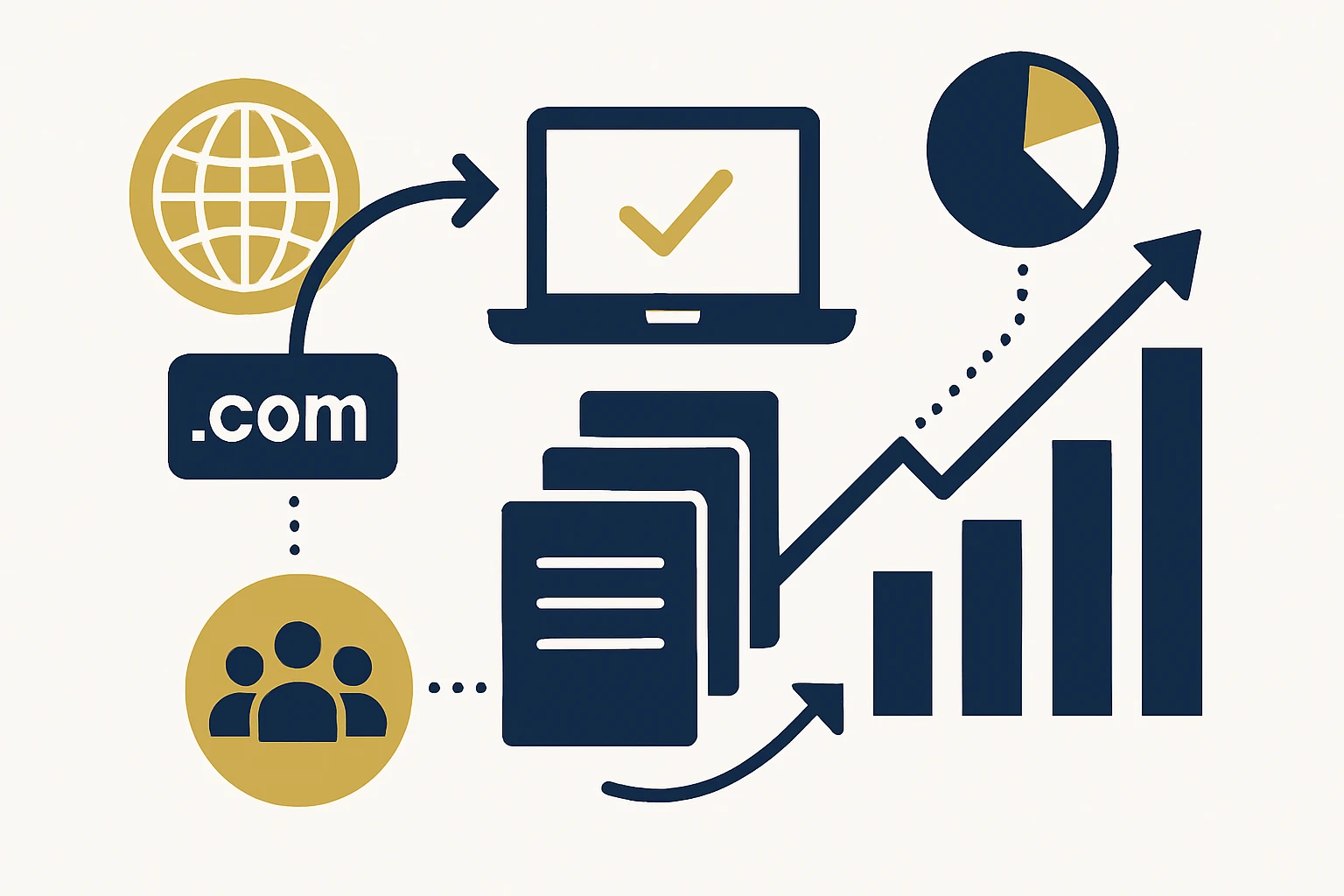
For brands, strategic domain management means aligning every acquisition with business objectives, not chasing a single “perfect” name. The 2025 market data reinforces two truths: (1) demand for memorable, credible, and relevant domain names persists, and (2) the value of a diversified portfolio extends beyond a few vanity assets. Savvy buyers increasingly evaluate domains through a portfolio lens, considering cross-TLD opportunities, renewal risk, and brand-ecosystem fit. This is consistent with observed market behavior where portfolio thinking often outperforms single-name acquisitions over time. Verisign DNIB Q1 2025 (blog.verisign.com)
Long-tail and multi-word domain names have gained traction as practical, memory-friendly brands. Industry analyses show that multi-word and descriptive domains have become a meaningful portion of reported sales, challenging the once-dominant focus on short, elite strings. The takeaway for brand owners is clear: a well-curated mix of premium short domains and strong descriptive names can yield both immediate impact and long-term resilience. Top 100 domain name sales in 2024 (namepros.com)
A practical framework for evaluating premium domains
A robust evaluation framework helps brands separate truly strategic purchases from impulsive bets. Use a multi-criteria scorecard that includes brand alignment, memorability, semantic relevance, potential SEO impact, and portfolio harmony. The following framework is designed to be actionable for in-house teams and for brand-portfolio brokers alike.
1) Brand fit and positioning
- Does the domain clearly reflect the brand’s core offering and value proposition?
- Is the name easy to pronounce, spell, and recall across markets?
- Does it avoid potential misinterpretations or negative associations in key geographies?
2) Memorability and voice
- Is the domain short enough to be memorable, yet descriptive enough to convey intent?
- Does it support your brand voice (professional, playful, authoritative) across channels?
- How does the name perform in voice search or when spoken aloud in a commercial context?
3) Market viability and future relevance
- Is there clear demand or intent associated with the domain’s keywords or concept?
- Do market signals (comps, aftermarket activity, industry trends) support a long-term view?
- What is the projected renewal cost and the risk of market obsolescence?
4) TLD strategy and risk management
- Balance between global reach (generic TLDs like .com, .net) and regional or niche relevance (ccTLDs, brand TLDs like .brand or brand-owned strings).
- Consider potential regulatory or policy changes affecting TLD pricing or availability.
- Assess privacy, data sovereignty, and security implications for your portfolio.
Structured into a three-pillar approach, this framework helps teams evaluate domains through a portfolio lens rather than as isolated purchases. This is especially valuable when planning cross-border brand strategies or global campaigns where consistency and recall matter. Expert insight: experienced practitioners emphasize portfolio thinking and diversification as a core discipline, not a one-off negotiation. The idea is to map domain assets to business objectives and to monitor performance as part of ongoing brand governance.
To operationalize this framework, consider a simple internal exercise: score each candidate domain on a 5-point scale across these criteria, then aggregate scores to identify a shortlist for deeper due diligence. A disciplined approach reduces the risk of strategic misalignment and helps justify investment decisions to governance committees. Limitation and common mistakes below cover practical cautions to avoid over-optimism in the evaluation phase.
Structured block: Domain evaluation blueprint (3-step workflow)
- Step 1 - Clarify strategic intent: Define the business case (revenue channel, brand protection, SEO acceleration) and a target budget range.
- Step 2 - Shortlist and score: Apply a 5-point rubric for brand fit, memorability, SEO potential, and portfolio harmony, pick the top 3–5 for due diligence.
- Step 3 - Validate and decide: Cross-check market signals (comps, aftermarket activity) and confirm confidentiality through NDAs before making offers. If in doubt, engage a broker with a proven track record in premium assets. For due diligence, see the RDAP & WHOIS resources referenced by webatla.
For practical navigation of due diligence and data gathering, consider the resources webatla anchors provide, including their RDAP & WHOIS database for domain ownership transparency and risk assessment. RDAP & WHOIS Database.
Negotiation and acquisition workflow
Acquiring premium domains typically follows a disciplined workflow that protects confidentiality, respects market norms, and aligns with organizational policy. The essential stages include discovery, valuation, offer strategy, due diligence, escrow, and transfer. In practice, successful negotiators deploy:
- Clear price anchors and range-based offers to preserve negotiation flexibility.
- Non-disclosure agreements and confidentiality controls to protect strategic interests.
- Independent valuation checks, including comparable sales data and brand-alignment tests.
- Robust due diligence, including technical feasibility, trademark clearance considerations, and regulatory risk review.
- Secure, reputable escrow and a clean transfer process to minimize friction and risk.
When you need precise data, brokered deals can leverage confidential market signals and structured procurement processes, rather than relying on public listings alone. The goal is to align the offer with both brand strategy and expected lifecycle costs, including renewal economics and potential re-sale value. If you’re evaluating a specific domain family or a set of TLDs, webatla’s Zone resource can help you explore inventories and options in context. webatla Zone (blog.verisign.com)
Portfolio management and risk mitigation
Acquisition is only the first step. A disciplined portfolio governance approach helps ensure the ongoing value of domain assets and reduces renewal risk. Practical governance includes: a renewal-calendar discipline, ongoing risk assessment, and annual portfolio audits that align with brand strategy and market evolution. External guidance emphasizes the importance of structured domain management as a core corporate capability, including maintaining a policy for domain ownership, renewals, and security controls. Domain Management Tips for Domain Investors (dynadot.com)
Key governance practices include:
- Centralized renewal tracking and alerting to avoid lapses in critical assets.
- Regular portfolio audits to prune underperforming or duplicative assets.
- Risk controls around privacy, data protection, and potential disputes.
- Documentation of naming policy, usage rules, and escalation paths for conflicts.
Integrating these practices with brand governance helps ensure that a domain portfolio remains a strategic asset rather than an ungoverned cost. For teams evaluating cost/benefit, research and market commentary suggest that measured, diversified portfolios outperform speculative, single-name bets over the long term.
Limitations, trade-offs, and common mistakes
- Overpaying for a single asset: Prestige and scarcity can drive irrational price expectations. Always anchor on a portfolio plan and a clear cost of capital.
- Underestimating renewal costs: Renewal fees compound across a portfolio, failing to account for long-term costs erodes ROI.
- Misalignment with brand strategy: A memorable name that does not fit the product portfolio or global markets can dilute brand equity.
- Neglecting due diligence: Legal, trademark, or security risks can undermine value after transfer.
- Inadequate governance: Without a centralized policy, assets drift into silos, complicating brand protection and analytics.
In practice, a disciplined, framework-driven approach mitigates these risks. The marketplace continues to reward well-structured portfolios that balance premium assets with descriptive, brand-compatible names, especially when supplemented by active management and confidential deal-making.
Toolkit: quick-start framework and checklist
- Clarify strategic intent and budget
- Identify target domains and create a short list
- Score brand fit, memorability, and SEO potential
- Check market signals and renewal economics
- Engage a broker or advisor with premium-domain experience
- Execute NDA and perform due diligence (legal, technical, regulatory)
- Secure escrow and plan the transfer
- Update governance documents and portfolio metrics
- Set a renewal and re-evaluation cycle
- Document learnings and adjust strategy
For organizations seeking tailored guidance, webatla offers structured guidance on zone inventories and pricing options. Explore their pricing and zone resources, and consider their consolidated data solutions for due diligence and portfolio oversight. webatla Zone (blog.verisign.com)
Conclusion
Premium domain acquisition is a strategic discipline that combines market insight with brand governance and disciplined negotiations. By adopting a portfolio-centric framework, brands can identify opportunities that align with their growth plans, negotiate with discipline, and maintain ongoing stewardship of a valuable digital asset class. In 2026 and beyond, the most successful domain programs will be those that treat domains as integrated elements of brand strategy - complemented by reliable data, confidential processes, and proactive portfolio management. For teams ready to start, the first step is to codify a vision for the domain portfolio and partner with experienced advisers who can translate that vision into actionable, measurable outcomes.