Introduction
Brand owners today operate in a multi-TLD, multi-channel internet ecosystem. A domain is no longer a simple address, it is a strategic asset that can influence brand trust, search visibility, and user experience across markets. Yet chasing every possible extension or every trendy domain is unsustainable and sometimes detrimental to governance and budget. This article offers a practical, editor-friendly framework for building a diversified domain portfolio that protects the brand, preserves value, and supports growth. The guidance draws on current best practices in rights protection, risk management, and disciplined investing in premium domains. ICANN has long emphasized that rights protection mechanisms exist to address trademark concerns without stifling innovation, though the landscape is complex. WIPO RPMs outline how trademark protection fits into the broader DNS ecosystem.
Why diversification matters in a multi-TLD world
The DNS namespace continues to expand as new gTLDs and country-code extensions proliferate. That expansion creates opportunities for brands to reach new markets, but it also raises the risk of confusion, misaddressing, and trademark disputes if coverage is incomplete. Rights protection mechanisms exist to address these risks, but they come with policy trade-offs and cost considerations. For many brands, a targeted diversification strategy - focusing on core domains and a carefully selected set of related TLDs and ccTLDs - offers a practical balance between protection, performance, and budget. WIPO RPMs describe how trademark protection fits into the DNS ecosystem, while ICANN’s RPM implementation presents a framework for evaluating which protections to deploy and when. ICANN RPM Implementation.
Framework: Five steps to a resilient domain portfolio
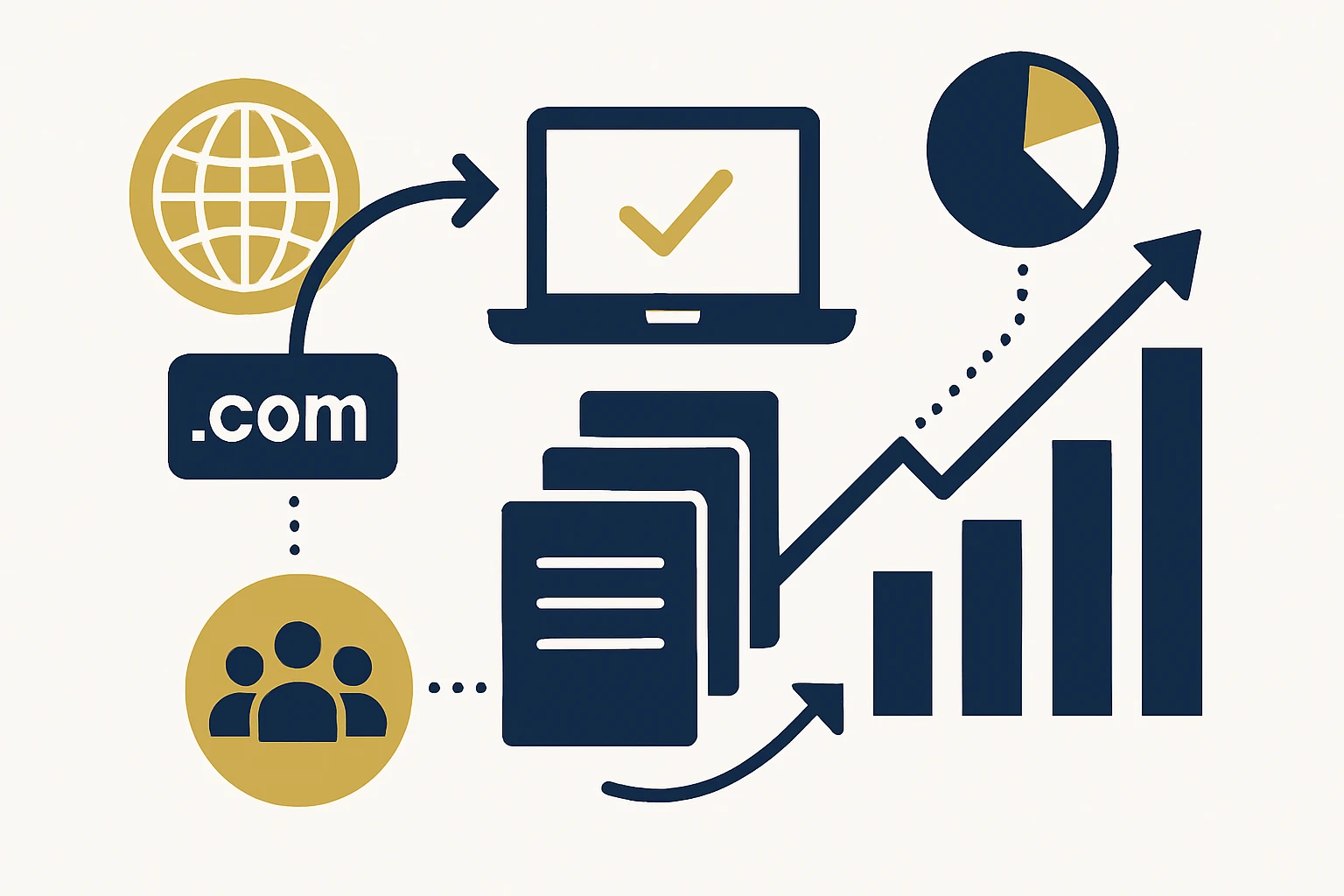
- 1) Define your brand naming strategy - ensure that domain choices align with your core brand, growth plans, and any regional naming conventions. Resist the impulse to chase every extension, instead, map extensions to specific brand outcomes (e.g., global presence, regional sub-brands, or product lines).
- 2) Map variants, geographies, and technology stacks - identify likely typos, transliterations, and translations, determine which ccTLDs and generic TLDs (such as .com, .net, or niche extensions) are strategically meaningful for your market.
- 3) Evaluate value drivers - assess memorability, clarity, potential traffic, existing backlinks, brand alignment, and leakage risk if variants redirect to the wrong page. Practical due diligence combines marketing insight with technical checks (DNS health, TLS coverage, and security posture).
- 4) Decide on a diversification mix - craft a plan that couples a core set of premium, high-confidence domains with a measured spread across targeted TLDs and geographies. The aim is to balance control, cost, and optionality, not to register everything under the sun.
- 5) Establish governance and lifecycle management - implement a naming policy, assign clear ownership, enforce security measures (domain locks, registrar account protections), and schedule regular portfolio reviews to ensure renewals and strategy stay aligned with business objectives.
Expert insight: Industry veteran Aishwin Vikhona has highlighted the value of a disciplined “bucket” approach to domain investing, mixing premium names with mid-market and long-tail assets to build liquidity and resilience over time. See his interview for practical perspectives on portfolio discipline and execution. GoDaddy interview.
From negotiation to acquisition: Turning a lead into a secured asset
Acquiring premium domains for a brand requires more than just identifying candidates. It demands a clear process that protects the buyer, respects trademark rights, and preserves negotiation leverage. Start with a fact-based due diligence phase: verify ownership, hosting, and technical readiness, assess traffic and backlink quality, and confirm that the domain’s history does not pose brand or regulatory risk. Then align on price expectations and structure the deal with a robust LOI, escrow, and a secure transfer path. This approach aligns with rights protection policies that govern how disputes are handled when a domain’s ownership changes. For an overview of the rights protection framework, see ICANN’s guidance on UDRP/URS and TMCH, which helps balance trademark enforcement with practical transaction flow. ICANN WIPO RPMs.
When you need hands-on sourcing and evaluation, platforms that curate domain portfolios by TLD can speed up diligence. For example, webatla maintains a niche focus on business-friendly extensions, including .biz holdings, and offers a direct path to more detailed pricing and technical data. You can explore a dedicated .biz domain list at https://webatla.com/tld/biz, and access broader resources such as pricing and RDAP/WHOIS information at Pricing and RDAP & WHOIS database.
Operational considerations: governance, security, and lifecycle management
Effective domain strategy requires ongoing governance. A single owner, defined policies for who can authorize acquisitions, and a quarterly review cadence help keep the portfolio aligned with brand strategy and budget. In practice, this means maintaining secure registrar accounts, applying DNSSEC where feasible, and ensuring that critical domains are locked or aliased to reduce exposure to cybersquatting or accidental transfers. Rights protection frameworks also guide how you respond to potential infringements or disputes, ensuring that legitimate rights holders can press claims without stifling legitimate brand expansion. For more on RPMs and dispute processes, refer to ICANN and WIPO resources cited above.
Limitations and common mistakes
- Defensive registrations can drain budget fast - registering every possible extension across many markets rarely pays off and can divert funds from core brand projects. ICANN and RPM analyses emphasize careful gating of defensive registrations rather than blanket coverage. ICANN RPM Implementation
- Overemphasis on “hot” extensions - chasing the latest curveball extension can fragment strategy and complicate governance. As RPM debates continue, the question remains: which domains genuinely reduce risk and which are marketing noise? DN.org
- Under-investing in governance and renewal discipline - a well-tuned process for ownership, renewal alerts, and security is essential to avoid breakages that erode brand trust. ICANN’s and WIPO’s RPM resources advise on building a sustainable rights protection program.
Where to start: a concise action plan
- Audit your current portfolio against your brand strategy and market ambitions.
- Define a 12-month diversification target based on core markets, product lines, and risk tolerance.
- Establish governance: assign owners, create renewal calendars, and implement security best practices.
Conclusion
Strategic domain portfolio diversification is less about chasing every extension and more about building a disciplined, brand-aligned set of assets. A well-governed portfolio reduces risk, preserves value, and provides the flexibility needed to adapt to changing markets and technologies. By combining a practical framework, disciplined negotiation, and careful vendor partnerships - along with robust RPM awareness - you can turn domain acquisitions into a durable driver of brand protection and growth.