Strategic Country-Domain Asset Mapping for Global Brands (AT/ID/HU)
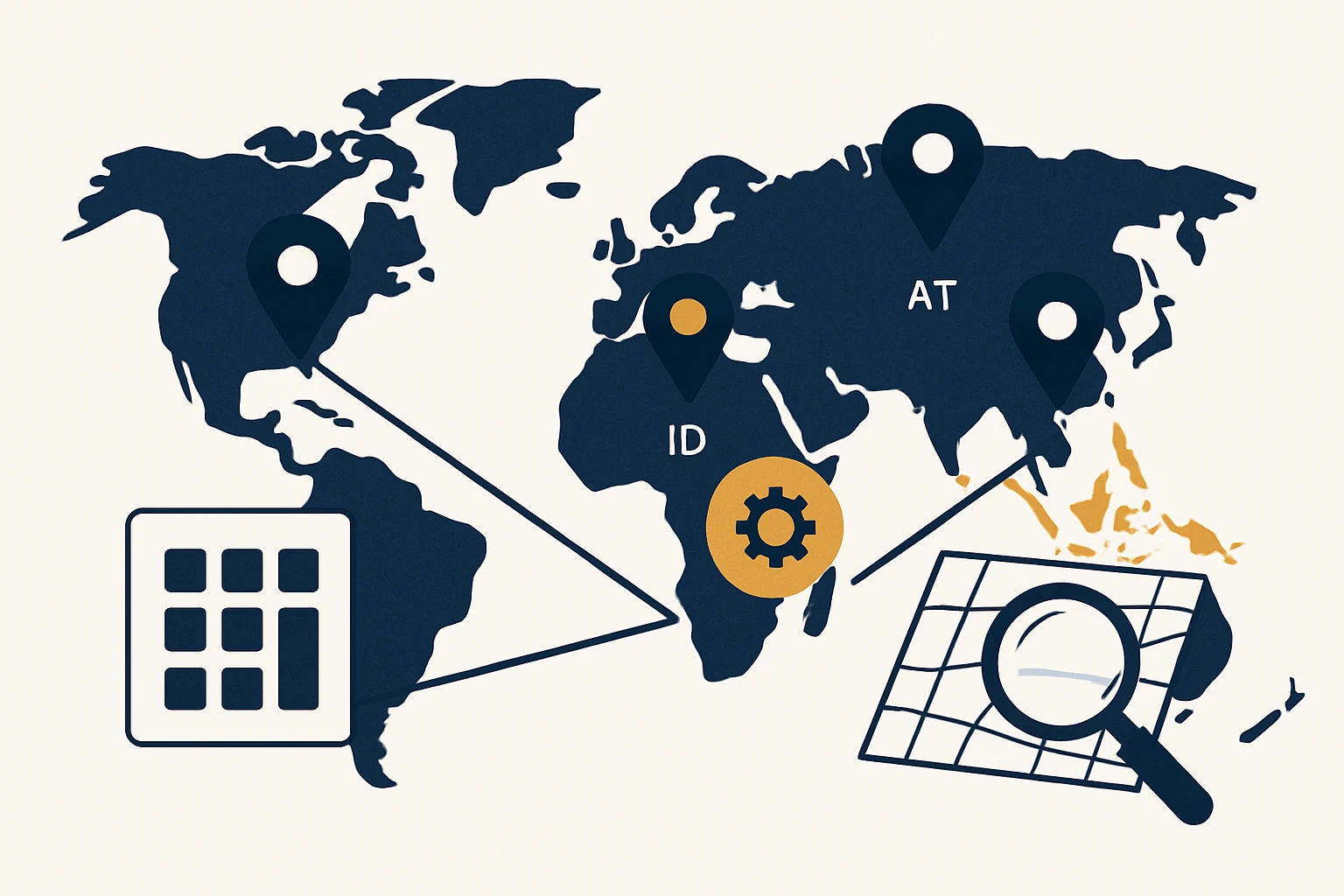
Global brands do not just sell products, they build regional trust, partner ecosystems, and compliant digital presences. A robust country-domain asset strategy helps brands anchor in local markets while preserving brand integrity across borders. This article outlines a practical, non-promotional playbook for mapping, acquiring, and protecting country-code domains in three strategic markets: Austria (AT), Indonesia (ID), and Hungary (HU). The goal is a disciplined asset map that supports regional growth, risk management, and brand protection - without overreliance on any single registry or marketplace.
To ground the discussion in real-world logistics, consider how country-code registries operate in these markets. In Austria, the .at namespace is managed by nic.at, a central registry that coordinates registration policies and authentication for .at, co.at, and .or.at domains. In Indonesia, .id is governed by PANDI (Pengelola Nama Domain Internet Indonesia), which oversees registry operations and requires registrants to go through accredited registrars. In Hungary, the .hu namespace is regulated by ISZT Nonprofit Kft. (Registry) with Domain.hu serving as a key registrar and advocate for domain policy. Each market has its own procedural nuance, which litigation and procurement teams must respect when building a cross-border portfolio. nic.at, PANDI, Domain.hu offer authoritative overviews of how registrations are processed in their respective countries.
References to official registries provide the best guardrails for a compliant approach. Austria’s registry information and procedures are published publicly, and practical guidance is available through nic.at and the Austrian registry ecosystem. Indonesia’s PANDI site outlines the registrant path via accredited registrars, and Hungarian operations are documented by Domain.hu as well as ISZT’s oversight. These sources help shape a framework that respects local rules while enabling a defensible, confidential acquisition process. nic.at, PANDI, Domain.hu provide dependable, country-specific context for decision-makers.
Why Country-Code Domains Matter for Regional Strategy
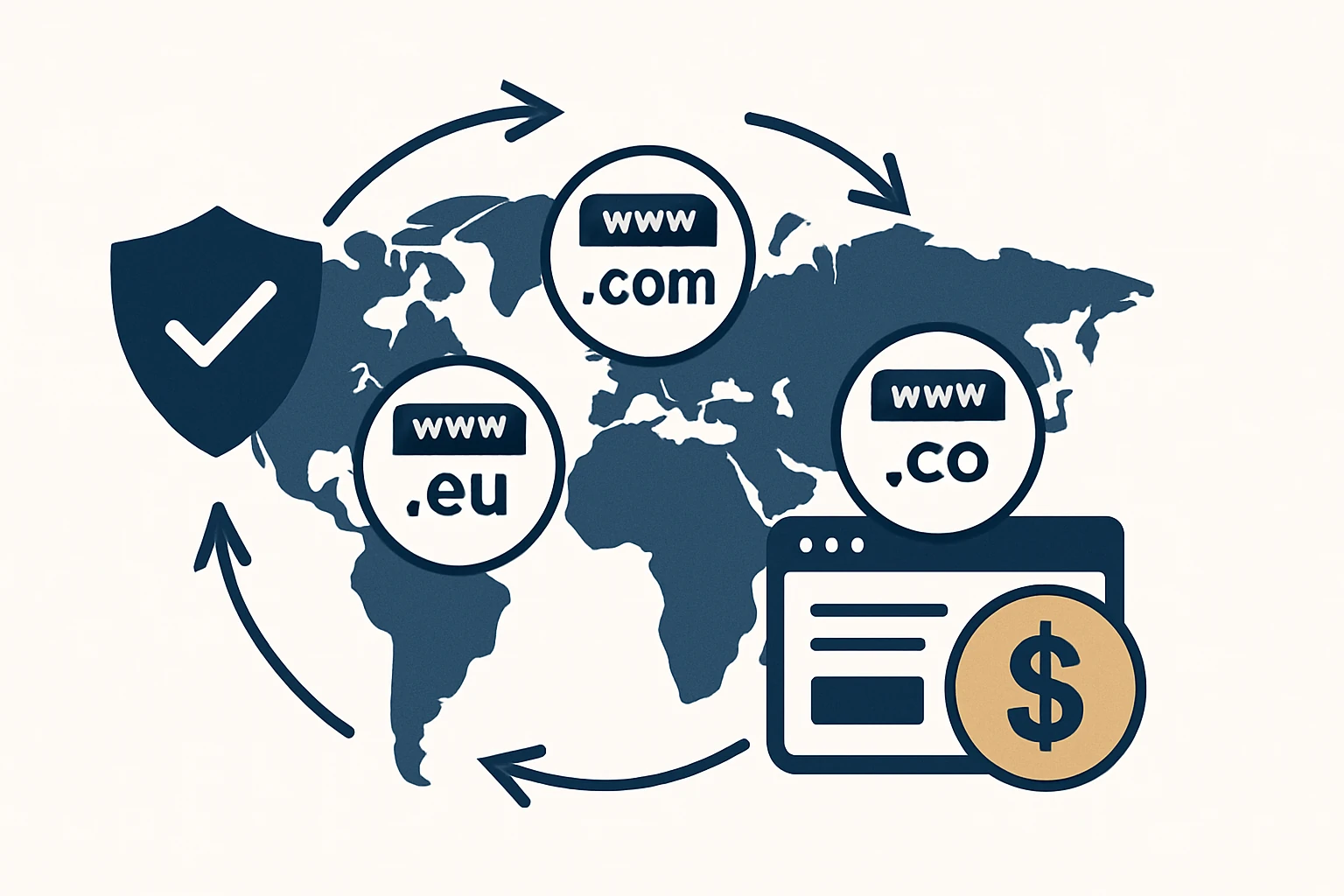
Country-code top-level domains (ccTLDs) remain a cornerstone of local-first branding and search experience. They signal relevance to local audiences, support country-specific SEO signals, and bolster regulatory compliance in sensitive markets. For multinational brands, a disciplined ccTLD strategy reduces the risk of misaligned regional domains, deters cybersquatting, and supports brand-protection goals across markets.
Austria (.at) is a gateway to a German-language market with strong privacy and consumer protection norms. Indonesia (.id) represents one of Southeast Asia’s fastest-growing digital economies, with an active registrar ecosystem and a policy framework that emphasizes legitimate ownership and registry governance. Hungary (.hu) sits at the heart of Central Europe’s digital economy, where regulatory alignment and local registrar networks shape how brands secure and manage domain assets. Each market demonstrates that ccTLDs are not merely address labels, they’re strategic assets that require local literacy and governance discipline. nic.at, PANDI, Domain.hu illustrate how registries and registrars structure access to these assets.
Framework for Discovery, Acquisition, and Protection
To turn ccTLDs into a measurable strategic advantage, adopt a lightweight but rigorous framework that teams can apply across markets. The following four-step framework aligns with how registries operate in AT, ID, and HU, while keeping a confidential posture suitable for brand portfolios.
- Discover - identify candidate domains that align with brand strategy, regional naming conventions, and product lines. Use market-specific keyword intent and addressability concerns to shortlist candidates that strengthen a brand’s regional footprint.
- Validate - conduct due diligence on registrant status, registrar relationships, DNS health, and potential regulatory constraints. In Austria, registrations go through registrars via nic.at, in Indonesia, registrants go through PANDI-accredited registrars, in Hungary, the registry operates through ISZT with Domain.hu as a key channel. This separation helps protect against misregistrations and domain squatting. nic.at, PANDI, Domain.hu provide official perspectives on the process.
- Acquire - execute through approved local channels. A core insight from Hungarian practice is that registries do not engage directly with registrants, acquisitions happen via accredited registrars, which emphasizes the importance of selecting trusted local partners. Domain.hu summarizes this operational reality.
- Protect - implement brand-protection protocols, DNS security, and registry-compliant transfer controls. Protection extends beyond initial registration to ongoing stewardship, including registrar redress mechanisms and domain-name dispute policies.
Practical Steps for a Tri-Country Asset Inventory (AT, ID, HU)
In practice, building an asset inventory for AT, ID, and HU requires cross-functional collaboration - legal, compliance, IT, and brand teams must align on governance, data handling, and renewal risk. The following practical steps convert the framework into action, with country-specific considerations anchored by official registry guidance.
- Define scope and governance - decide which brand assets, product lines, and regional markets will be supported by ccTLDs. Establish ownership, renewal cadence, and escalation paths for registrar disputes or ownership disputes. This governance foundation mirrors real-world registry practices in each country: Austria’s nic.at ecosystem, Indonesia’s PANDI system, and Hungary’s ISZT-Domain.hu framework guide these decisions. nic.at, PANDI, Domain.hu offer entry points for understanding local governance.
- Engage reputable local registrars - since registries typically do not sell directly to registrants, partner with accredited registrars who understand local rules, language, and dispute channels. The Hungarian registry explicitly notes that the registry does not contract directly with registrants, underscoring the registrar-led model in practice. Domain.hu illustrates this dynamic.
- Assess data privacy and compliance - ensure data-handling practices respect local and regional privacy norms, especially in EU markets where GDPR governs personal data. While the registries themselves focus on name-ownership mechanics, your due diligence should cover registrar data practices and any country-specific consent requirements.
- Continuous risk and renewal management - maintain a dashboard of renewal dates, risk flags (e.g., voicing challenges or disputes), and contingency plans for critical domains. Portfolio management is a core discipline when dealing with multiple ccTLDs across borders.
Expert Insight and Common Pitfalls
Expert insight: In Hungary, the registry ISZT Nonprofit Kft. regulates the .hu namespace, with Domain.hu acting as a bridge between registrars and the registry. This structure emphasizes that national domain governance relies on a trio of actors: registrant, registrar, and registry - each with clear responsibilities. This separation helps protect brand owners by providing registrar-mediated processes and dispute resolution channels that are aligned with local practice. Domain.hu and the ISZT framework illustrate how this ecosystem operates in practice.
Limitation and common mistake: A frequent pitfall in cross-border ccTLD strategies is assuming registries publish a comprehensive, universal list of registered domains. In reality, registries typically provide governance and policy information rather than publicly accessible registrant lists. For example, Domain.hu’s materials underscore that the registry communicates with registrars rather than directly with individual registrants, which means a truly confidential portfolio requires trusted registrar relationships and formal internal governance to avoid privacy and security risks. Domain.hu.
Structured Framework - Quick Reference at a Glance
Use this condensed framework as a quick reference when evaluating ccTLD opportunities in AT, ID, and HU. It’s designed to be practical for in-house teams and external advisors alike.
- Discover - shortlist domains that align with regional brand strategy.
- Validate - confirm registrar, DNS health, and regulatory fit (AT via nic.at, ID via PANDI, HU via ISZT/Domain.hu).
- Acquire - execute through accredited local registrars, avoid direct registry deals unless explicitly offered by the registry.
- Protect - implement DNS security, renewal controls, and dispute-ready pathways.
Limitations, Trade-offs, and Best Practices
Any cross-border ccTLD strategy involves trade-offs between speed, cost, and local governance clarity. A few practical realities to keep in mind:
- Local governance matters: Registries rely on registrars to execute registrations. This model protects consumers but adds a layer of coordination for brands that want rapid expansion. See Austria’s registry ecosystem (nic.at) and Hungary’s Domain.hu framework for concrete illustrations of this pattern. nic.at, Domain.hu.
- Confidentiality requires disciplined partnering: Because registries do not engage directly with registrants in many markets, your vendor due diligence must focus on registrar qualifications, security practices, and contractual protections to preserve confidentiality.
- Publicly available lists are limited: There is no universal, openly published master list of all country-domain registrations. Ethical asset discovery relies on trusted registrars, partner data feeds, and market intelligence that respects privacy and compliance norms. This reality informs how you assemble a credible asset inventory rather than relying on ad-hoc scrapes or non-official datasets.
Client-Driven Integration: How webatla Supports Cross-Border Domain Portfolios
For global brands seeking to operationalize a cross-border ccTLD strategy, it helps to anchor the work in a trusted advisory and brokerage framework. webatla’s services focus on confidential domain acquisition, portfolio management, and strategic asset protection, offering a structured approach that complements in-country registry governance. The client’s Austria-focused page and broader country-directory pages illustrate how a regional portfolio can be managed with a consistent governance model across markets. webatla Austria domain portfolio • webatla TLD directory • webatla country inventories.
Conclusion: A Practical Path to Resilient, Regional Domain Portfolios
Strategically mapping ccTLD assets for AT, ID, and HU is not about collecting domains, it is about building a resilient digital asset layer that supports regional growth while protecting brand equity. By aligning discovery, validation, acquisition, and protection with local registry practices - and by partnering with trusted registrars in each market - brands can achieve a balanced, confidential, and legally sound domain portfolio. This approach reduces governance risk, lowers the chance of cybersquatting, and creates a scalable framework for future regional expansion. For brands seeking a thoughtful, governance-aware pathway to regional domain assets, partnering with a specialist in digital asset advisory and domain portfolio management can translate this framework into concrete, value-driven outcomes. For more on how a dedicated advisor can help you navigate AT, ID, and HU domains, explore webatla’s country and TLD resources as a practical starting point.