Introduction: The risk of relying on a single domain extension
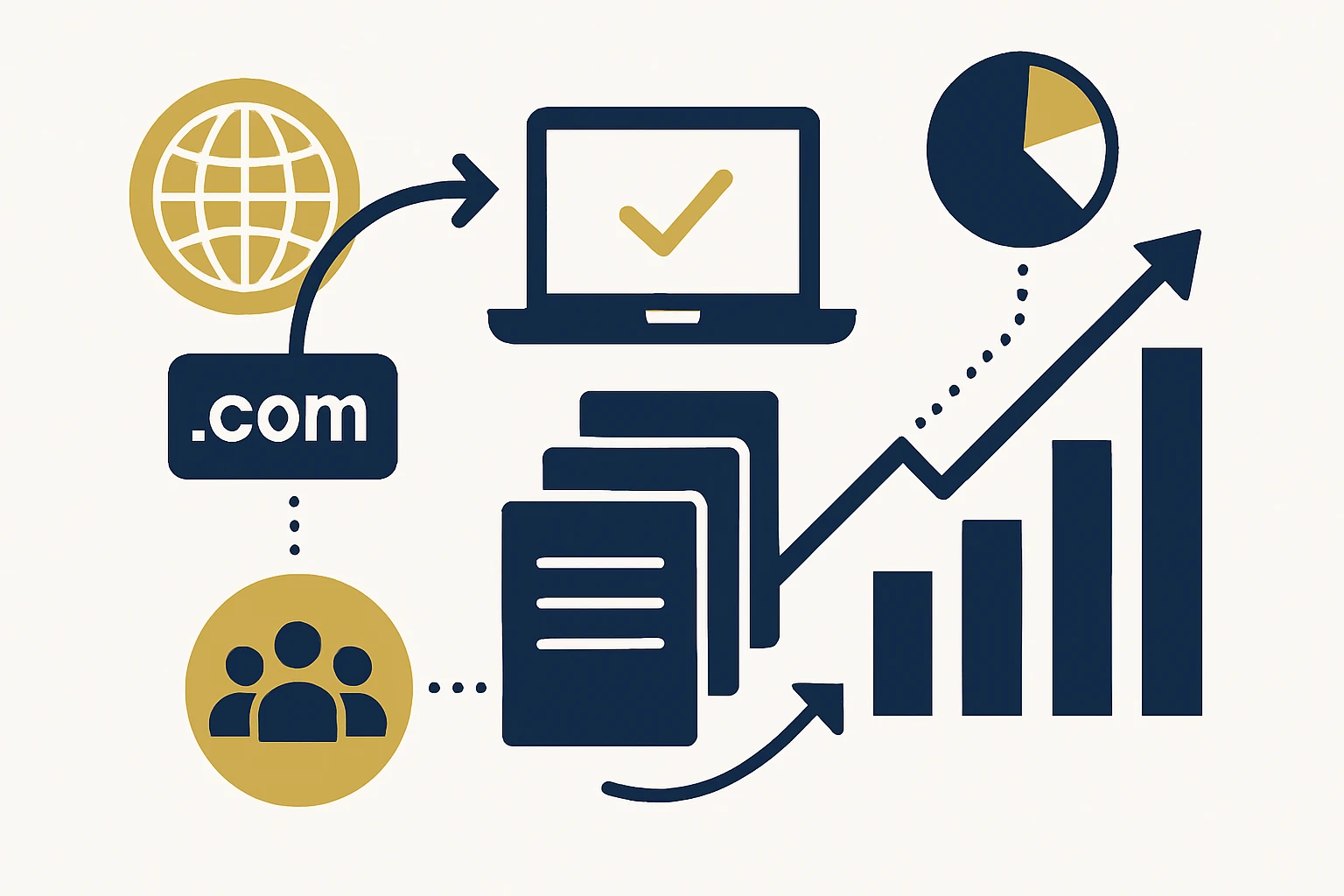
As brands scale globally, the domain namespace expands, presenting both opportunity and risk. Relying on a single extension - especially the ubiquitous .com - can leave a brand vulnerable to cybersquatting, confusion in local markets, and eroding trust. A deliberate TLD portfolio built around all domain extensions list is a strategic asset that supports marketing, risk management, and regulatory compliance. This piece outlines a practical approach to evaluating domain extensions and building a resilient portfolio that aligns with enterprise goals.
ICANN's New gTLD Program was developed to increase competition and choice in the domain name space. Hundreds of new strings have been delegated and continue to be added to the domain name system. About the program. (newgtlds.icann.org)
Understanding the domain landscape: from .com to all domain extensions
The modern domain ecosystem comprises several distinct categories of extensions. Generic top-level domains (gTLDs) offer branding opportunities beyond .com, while country-code top-level domains (ccTLDs) enable precise geographic targeting. In addition, brand TLDs - extensions owned and operated by a brand itself - are increasingly discussed as a governance and protection mechanism for digital assets. A broad all domain extensions list can help brands map market expectations, user perception, and regulatory compliance across regions.
ICANN, the global regulator of the domain name system, oversees the pool of top-level domains, including .com and others, and plays a central role in how new extensions are introduced and managed. Britannica describes ICANN as the organization that oversees top-level domains, DNS, and trademark disputes, underscoring the governance layer that makes a multi-extension strategy possible. (britannica.com)
ICANN’s own overview of the New gTLD Program emphasizes how the program expanded the namespace to increase competition and choice, with hundreds of new strings delegated and more to come. This expansion creates both opportunities for branding and complexities around governance, renewal, and security. (newgtlds.icann.org)
Key categories in the domain extensions list
- Generic top-level domains (gTLDs) such as .shop, .app, or industry-specific extensions
- Country-code top-level domains (ccTLDs) such as .us, .de, .fr for precise market reach
- Brand TLDs that a company operates to centralize naming and enforcement
Brand protection considerations are at the heart of modern TLD strategy. Brand TLDs offer a controlled namespace that can reduce cybersquatting risk and improve user trust by ensuring all official domains derive from a single, verifiable source. This approach also enables stronger enforcement and standardized security policies across digital properties. (dn.org)
For more context on how such protections fit into overall governance, ICANN’s broader mandate and the role of DNS in everyday web use provide a useful backdrop. (britannica.com)
A practical framework for selecting TLDs: turning a list into a portfolio
Building a resilient TLD portfolio begins with clear objectives and a disciplined framework. Below is a pragmatic structure designed to help brand teams evaluate all domain extensions list against business goals, risk tolerance, and budget constraints. The framework balances editorial and product considerations with a realistic view of the costs and operational burden associated with a broad TLD footprint.
Structured decision framework
- Step 1 - Define objectives and audience: Clarify which markets, languages, and product lines require dedicated TLDs to support local campaigns, regulatory compliance, or user trust.
- Step 2 - Inventory relevant extensions: Compile all domain extensions that align with brand strategy, including gTLDs, ccTLDs, and potential brand TLDs that could be pursued later.
- Step 3 - Evaluate risks and fit: Assess cybersquatting exposure, legal enforceability, and technical compatibility, along with potential SEO implications and user perception concerns.
- Step 4 - Plan phased acquisition and protection: Develop a phased approach to acquiring and defending critical extensions, prioritizing those with highest risk and highest business value.
- Step 5 - Govern and monitor: Establish a governance model, renewals calendar, and monitoring controls to maintain a coherent, defensible portfolio over time.
Within this framework, it’s helpful to view the domain landscape not as a single decision but as an ongoing program. A disciplined portfolio view supports consistent brand experiences across campaigns and geographies, rather than ad hoc registrations that can fragment brand identity.
Operational playbook: acquiring, protecting, and maintaining a multi-extension brand footprint
Acquiring and managing several domain extensions requires a blend of strategic negotiation, risk assessment, and technical discipline. A practical playbook includes the following elements:
- Strategic acquisition planning: Prioritize extensions that directly support core geographies, languages, or product lines, and align with brand naming conventions.
- Confidential domain acquisition practices: When competitive dynamics are high, consider discreet negotiations and gatekeeping approaches to protect strategic timing and pricing.
- Brand protection and enforcement: Leverage a governance framework to monitor new extensions, enforce trademark rights, and coordinate takedown workflows when necessary.
- Technical and security controls: Implement policy-based DNS configurations, MFA for registrar access, and DNSSEC where feasible to strengthen the integrity of the portfolio.
- Operational metrics and ROI: Track renewal rates, portfolio maintenance costs, and the incremental value of each extension to marketing and compliance programs.
In practice, enterprises often rely on a combination of services to manage this complexity - ranging from strategic consulting to active domain portfolio management and, where appropriate, confidential acquisition services. For teams that want to explore available extensions and compare options, webatla offers a centralized view of domain extensions and related services via its catalog: List of domains by TLDs. Users can also review pricing and other data at Pricing and access ownership data through RDAP & WHOIS Database.
Limitations, trade-offs, and common mistakes
While a multi-extension strategy offers resilience, it also introduces complexity and cost. Below are key limitations and common missteps to avoid when building a TLD portfolio:
- Over-indexing on extensions without clear business objectives can waste budget and dilute governance. Prioritize extensions with direct user impact or regulatory relevance.
- Underestimating renewal costs and administrative overhead across dozens of domains can erode ROI over time.
- Relying on a single extension for all branding needs can leave a brand exposed to cybersquatting and misalignment across markets.
- Underutilizing brand protection tools or neglecting ongoing monitoring can lead to increased risk of impersonation or infringement.
- Assuming all TLDs provide a direct SEO boost, most SEO benefits come indirectly from relevance, quality content, and user trust, rather than from the extension itself.
A disciplined approach to governance helps mitigate these risks. For organizations evaluating all domain extensions list, maintaining an accountable ownership and renewal model - paired with a clear decision framework - can dramatically improve brand safety and digital maturity. For teams seeking a ready-made reference point to explore extensions while maintaining oversight, webatla’s directory is a practical starting point: List of domains by TLDs.
Conclusion: treat domain extensions as a strategic asset, not a compliance checkbox
The expansion of the domain namespace presents both opportunity and risk for modern brands. By treating domain extensions as strategic assets - carefully selecting, acquiring, and governing a portfolio across all domain extensions list - organizations can improve market reach, bolster brand protection, and create a scalable framework for digital asset management. The governance and enforcement considerations that underpin a robust TLD strategy are not optional add-ons, they are essential components of a brand’s digital resilience. As ICANN’s New gTLD Program and related governance models continue to evolve, a disciplined portfolio approach will help brands stay ahead of risk while unlocking the potential of the full domain extension landscape. If you want to explore the broader extensions catalog or related data, you can consult webatla for an editorial, non-promotional view of the available TLDs and their implications for brand strategy: List of domains by TLDs, Pricing, and RDAP & WHOIS Database.