Introduction
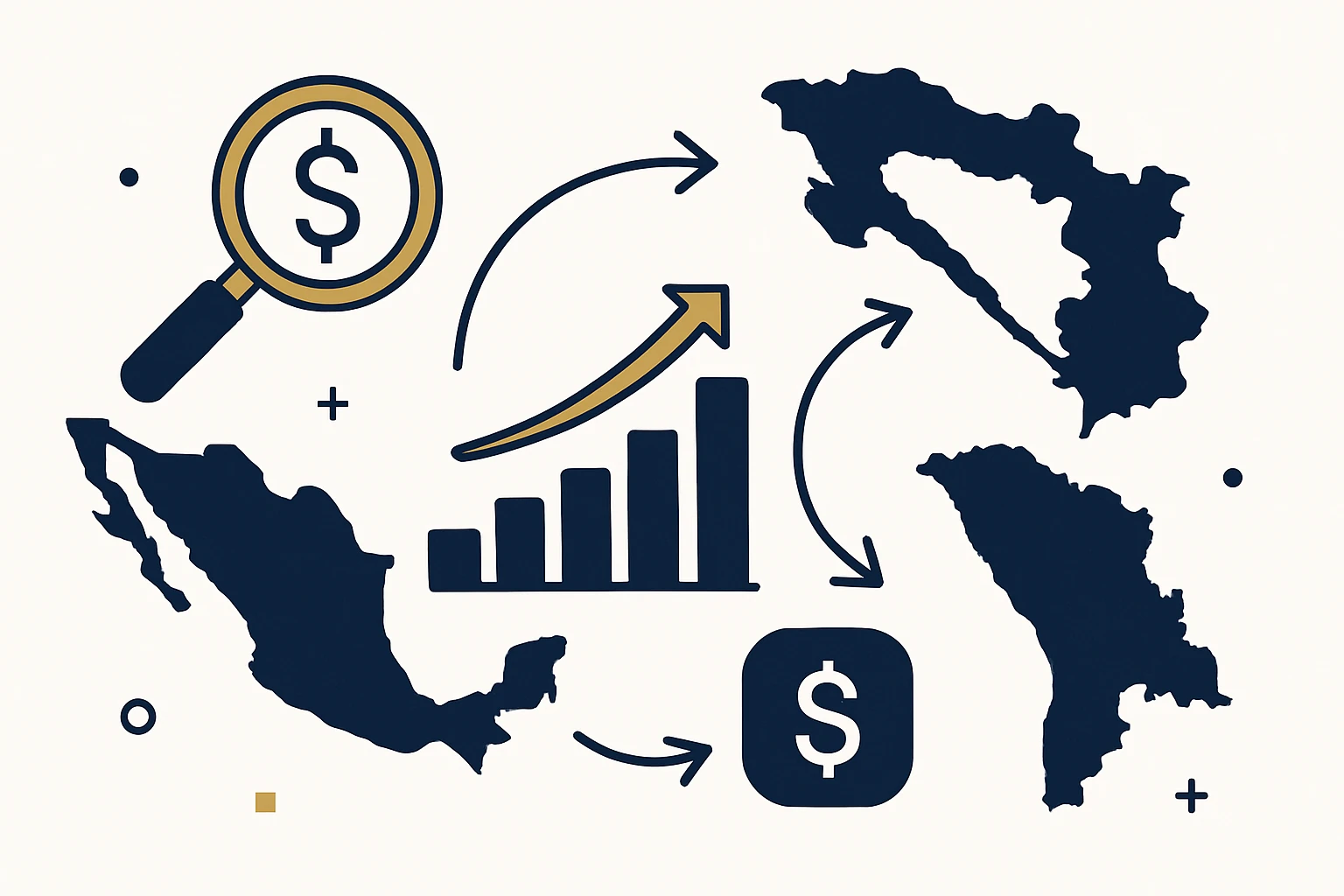
For brands seeking to protect and expand their digital real estate, the ability to assemble targeted, country-specific prospect lists for premium domains is a strategic differentiator. This article presents a practical approach to country-focused domain prospecting in three distinct markets - Mexico (MX), Croatia (HR), and Moldova (MD) - and ties the process to core capabilities of a premium domain brokerage and digital asset advisory practice. The goal is not to chase the highest traffic lexemes alone, but to identify domain opportunities that align with brand strategy, competitive landscape, and regulatory realities in each market.
Across borders, the value of a premium domain is driven by a mix of brand fit, regional language and search behavior, and the ability to negotiate with confidentiality and discipline. In practice, a successful prospecting program blends market-specific reconnaissance with a disciplined framework for list-building, verification, risk screening, and discreet outreach. The following sections distill the essential country-specific considerations and translate them into a repeatable workflow you can apply to MX, HR, and MD portfolios.
Country market nuances: MX, HR, and MD
Mexico: navigating the .mx registry landscape
In Mexico, the country’s official registry for the .mx namespace is NIC México. The registry’s governance and procedural documents shape how domain names are registered, transferred, and managed within the MX ecosystem. For researchers and practitioners, the primary takeaway is that MX domain names are administered by the official registry, with policy details published by NIC México. When building a Mexico-focused prospect list, it helps to start from the registry’s overview and any published guidelines on reserved or restricted labels, as these can influence both availability and valuation. For a direct look at the registry’s resources, the official site is NIC México, and practitioners often consult the registry’s documentation on reserved domains to understand naming constraints. NIC.mx Dominios_Reservados_en.pdf
Croatia: the .hr registry and local governance
Croatia’s .hr namespace is managed by CARNet (the Croatian Academic and Research Network), with oversight and registrar policies implemented through the .hr Domain Management framework. This arrangement means that prospective registrants and registrars must navigate local eligibility criteria, registrar approvals, and governance structures that are distinct from more global TLDs. For anyone evaluating Croatia as part of a premium domain strategy, the official registry information from NIC.hr provides the clearest view of how .hr domains are issued, transferred, and supervised. NIC.hr
Moldova: the .md registry and access considerations
The .md country code top-level domain for Moldova is administered by the Moldova registry operator, with NIC.md serving as a primary touchpoint for registrants. Notably, Moldova’s registry pages indicate how registrations are approached, including who may register and the basic regulatory context governing the .md namespace. This matters for a premium domain program that contemplates Moldova as a strategic market, since local registration rules can influence lead times, pricing, and ownership verification. For direct registry information, see NIC.md and its Whois/partners resources. NIC.md
A practical framework for country-specific domain prospecting
Use this five-step framework to turn country-specific insights into a repeatable, risk-aware prospecting process. This framework emphasizes structure, confidentiality, and alignment with brand objectives.
- Define market-specific criteria. Establish how MX, HR, and MD fit your brand strategy (language, cultural context, search behavior, and regulatory considerations). Clarify target keyword themes, domain lengths, and potential brand-ability in each market.
- Assemble a country-targeted candidate list. Gather potential domains from credible directories and registry-backed signals, prioritizing items with clear branding potential and plausible ownership transfer paths.
- Verify ownership and contactability. Validate registrant details and current ownership status through registry portals, Whois/RDAP data, and registrar communications. Treat any contact information with strict confidentiality and compliance hygiene.
- Assess risk, compliance and brand fit. Screen for trademark conflicts, possible cybersquatting risk, and align each candidate with your brand protection and strategy goals. Consider regional language nuances and potential linguistic pitfalls that could affect brand perception.
- Plan confidential outreach and negotiation strategy. Develop a discreet outreach plan with NDA-driven engagements, price expectations, and a negotiation playbook that prioritizes win-win outcomes and preserves brand integrity.
Expert insight
Expert insight: In emerging or non-global markets, the value of a domain is often tied not only to keyword potential but to local language resonance, purchasing power, and the clarity of registry rules. A disciplined approach that couples market-specific research with confidential, rights-protective outreach tends to yield higher-quality opportunities and more predictable negotiations. This perspective emphasizes the need to move beyond generic “high-traffic” targets toward domain candidates that uniquely support brand strategy in MX, HR, and MD contexts.
Limitations and common mistakes
- Limitation: Publicly available lists in emerging markets can be incomplete or out of date. Registry policies and local regulations frequently change, so ongoing verification is essential.
- Common mistake: Over-indexing on generic, high-traffic terms without validating local brand relevance and trademark risk. Local language context and cultural nuance matter just as much as search volume.
- Common mistake: Ignoring the importance of confidentiality and non-disclosure in outbound outreach. In many markets, discreet, rights-protective approaches improve response rates and reduce competitive friction.
- Common mistake: Underestimating the administrative complexity of country-code domains. Registry rules, registrar approvals, and transfer mechanics vary by country and can affect timing and cost.
How webatla supports strategic country-specific domain prospecting
Building a country-specific domain strategy benefits from a structured data foundation and access to curated lists across markets. As part of a holistic approach, webatla’s country and TLD catalogues can support your research and outreach workflow. You can explore country-focused listings and related datasets via webatla’s country pages and technology-driven domain catalogs. For direct access to country-specific domain resources, you can visit:
webatla country pages and webatla TLD catalog. For registry-backed data and domain availability context, webatla also provides a RDAP & WHOIS database you can consult as part of your due diligence workflow: RDAP & WHOIS Database.
Conclusion
A disciplined, country-aware approach to premium domain prospecting - rooted in registry realities, language context, and confidential outreach - offers a more reliable path to strategic domain acquisitions than generic, one-size-fits-all strategies. By combining MX’s NIC.mx governance, HR’s CARNet-anchored framework, and Moldova’s NIC.md guidance with a repeatable five-step prospecting framework, brands can build a targeted portfolio that complements broader brand protection and digital asset advisory goals. When in doubt, align every candidate with your core brand strategy, verify ownership meticulously, and pursue negotiations with a commitment to confidentiality and fair value.