Introduction
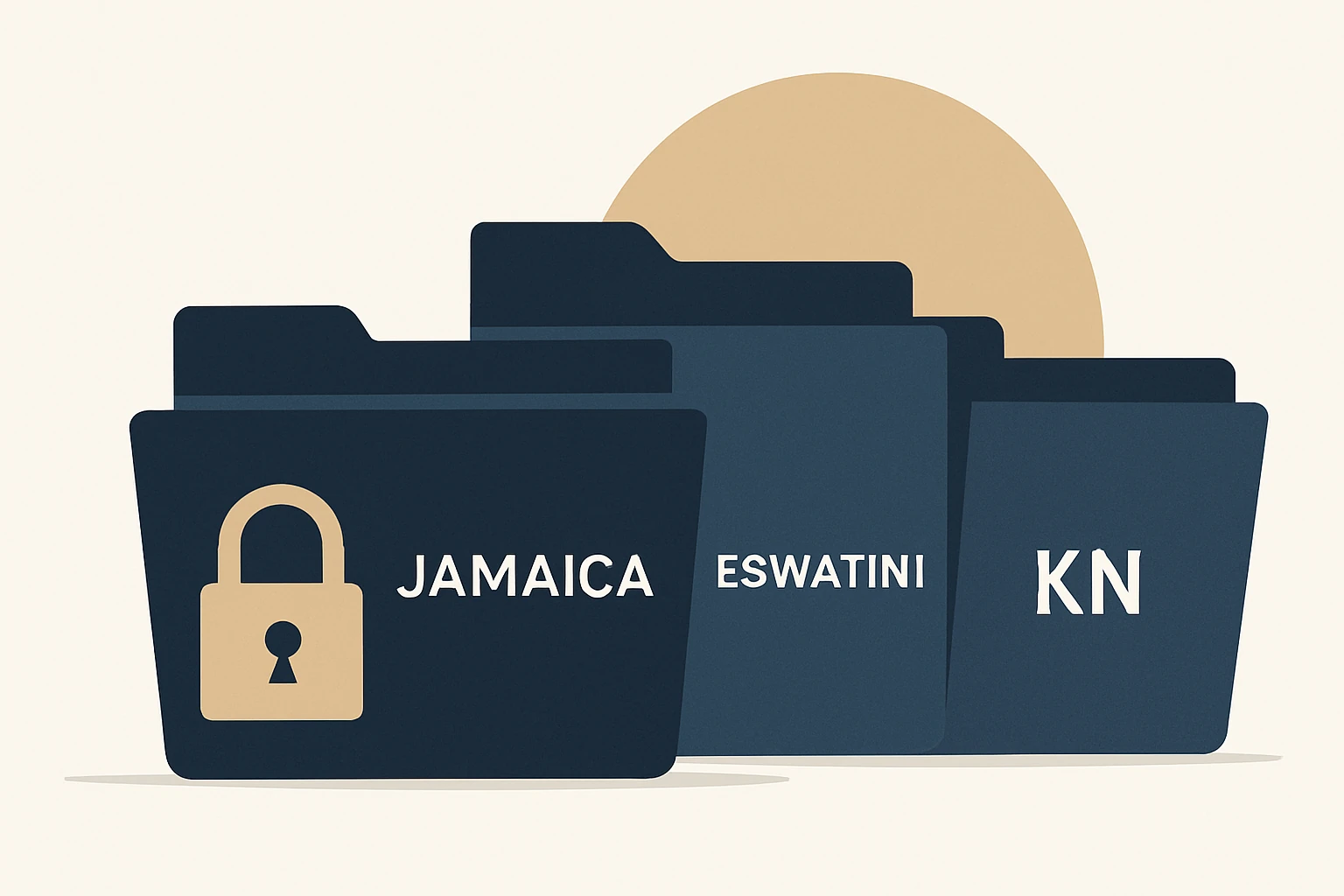
For global brands expanding into Jamaica, Eswatini, and Saint Kitts & Nevis, a one-size-fits-all domain strategy is rarely sufficient. A confidential, country-focused approach to acquiring premium domain names helps protect brand equity, improve localized search signals, and reduce the risk of misaligned or overvalued acquisitions. In small markets, where local registries and market dynamics can influence pricing and availability, a private portfolio strategy becomes a competitive advantage. This piece outlines a practical framework for building such portfolios, with a focus on Jamaica (JM), Eswatini (SZ), and Saint Kitts & Nevis (KN), and demonstrates how a dedicated brokered approach can align with broader brand protections and growth plans. Note: ccTLDs like .jm, .sz, and .kn carry distinct implications for local credibility and cross-border strategy, and jurisdictions vary in their registry rules.
In practice, confidential domain acquisition is not about secrecy for secrecy's sake, it’s about controlling information flow, reducing auction-style price spikes, and ensuring that a portfolio acquisition fits within a larger brand and regulatory framework. Industry perspectives emphasize confidentiality as a strategic asset when pursuing premium domain assets, because discreet, well-structured negotiations tend to yield better ownership terms and smoother transfers. This emphasis on privacy in a transactional context is echoed by experienced brokerages and advisory firms. (dn.org)
Why country-specific domain portfolios matter
Country-specific domain portfolios deliver advantages that generic, global-portfolio approaches often overlook. In markets like Jamaica, SZ, and KN, a local domain footprint can reinforce trust with local customers, partners, and regulators, while still enabling global brand consistency. The local presence signaled by a country-code TLD (ccTLD) can contribute to brand relevance in regional search results and improve consumer perception when paired with regional content and country-specific marketing. For SZ, the registry structure and regulatory environment underscore the importance of understanding local processes during acquisition and transfer. Context matters: SZ’s registry governance and policy environment are managed by the Eswatini Domain Name Information Centre (EDNIC) and related oversight bodies. (ednic.org.sz)
Beyond branding and trust, confidential portfolio construction helps manage price volatility and ownership risk. When buyers pursue premium domains in smaller markets, the supply is often constrained, and public approaches (auctions, public outreach) can drive up prices or expose strategies that other buyers could exploit. Reputable brokerages stress the value of private, well-structured negotiations and escrow arrangements to protect both buyer and seller. See expert discussions on confidentiality as a strategic asset in premium domain transactions. (westmore.com)
Market snapshots: Jamaica, Eswatini, Saint Kitts & Nevis
Jamaica (.jm)
Jamaica’s ccTLD, .jm, serves as a credible local anchor for Jamaica-facing brands and regional campaigns. While global brands often prioritize .com, a well-managed .jm presence can complement a broader portfolio, particularly when paired with localized content strategies and privacy-conscious acquisition approaches. Market data on ccTLDs indicates that .jm holds a meaningful share among Jamaica-based websites, reflecting its role in the domestic web ecosystem. W3Techs: Jamaica top-level domains shows how .jm is deployed in the local online landscape. Note: this signals the relevance of a Jamaica-focused domain asset within a larger brand strategy. (w3techs.com)
For readers exploring Jamaica-specific portfolio opportunities, our Jamaica-focused page provides more context on local market dynamics and available assets: Jamaica country page.
Eswatini (.sz)
Eswatini’s ccTLD is managed in a registry ecosystem overseen by the Eswatini Domain Name Information Centre (EDNIC) and aligned with ESCCOM policy. Understanding the SZ regulatory and operational environment is essential when sourcing premium assets, especially given the local governance structure and registration procedures that influence transfer timelines and ownership verification. EDNIC provides guidance on registration, registrar selection, and WHOIS/lookup considerations for SZ assets. (ednic.org.sz)
Organizations pursuing SZ domains should engage with trusted registrars and maintain privacy-conscious processes to mitigate information leakage during negotiations. For more on SZ governance, see EDNIC’s official materials. (ednic.org.sz)
Saint Kitts & Nevis (.kn)
The .kn ccTLD for Saint Kitts and Nevis is operated within a registry framework that has been documented and monitored by international regulatory bodies. IANA and other registry trackers outline the KN top-level domain’s status and governance, which informs due-diligence and transfer steps in confidential acquisitions. Understanding KN’s registry environment helps structure timelines, escrow, and verification steps to minimize risk during acquisition. (iana.org)
A practical framework for confidential acquisition across Jamaica, SZ and KN
Below is a concise, 6-step framework designed for private, country-focused premium-domain acquisitions that align with brand strategy and risk management. The framework emphasizes confidentiality, legal compliance, and operational readiness, and can be applied to JM, SZ, KN and similar markets.
-
Align strategic objectives by jurisdiction.
Clarify the role of each domain asset within the country portfolio and across the master brand architecture. Consider local SEO signals, content localization, and regulatory requirements that might affect later use, transfer, or licensing.
-
Build a private target list of assets.
Develop a curated list of premium domains that fit each jurisdiction’s language, cultural cues, and branding goals. Use private research methods to identify candidate domains and potential owners, minimizing public exposure. The client’s country-specific pages and domain lists can be a starting point for market scoping. For Jamaica, see the Jamaica country page, for broader asset discovery, use available country- and TLD-specific assets on our site.
-
Validate ownership and availability discreetly.
Before outreach, verify domain ownership and registry status through authoritative sources and privacy-preserving RDAP/WHOIS queries. An efficient, private verification process helps reduce the risk of tipping off competitors. The client’s RDAP & WHOIS Database can assist with rapid verification steps.
-
Initiate discreet outreach with non-disclosure protections.
Approach the owners with tailored proposals and enforce NDAs to protect price, terms, and identity. Leading brokers emphasize confidentiality as a value driver in premium-domain negotiations, and discreet outreach often yields better pricing and timing than public auctions. See expert discussions on confidential domain deals in industry literature. (westmore.com)
-
Structure the transfer with secure, trusted processes.
Use a trusted escrow, registry-locked transfers where available, and privacy-preserving registrant handling to minimize exposure during the transaction. A well-designed legal and technical framework protects both buyer and seller and supports a smooth post-acquisition handover.
-
Integrate and protect the portfolio long-term.
After acquisition, integrate the domains into a broader brand-protection and digital-asset strategy. Monitor renewals, verify WHOIS privacy settings, and align ownership with internal registrars and corporate governance policies. For organizations expanding into JM, SZ, and KN, ongoing portfolio management helps retain value and reduce risk over time.
Structured execution examples exist in industry playbooks, but a country-focused approach requires tailoring to local registry rules, market dynamics, and privacy considerations. The Jamaica page, SZ registry materials, and KN governance resources provide essential context for tailoring this framework to each jurisdiction.
Structured case considerations: risks, trade-offs, and pitfalls
When assembling confidential, country-specific portfolios, several trade-offs deserve explicit attention:
- Availability vs. privacy: In smaller markets, the most valuable domains may be held by active owners who prefer privacy. Balancing visibility with discretion requires a refined outreach strategy and timing.
- Price discovery: Public auctions may trigger aggressive pricing, whereas private negotiations, while slower, can deliver better terms when conducted through skilled brokers.
- Regulatory alignment: Transfers across ccTLDs may require registrar-specific procedures or local approvals, planning for timing and compliance reduces post-transaction friction.
- Long-term value vs. short-term gains: Premium domains can appreciate differently by jurisdiction. A portfolio approach should weigh brand protection and SEO value against upfront costs.
Limitations or common mistakes
- Underestimating local dynamics: Each ccTLD has its own governance, registration rules, and transfer workflows. Skipping due-diligence steps can cause delays and unexpected costs.
- Overreliance on public data: Public listings or widely publicized negotiations may inflate prices. A confidential framework minimizes exposure and can lead to more favorable terms.
- Misalignment with brand strategy: Acquiring a high-value domain without a plan for local-language content or regional marketing can limit ROI.
- Inadequate post-acquisition portfolio management: Domain ownership is not a one-off event. Ongoing renewal risk, security, and governance require a structured, long-term approach.
Conclusion
Building a private, country-focused domain portfolio in Jamaica, Eswatini, and Saint Kitts & Nevis requires more than a generic search for available domains. It demands a deliberate framework that respects local registry rules, preserves confidentiality, and aligns with the broader brand strategy. By combining market-context insights, careful ownership verification, and discreet negotiation practices, brands can secure premium assets that support local relevance while preserving global brand integrity. If you’re considering a confidential path for your jurisdictional portfolio, our Jamaica-focused resources and RDAP/Whois tools can help you map a practical, compliant plan. For direct access to Jamaica-specific market context, see the Jamaica page at Jamaica country page, and learn more about our secure domain-data services on RDAP & WHOIS Database or our Pricing page for a sense of engagement options.
Key sources and industry perspectives on confidential domain acquisition and ccTLD governance include EDNIC (SZ registry), IANA KN registry, Wikipedia: .jm, and expert discussions on confidentiality in premium-domain transactions.