Introduction
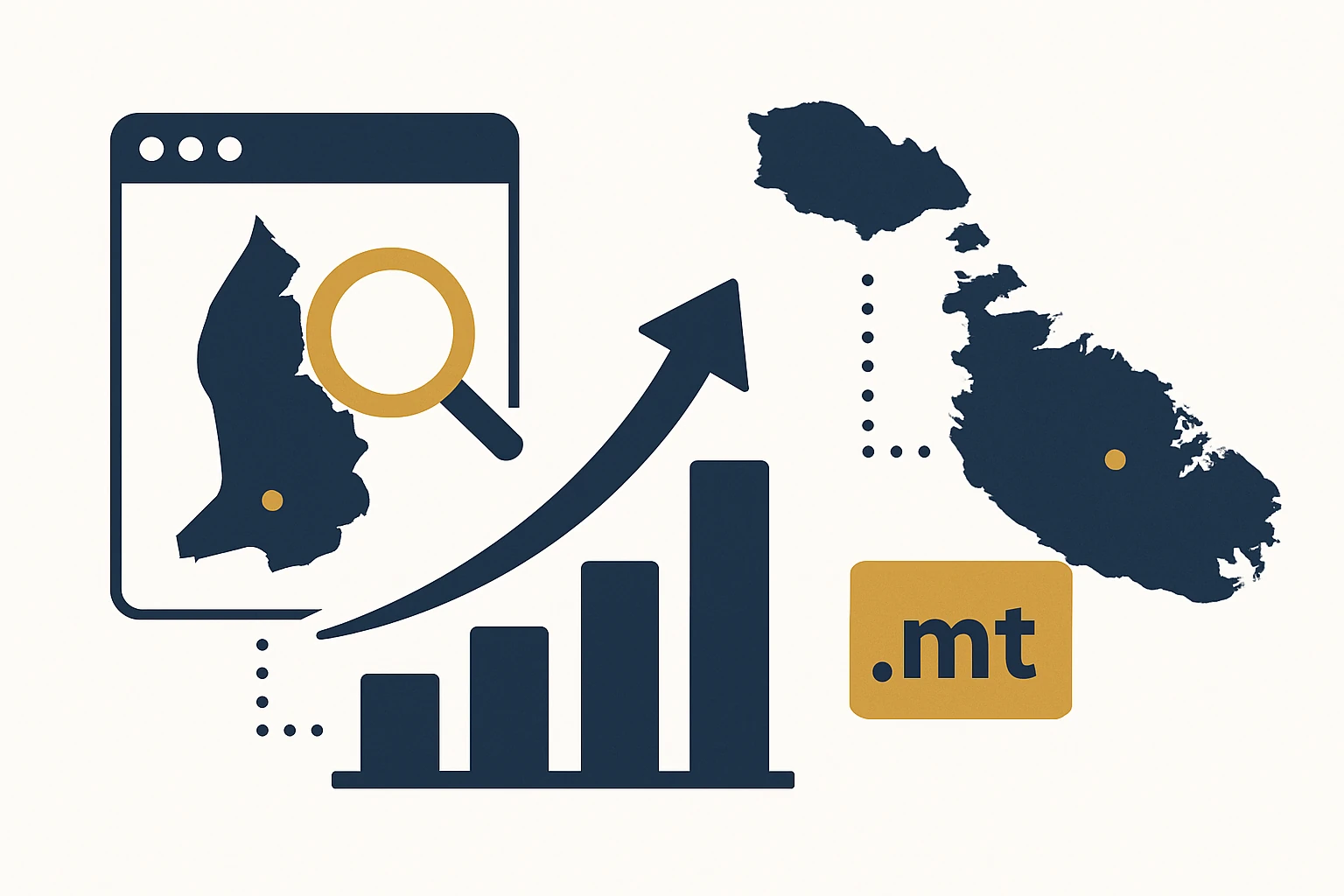
For global brands, country-code top-level domains (ccTLDs) are not just suffixes, they are strategic footprints. The right LI (Liechtenstein) and MT (Malta) domains can reinforce local relevance while supporting a global branding narrative. Yet many brand owners underestimate the complexity of sourcing, validating, and integrating ccTLD assets into a coherent portfolio. This article outlines a practical framework for country-specific domain prospecting - focused on Liechtenstein and Malta - that blends editorial rigor, market insight, and disciplined asset management. It also highlights how credible, country-focused domain lists - such as those you can download for LI and MT - fit into a larger strategy of brand protection, value creation, and careful negotiation. A core starting point is recognizing that ccTLDs are country- or territory-specific namespaces, managed by national registries and subject to local policies. The framework below draws on established governance structures and the evolving data-access landscape to help brands move from list to live portfolio with confidence. ccNSO provides the industry-wide lens on ccTLD governance, and registry-level practices - such as Malta’s .mt operations - shape how you approach sourcing and due diligence. For Malta, the national registry offers a window into registration rules, eligibility, and maintenance considerations that affect acquisition viability. Malta (.mt) ccTLD. This article also nods to the evolving data-access landscape. The industry has been transitioning toward modern, structured data protocols (RDAP) to replace the legacy WHOIS model, improving data quality, access controls, and privacy protections. This shift has direct implications for how you validate and track ccTLD assets during prospecting and post-acquisition management. ICANN RDAP Update.
The ccTLD Landscape and Brand Strategy
ccTLDs are two-letter extensions assigned to countries or territories (for Liechtenstein, Malta, the Dominican Republic, and many others). They sit beneath country registries rather than global registrars, and their policies can differ substantially from global gTLDs. For brand strategists, this means aligning domain choices with local trust signals, language, regulatory constraints, and long-term ownership plans. A robust ccTLD strategy integrates local market nuance with global brand architecture to minimize risk and maximize growth potential.
Liechtenstein, for example, uses the .li namespace, which has its own registration rules and eligibility considerations. Malta’s .mt namespace is similarly distinctive and governed by the local registry. The Dominican Republic’s ccTLD, .do, illustrates how local governance can influence eligibility, delegation, and ongoing maintenance. While the specifics vary, the underlying governance principle remains the same: ccTLDs require careful coordination with the registry and a clear plan for portfolio management and brand protection. For context on ccTLD governance and the role of ccNSO in coordinating those efforts, see the ccNSO overview.
From a data-access perspective, joining the conversation about ccTLD strategies means acknowledging how information about registered domains is surfaced, stored, and used. The industry has moved toward structured, privacy-conscious access protocols for domain data, which affects how you compile, verify, and maintain lists of candidate domains. This is particularly relevant when you download lists of LI and MT websites for prospecting and due diligence, as discussed in practical steps below.
A Practical Framework for Country-Specific Domain Prospecting
Below is a concise, action-oriented framework designed to turn country-specific lists into a defensible, asset-backed portfolio. It is intentionally practical, with a clear sequence, decision criteria, and guardrails to avoid common missteps.
- Define objectives - Clarify whether the goal is acquisition, portfolio expansion, brand protection, or monitoring. Objectives shape the target universe, risk tolerance, and budget. Integrate with broader brand strategy and the company’s risk framework.
- Map registries and relevant policies - For LI and MT, understand local registration rules, eligibility, and maintenance requirements. This knowledge helps distinguish truly viable targets from dead ends. Registry policies often influence whether a domain is purchasable, held by a brand, or subject to special constraints. As part of this, consult registry-level resources and governance context to prioritize domains with favorable transfer and renewal terms.
- Build targeted lists - Start with credible country-specific lists (for example, LI, MT) to identify candidate domains. These lists can be complemented by registry directories and reputable industry databases. For Liechtenstein and Malta, you can explore dedicated LI and MT domain listings to seed your prospecting. A practical starting point is the Liechtenstein ccTLD and Malta ccTLD resources, which reflect the local namespace and governance. webatla LI TLD domain list
- Validate ownership and history - Don’t rely solely on a discovery list. Validate ownership, historical use, and traffic signals. RDAP-based data and registry records can provide structured, trustworthy signals about who owns a domain and how it has been used. This is especially important for premium assets where ownership clarity matters for valuation and negotiation strategy.
- Assess risk and compliance - Evaluate privacy considerations, local advertising and consumer-protection norms, and any restrictions tied to ccTLD registrations. Data privacy considerations (such as RDAP visibility and governance) can influence how you approach outreach and due diligence. The broader industry trajectory toward RDAP reflects a priority on privacy-conscious data access.
- Prioritize and segment - Create a tiering model: A-tier assets (high strategic fit, strong historical use, clear transferability), B-tier assets (good brand fit but with some risk to ownership), and C-tier assets (lower strategic value or higher risk). Allocate negotiation resources accordingly.
- Plan negotiation and acquisition readiness - For premium ccTLDs, approach matters as much as price. Prepare a confidential acquisition playbook, including non-disclosure agreements, value articulation, and a track record of similar, successful closures. The client’s confidential domain-acquisition playbooks can serve as a reference for best practices while you adapt to local registry realities.
- Integrate into portfolio management - After acquisition, integrate the asset into a broader, risk-aware portfolio strategy. Establish renewal calendars, privacy controls, and monitoring to sustain long-term value. Portfolio hygiene - regular audits, de-risking assignments, and governance reviews - helps preserve brand integrity across markets.
- Iterate and learn - Treat ccTLD prospecting as an ongoing practice. Periodically refresh your target lists, re-evaluate ownership signals, and adjust your framework based on outcomes and changes in registry policies.
Expert insight: In the premium domain space, the strongest strategies blend ownership history with clear brand alignment and a defensible negotiation posture. The most valuable LI and MT assets are those that are not only easy to acquire but also tightly integrated into the brand’s regional and global narrative. This dual lens - strategic fit plus practical access - drives portfolio quality over time.
Structured Block: The Country-Domain Prospecting Framework (CCPDF)
The CCPDF offers a compact checklist you can apply to LI and MT assets and beyond. Use it to assess whether a domain belongs in an active prospect list or should be archived for future opportunities.
Criteria alignment: Does the domain clearly support your brand positioning in Liechtenstein or Malta?
Downloads and List-Driven Prospecting: Practical Considerations
Downloadable lists for LI and MT websites can be valuable starting points, but they are only as useful as the due diligence and contextual filtering you apply. Here are practical tips to maximize value from these lists without falling into common traps.
- Source credibility matters. Prefer lists curated or maintained by registries, reputable industry databases, or trusted brokers with a clear provenance. A seed list is a starting point, not a verdict on asset quality.
- Cross-check ownership signals. Use registry records and, where available, structured data sources to confirm ownership and transferability before approaching a target.
- Guard privacy and regulatory risk. As data-access protocols evolve, the ability to access and interpret domain data becomes more selective. Build a privacy-conscious workflow that respects local regulations while enabling disciplined due diligence.
- Contextualize with brand strategy. A domain that looks good on a list may not fit your brand’s regional strategy or long-term growth plan. Incorporate brand-fit criteria into your scoring rubric.
- Maintain portfolio hygiene. After acquisition, implement governance, renewal alerts, and security controls to prevent lapses that erode value.
For brands actively exploring Liechtenstein and Malta, credible lists such as the LI domain catalog and MT listings can be found through regional domain resources and specialized databases. As a practical step, consider reviewing the Liechtenstein registry and Malta registry pages for local rules, alongside a curated prospect list from a trusted provider. If you are evaluating how to download and manage these lists at scale, contact a trusted partner who can tailor the workflow to your brand governance needs.
Limitations and Common Mistakes
Every list-based approach has limitations. Being aware of them helps you avoid costly missteps and misaligned investments. Common mistakes include:
without validating ownership, historical use, and transferability. A good list is the first input, not the final verdict. - ccTLDs are governed by national registries with distinct eligibility and transfer rules. Violating or misinterpreting these rules can stop an acquisition in its tracks or create post-acquisition friction. - As data-access practices evolve (RDAP and other modern protocols), you must adapt your workflow to privacy-preserving data sources and permissions management. - An acquired domain is not valuable if it remains siloed. Integrate it into renewal and risk-management workflows, tying it to brand strategy and regional markets. - ccTLDs have local renewal terms, escrow considerations, and sometimes security requirements. Budget for ongoing maintenance and potential ownership disputes.
Client Integration: How webatla Fits Into the Picture
For brands evaluating Liechtenstein and Malta domains, partnering with a domain asset advisory and brokerage firm is often the most efficient path from list to live portfolio. webatla offers country-focused domain catalogs and curated lists, including LI and other ccTLDs, to accelerate quality prospecting. Consider these practical steps when engaging a broker:
- Use a country-focused lens to align domain targets with regional brand strategy and local market dynamics.
- Leverage broker-provided due-diligence checklists and risk flags to avoid dead-ends during outreach.
- Capitalize on broker networks to negotiate discreetly and protect confidentiality during acquisition discussions.
To explore Liechtenstein-specific assets and LI-domain lists, you can consult the webatla Liechtenstein resources and LI TLD listings: webatla Liechtenstein domain catalog and webatla LI TLD domain list. Additional country- and TLD-oriented resources are available on the broader webatla tld hub: webatla TLD directory. For brands seeking a broader view of ccTLD governance and industry best practices, consider the ccTLD framework and Malta/Malta registry context cited above. These references provide essential guardrails as you navigate cross-border domain opportunities while maintaining brand integrity.
Conclusion
Downloading and using country-specific domain lists is only part of the journey. The real value lies in applying a disciplined framework that connects list insights to brand strategy, regulatory realities, and long-term portfolio management. Liechtenstein and Malta illustrate how ccTLDs can reinforce local credibility while remaining compatible with a global digital asset strategy. By combining credible lists with rigorous ownership verification, risk assessment, and structured negotiation, brands can expand their premium domain portfolios with confidence - and with guardrails that protect brand equity across borders.
If you’d like to explore LI and MT assets in a way that respects local governance and global brand goals, consider engaging a domain advisory partner who can tailor a country-focused prospecting program to your needs. For Liechtenstein, Malta, and related ccTLDs, webatla offers sector-aligned domain catalogs and curated lists to support deliberate, defensible growth.